THE ADVENTURE COLLECTIVE® · Independent discovery and booking for outdoor travel

Ride through Orkhon Valley and the 8‑Lake area on an eight‑day horse trek that mixes volcanic highlands, forested monastery slopes, sand dunes, and nights with ger families. Expect long saddle days, home‑cooked meals, and an intimate look at Central Mongolia’s history and conservation efforts.
Ride through Orkhon Valley and the 8‑Lake area on an eight‑day horse trek that mixes volcanic highlands, forested monastery slopes, sand dunes, and nights with ger families. Expect long saddle days, home‑cooked meals, and an intimate look at Central Mongolia’s history and conservation efforts.
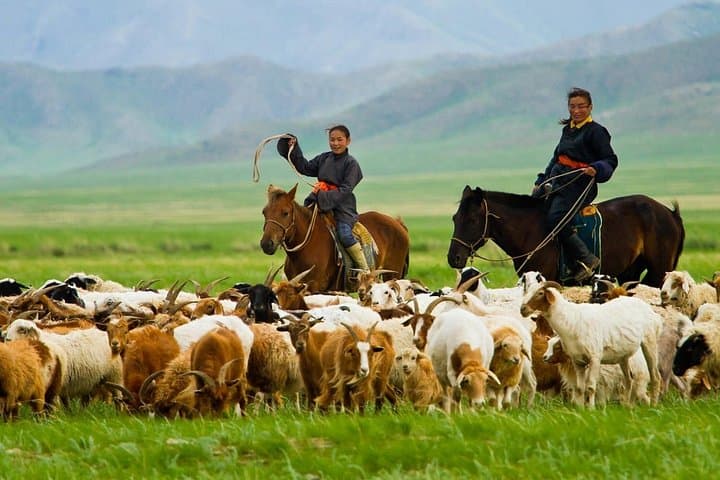
The horses know the trails here better than most people; they pick their way across rippled meadows and the low, scabbed ridges left by long-ago lava. On the third morning of an eight‑day ride through Central Mongolia, the group spills out of a fold of grass onto a bowl of lakes—eight of them, quiet as old coins—each rimed by sedge and fed by streams that dare you to taste how cold they are.
Verified experiences and guided adventures in the surrounding area.
Operated by Danista Nomads Tour · Orkhon Valley, Arkhangai Province
The horses know the trails here better than most people; they pick their way across rippled meadows and the low, scabbed ridges left by long-ago lava. On the third morning of an eight‑day ride through Central Mongolia, the group spills out of a fold of grass onto a bowl of lakes—eight of them, quiet as old coins—each rimed by sedge and fed by streams that dare you to taste how cold they are.
This trip threads together two worlds: the living past of the Orkhon Valley and the geological bones of the Khangai range. Riders move from semi‑desert sand ridges at Elsen Tasarkhai to the forested slopes that hold Tövkhön Monastery, a 17th‑century retreat founded by Zanabazar, Mongolia’s first spiritual leader and a pivotal figure in Mongolian art and Buddhism. Karakorum—once the capital of the 13th‑century Mongol Empire—sits within easy reach; its ruins and the later Erdene Zuu Monastery underline how nomadic power crystallized into permanent religious sites.
Geologically the route reads like a short field guide: wind-polished dunes, river-cut terraces along the Orkhon, and volcanic remnants in the surrounding highlands. The lakes themselves are shallow basins carved by ancient flows and seasonal melt; in summer they mirror the sky, in autumn they rattle with migrating waterfowl.
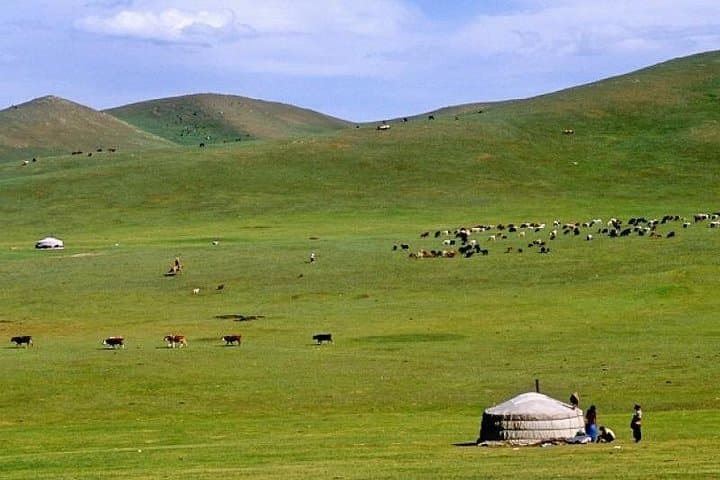
Culturally, the trip unfolds in ger families and small settlements where hospitality is practical and frequent—tea is offered before questions, and a shared bowl of buuz comes at night after a long day in the saddle. Hustai National Park punctuates the early days; conservation here saved the Przewalski’s (takhi) horse from extinction, and you may see free‑ranging herds pause to regard you.
Practical guidance: expect long days in the saddle—up to six hours of riding on trek days—on stocky Mongolian horses with simple saddles. Riders should be comfortable mounting, dismounting, and holding a steady seat at walk and trot; basic riding experience reduces fatigue and risk. Layers are essential: high elevation mornings are sharp, midday can be warm, and evenings drop quickly.
Bring a small daypack, a hydration system (2–3 liters), sun protection, and rainproof outerwear. Footwear should be sturdy—riding boots or ankle‑support hiking boots with a slim sole to sit in stirrups. The operator handles camp logistics: gers and tented nights alternate, meals are mostly home‑cooked Mongolian fare, and luggage is packed onto pack horses.
Timing: late June–September offers the warmest weather and fullest lakes; spring carries mud and storms, and winter is for experts only. Respect private grazing lands, accept slow travel as part of the rhythm, and you’ll leave with a clear sense of why a horse still matters here: the landscape opens to riders, and it keeps a few places private to those who arrive on hoof.
Basic riding experience is recommended—comfortable at walk and trot and able to mount/dismount independently. Guides can assist less experienced riders, but confidence in the saddle improves enjoyment.
Nights alternate between guest gers with local families, tent camping during the horse trek, and one tourist camp with proper toilets and showers near the end.
Even in summer nights can drop to near freezing at higher elevations; bring insulating layers and a warm sleeping bag if you’re tent camping.
Yes—this private‑tour format accepts solo travelers, but confirm single supplement and pickup details when booking.
Most meals are included—breakfast, lunch and dinner are provided on designated days, with home‑cooked Mongolian fare and packed lunches on trek days.
The itinerary centers on horse travel; non‑riders should check with the operator about alternative transport options for specific days.
Danista Nomads Tour operates guided outdoor trips and adventures with an emphasis on safety, stewardship, and memorable experiences.


The horses know the trails here better than most people; they pick their way across rippled meadows and the low, scabbed ridges left by long-ago lava. On the third morning of an eight‑day ride through Central Mongolia, the group spills out of a fold of grass onto a bowl of lakes—eight of them, quiet as old coins—each rimed by sedge and fed by streams that dare you to taste how cold they are.
The horses know the trails here better than most people; they pick their way across rippled meadows and the low, scabbed ridges left by long-ago lava. On the third morning of an eight‑day ride through Central Mongolia, the group spills out of a fold of grass onto a bowl of lakes—eight of them, quiet as old coins—each rimed by sedge and fed by streams that dare you to taste how cold they are.
This trip threads together two worlds: the living past of the Orkhon Valley and the geological bones of the Khangai range. Riders move from semi‑desert sand ridges at Elsen Tasarkhai to the forested slopes that hold Tövkhön Monastery, a 17th‑century retreat founded by Zanabazar, Mongolia’s first spiritual leader and a pivotal figure in Mongolian art and Buddhism. Karakorum—once the capital of the 13th‑century Mongol Empire—sits within easy reach; its ruins and the later Erdene Zuu Monastery underline how nomadic power crystallized into permanent religious sites.
Geologically the route reads like a short field guide: wind-polished dunes, river-cut terraces along the Orkhon, and volcanic remnants in the surrounding highlands. The lakes themselves are shallow basins carved by ancient flows and seasonal melt; in summer they mirror the sky, in autumn they rattle with migrating waterfowl.
Culturally, the trip unfolds in ger families and small settlements where hospitality is practical and frequent—tea is offered before questions, and a shared bowl of buuz comes at night after a long day in the saddle. Hustai National Park punctuates the early days; conservation here saved the Przewalski’s (takhi) horse from extinction, and you may see free‑ranging herds pause to regard you.
Practical guidance: expect long days in the saddle—up to six hours of riding on trek days—on stocky Mongolian horses with simple saddles. Riders should be comfortable mounting, dismounting, and holding a steady seat at walk and trot; basic riding experience reduces fatigue and risk. Layers are essential: high elevation mornings are sharp, midday can be warm, and evenings drop quickly.
Bring a small daypack, a hydration system (2–3 liters), sun protection, and rainproof outerwear. Footwear should be sturdy—riding boots or ankle‑support hiking boots with a slim sole to sit in stirrups. The operator handles camp logistics: gers and tented nights alternate, meals are mostly home‑cooked Mongolian fare, and luggage is packed onto pack horses.
Timing: late June–September offers the warmest weather and fullest lakes; spring carries mud and storms, and winter is for experts only. Respect private grazing lands, accept slow travel as part of the rhythm, and you’ll leave with a clear sense of why a horse still matters here: the landscape opens to riders, and it keeps a few places private to those who arrive on hoof.