THE ADVENTURE COLLECTIVE® · Independent discovery and booking for outdoor travel

Cover Iceland’s highlights in eight days: glaciers and black sand beaches by day, and two nights dedicated to aurora searches. This guided circle tour balances comfort, local insight, and flexible routing for winter conditions.
Cover Iceland’s highlights in eight days: glaciers and black sand beaches by day, and two nights dedicated to aurora searches. This guided circle tour balances comfort, local insight, and flexible routing for winter conditions.
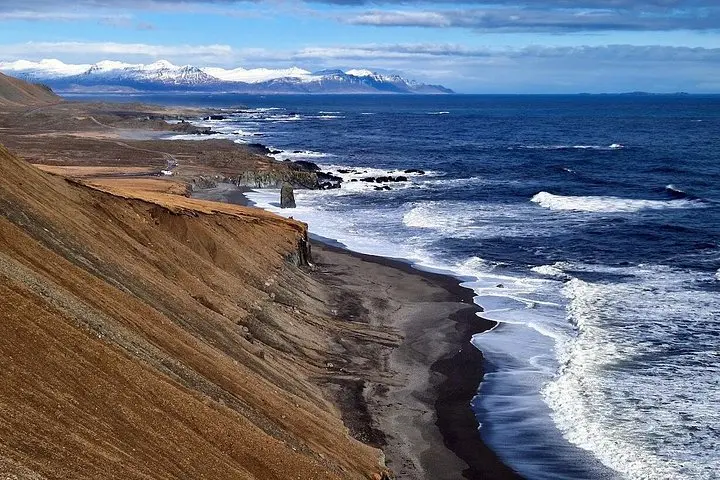
The bus eases out of Reykjavík before sunrise and the low winter light throws the landscape into high relief — volcanic ridges cut like charcoal across snow, and fjords hold a cold, waiting mirror. Over the next eight days the road becomes a living map: steam rising from geothermal fields, glaciers grinding toward the sea, and black-sand beaches where the Atlantic hammers basalt columns into patterns. This is not a passive sightseeing loop; it’s a paced, guided survey of Iceland’s elemental extremes with two planned evenings to chase the aurora.
Verified experiences and guided adventures in the surrounding area.
Operated by GJ Travel · Reykjavík, Capital Region
The bus eases out of Reykjavík before sunrise and the low winter light throws the landscape into high relief — volcanic ridges cut like charcoal across snow, and fjords hold a cold, waiting mirror. Over the next eight days the road becomes a living map: steam rising from geothermal fields, glaciers grinding toward the sea, and black-sand beaches where the Atlantic hammers basalt columns into patterns. This is not a passive sightseeing loop; it’s a paced, guided survey of Iceland’s elemental extremes with two planned evenings to chase the aurora.
Iceland’s story reads in rock and ice. The Golden Circle traces the rift valley at Þingvellir where the North American and Eurasian plates creep apart, while the south coast’s cliffs and falls owe their shapes to repeated glacial advances during the last Ice Age. East fjord villages preserve a fishing culture shaped by seasonal storms and long winters; turf houses at Glaumbær recall a time when habitation meant insulating against the wind with earth itself.
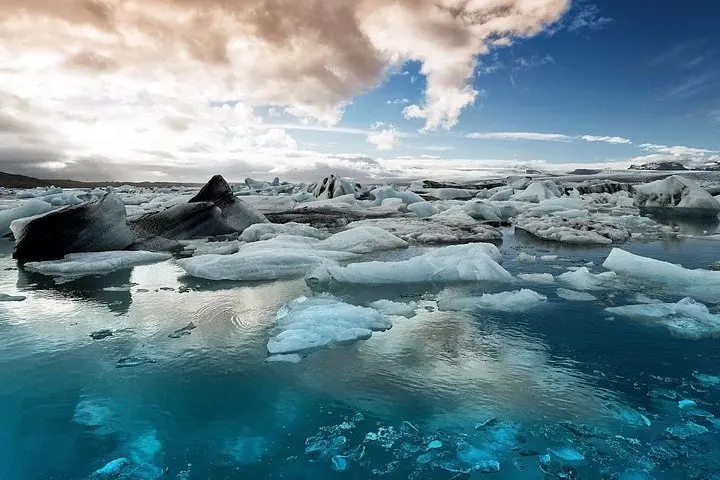
Geology runs the itinerary: basalt lava fields like Eldhraun, surreal sulfur-coloured hot springs at Námaskarð, and the drowned majesty of Jökulsárlón lagoon where icebergs inch toward the ocean. Guides fold in local lore — how Skógafoss once claimed a chest of treasure, or how local farmers bred the compact Icelandic horse to survive volcanic ash and coastal gales.
Practically, this tour is built for travelers who want maximum scope with minimal navigation. Expect regular hotel stays, bus transfers, and daily short walks — crater scrambles, boardwalks around geothermal attractions, and beachside strolls at Reynisfjara. Winter driving dictates the rhythm: long daylight windows in the south give way to long nights in the north, and guides alter routes based on road conditions and aurora forecasts.
Packing and pacing matter. Bring waterproof layers, sturdy boots with good grip, and a warm insulated jacket; daylight temperatures often hover around freezing, and wind amplifies cold. For photographers, a tripod and wide-aperture lens are essential for aurora and low-light landscapes. Hydration and steady pacing on short hikes will keep energy up; most stops are brief but varied in elevation and footing.
If the Northern Lights are the draw, remember: the aurora is weather-dependent and never guaranteed — the trip’s two dedicated aurora nights increase your odds, but clear skies and low geomagnetic activity are required. What you do get, reliably, is an accelerated education in Icelandic environments: from volcanic craters and geothermal greenhouses to glacier lagoons and the raw south coast. For travelers who want to see Iceland in winter without the strain of self-driving, this guided circle delivers a concentrated, well-paced portrait of a country where landscape still claims the day.
The tour includes two dedicated aurora evenings to improve your chances, but sightings depend on clear skies and solar activity; no operator can guarantee an aurora sighting.
Daily activities are short walks and light hikes (typically under 2 hours) over uneven terrain; no technical mountaineering is required.
Breakfast is included every day; other meals are generally on your own with opportunities to try local cuisine at stops and town dinners.
Yes — breakfasts are buffet-style and the tour operator notes they will meet dietary needs when informed at booking.
Guides adjust the route for safety and may substitute attractions; flexibility is built into the itinerary for winter conditions.
Yes—travel insurance that covers winter road delays, medical care, and evacuation is strongly recommended given Arctic conditions.
GJ Travel operates guided outdoor trips and adventures with an emphasis on safety, stewardship, and memorable experiences.
The bus eases out of Reykjavík before sunrise and the low winter light throws the landscape into high relief — volcanic ridges cut like charcoal across snow, and fjords hold a cold, waiting mirror. Over the next eight days the road becomes a living map: steam rising from geothermal fields, glaciers grinding toward the sea, and black-sand beaches where the Atlantic hammers basalt columns into patterns. This is not a passive sightseeing loop; it’s a paced, guided survey of Iceland’s elemental extremes with two planned evenings to chase the aurora.
The bus eases out of Reykjavík before sunrise and the low winter light throws the landscape into high relief — volcanic ridges cut like charcoal across snow, and fjords hold a cold, waiting mirror. Over the next eight days the road becomes a living map: steam rising from geothermal fields, glaciers grinding toward the sea, and black-sand beaches where the Atlantic hammers basalt columns into patterns. This is not a passive sightseeing loop; it’s a paced, guided survey of Iceland’s elemental extremes with two planned evenings to chase the aurora.
Iceland’s story reads in rock and ice. The Golden Circle traces the rift valley at Þingvellir where the North American and Eurasian plates creep apart, while the south coast’s cliffs and falls owe their shapes to repeated glacial advances during the last Ice Age. East fjord villages preserve a fishing culture shaped by seasonal storms and long winters; turf houses at Glaumbær recall a time when habitation meant insulating against the wind with earth itself.
Geology runs the itinerary: basalt lava fields like Eldhraun, surreal sulfur-coloured hot springs at Námaskarð, and the drowned majesty of Jökulsárlón lagoon where icebergs inch toward the ocean. Guides fold in local lore — how Skógafoss once claimed a chest of treasure, or how local farmers bred the compact Icelandic horse to survive volcanic ash and coastal gales.
Practically, this tour is built for travelers who want maximum scope with minimal navigation. Expect regular hotel stays, bus transfers, and daily short walks — crater scrambles, boardwalks around geothermal attractions, and beachside strolls at Reynisfjara. Winter driving dictates the rhythm: long daylight windows in the south give way to long nights in the north, and guides alter routes based on road conditions and aurora forecasts.
Packing and pacing matter. Bring waterproof layers, sturdy boots with good grip, and a warm insulated jacket; daylight temperatures often hover around freezing, and wind amplifies cold. For photographers, a tripod and wide-aperture lens are essential for aurora and low-light landscapes. Hydration and steady pacing on short hikes will keep energy up; most stops are brief but varied in elevation and footing.
If the Northern Lights are the draw, remember: the aurora is weather-dependent and never guaranteed — the trip’s two dedicated aurora nights increase your odds, but clear skies and low geomagnetic activity are required. What you do get, reliably, is an accelerated education in Icelandic environments: from volcanic craters and geothermal greenhouses to glacier lagoons and the raw south coast. For travelers who want to see Iceland in winter without the strain of self-driving, this guided circle delivers a concentrated, well-paced portrait of a country where landscape still claims the day.