THE ADVENTURE COLLECTIVE® · Independent discovery and booking for outdoor travel

An eight-day coach tour that condenses Iceland’s geological highlights into one efficient loop — Golden Circle fissures, south-coast waterfalls, Jökulsárlón’s icefloes, Snæfellsnes vistas, a lava tunnel and whale-watching, capped by the Blue Lagoon and nightly aurora hunts. Expect long drives, short hikes, and constant geological theatre.
An eight-day coach tour that condenses Iceland’s geological highlights into one efficient loop — Golden Circle fissures, south-coast waterfalls, Jökulsárlón’s icefloes, Snæfellsnes vistas, a lava tunnel and whale-watching, capped by the Blue Lagoon and nightly aurora hunts. Expect long drives, short hikes, and constant geological theatre.
You step off the coach into a wind that feels like weather with an agenda — cold, clean, and opinionated. Black sand crunches underfoot, basalt columns rise like stacked books, and steam hisses from a ground that’s still finding its shape. Over the next eight days this tour moves like a well-programmed compass: Reykjavík as basecamp, the Golden Circle’s rifts and geysers, the southern waterfalls and black beaches, the slow drama of Jökulsárlón, Snæfellsnes’ coastal muscles, a lava tunnel and whale-watch, and a soak in the Blue Lagoon to close.
Verified experiences and guided adventures in the surrounding area.
Operated by ARAGO TRAVELS · Reykjavik, Capital Region
You step off the coach into a wind that feels like weather with an agenda — cold, clean, and opinionated. Black sand crunches underfoot, basalt columns rise like stacked books, and steam hisses from a ground that’s still finding its shape. Over the next eight days this tour moves like a well-programmed compass: Reykjavík as basecamp, the Golden Circle’s rifts and geysers, the southern waterfalls and black beaches, the slow drama of Jökulsárlón, Snæfellsnes’ coastal muscles, a lava tunnel and whale-watch, and a soak in the Blue Lagoon to close.
Iceland wears its geology plainly. Thingvellir sits on the Mid-Atlantic Ridge — a rift valley that once hosted the Alþingi in 930 AD — where the tectonic plates pull the earth apart a few centimeters each year. Gullfoss and Geysir expose geothermal power: water forced into the air, rivers daring you to come closer. On the south coast, Skógafoss and Seljalandsfoss offer short, steep approaches and viewpoints; Seljalandsfoss gives the rare pleasure of walking behind a curtain of water. Farther east, ice calves off Breiðamerkurjökull into Jökulsárlón, where bergy bits glitter on Diamond Beach like glass left by giants.
Culture here is pragmatic. Farming communities near Vík and Snæfellsnes have long adapted to wind and lava; fisheries remain a living economy. Guides on this itinerary blend natural science with local stories: how sagas map onto places, which coastal coves shelter seabirds, and how glaciers are retreating with a pace that has become part of daily conversation.
Practical guidance: expect long coach days — some transfers up to 4–6 hours between stops, punctuated by 30–90 minute walks and viewpoint stops. Trails are generally short and low-elevation; the Fimmvörðuháls route out of Skógafoss is steep and technical and not part of the basic itinerary. Road surfaces are mostly paved but occasional gravel and coastal spray are common. Dress in layers, prioritize waterproof outerwear, and bring footwear that grips wet rock and sand. Blue Lagoon and whale-watching require reservations; book them early in your schedule. Northern Lights outings are weather-dependent — maps and aurora forecasts guide local operators and sightings aren’t guaranteed, though guides will attempt re-booking if the skies don’t cooperate.
For those who want to maximize photos, bring a tripod and a wide-angle lens for aurora and glacier lagoon shots. Allow flexibility in your schedule; Iceland’s weather rewrites plans often, but it also creates the most memorable versions of them.
Aurora season runs roughly late September through April; clear, dark nights and low light pollution increase odds, but sightings are weather- and solar-activity dependent.
The itinerary includes a glacier cave visit with guides and safety equipment; follow guide instructions closely — conditions can change rapidly and some caves are seasonal.
Blue Lagoon admission is listed in the itinerary inclusions but booking time slots are required; confirm your scheduled entry on arrival documents.
Most stops involve short walks (10–60 minutes); there are a few steeper optional hikes like the Fimmvörðuháls route, which are not required for the standard tour.
Yes — hotel pickup and drop-off in Reykjavík area are included; pick-up begins approximately 30 minutes before departure time.
Operators often offer a free re-booking for aurora tours cancelled due to poor forecast or no sightings — check the provider’s policy and register interest for an alternative night.
ARAGO TRAVELS operates guided outdoor trips and adventures with an emphasis on safety, stewardship, and memorable experiences.
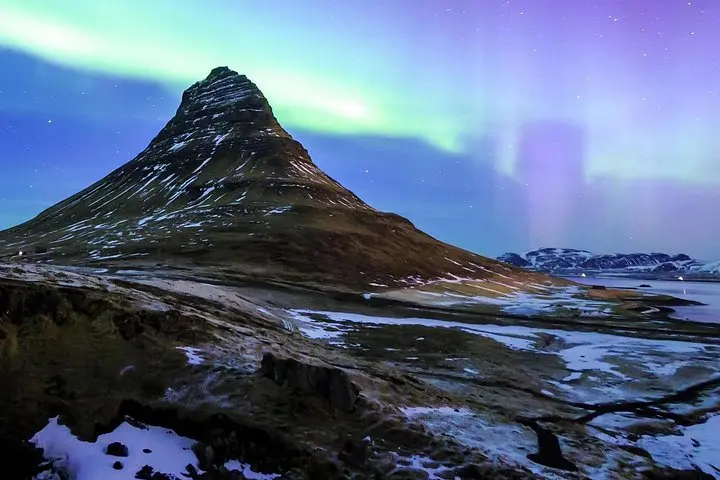
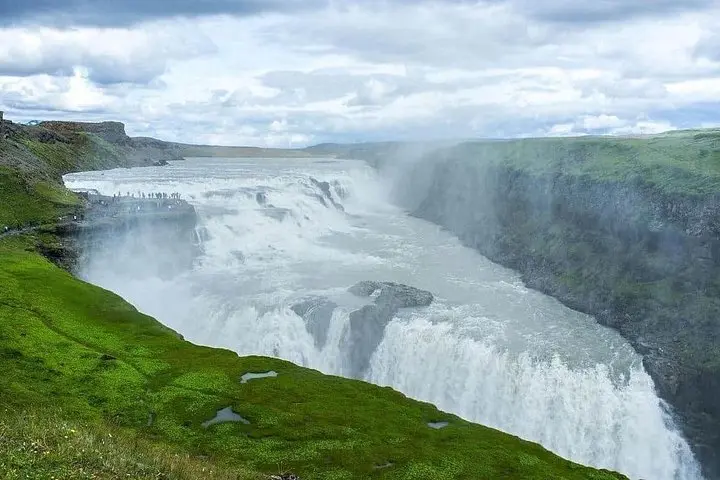
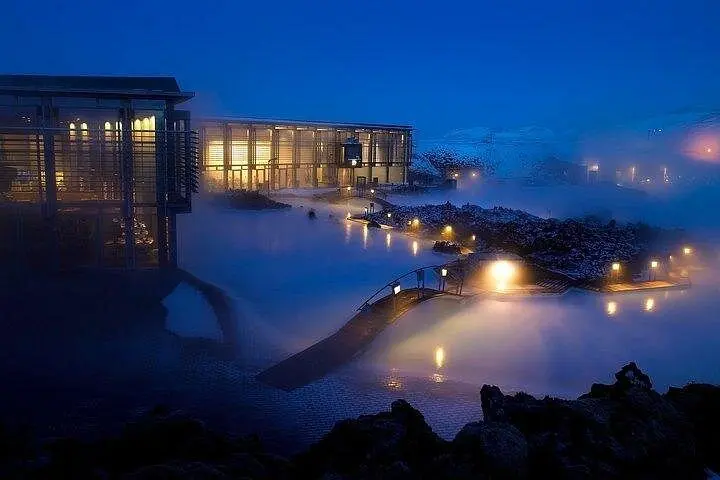
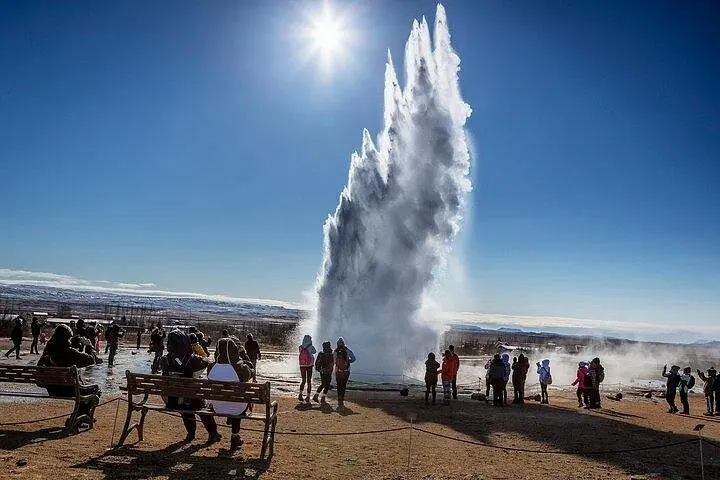
You step off the coach into a wind that feels like weather with an agenda — cold, clean, and opinionated. Black sand crunches underfoot, basalt columns rise like stacked books, and steam hisses from a ground that’s still finding its shape. Over the next eight days this tour moves like a well-programmed compass: Reykjavík as basecamp, the Golden Circle’s rifts and geysers, the southern waterfalls and black beaches, the slow drama of Jökulsárlón, Snæfellsnes’ coastal muscles, a lava tunnel and whale-watch, and a soak in the Blue Lagoon to close.
You step off the coach into a wind that feels like weather with an agenda — cold, clean, and opinionated. Black sand crunches underfoot, basalt columns rise like stacked books, and steam hisses from a ground that’s still finding its shape. Over the next eight days this tour moves like a well-programmed compass: Reykjavík as basecamp, the Golden Circle’s rifts and geysers, the southern waterfalls and black beaches, the slow drama of Jökulsárlón, Snæfellsnes’ coastal muscles, a lava tunnel and whale-watch, and a soak in the Blue Lagoon to close.
Iceland wears its geology plainly. Thingvellir sits on the Mid-Atlantic Ridge — a rift valley that once hosted the Alþingi in 930 AD — where the tectonic plates pull the earth apart a few centimeters each year. Gullfoss and Geysir expose geothermal power: water forced into the air, rivers daring you to come closer. On the south coast, Skógafoss and Seljalandsfoss offer short, steep approaches and viewpoints; Seljalandsfoss gives the rare pleasure of walking behind a curtain of water. Farther east, ice calves off Breiðamerkurjökull into Jökulsárlón, where bergy bits glitter on Diamond Beach like glass left by giants.
Culture here is pragmatic. Farming communities near Vík and Snæfellsnes have long adapted to wind and lava; fisheries remain a living economy. Guides on this itinerary blend natural science with local stories: how sagas map onto places, which coastal coves shelter seabirds, and how glaciers are retreating with a pace that has become part of daily conversation.
Practical guidance: expect long coach days — some transfers up to 4–6 hours between stops, punctuated by 30–90 minute walks and viewpoint stops. Trails are generally short and low-elevation; the Fimmvörðuháls route out of Skógafoss is steep and technical and not part of the basic itinerary. Road surfaces are mostly paved but occasional gravel and coastal spray are common. Dress in layers, prioritize waterproof outerwear, and bring footwear that grips wet rock and sand. Blue Lagoon and whale-watching require reservations; book them early in your schedule. Northern Lights outings are weather-dependent — maps and aurora forecasts guide local operators and sightings aren’t guaranteed, though guides will attempt re-booking if the skies don’t cooperate.
For those who want to maximize photos, bring a tripod and a wide-angle lens for aurora and glacier lagoon shots. Allow flexibility in your schedule; Iceland’s weather rewrites plans often, but it also creates the most memorable versions of them.