THE ADVENTURE COLLECTIVE® · Independent discovery and booking for outdoor travel

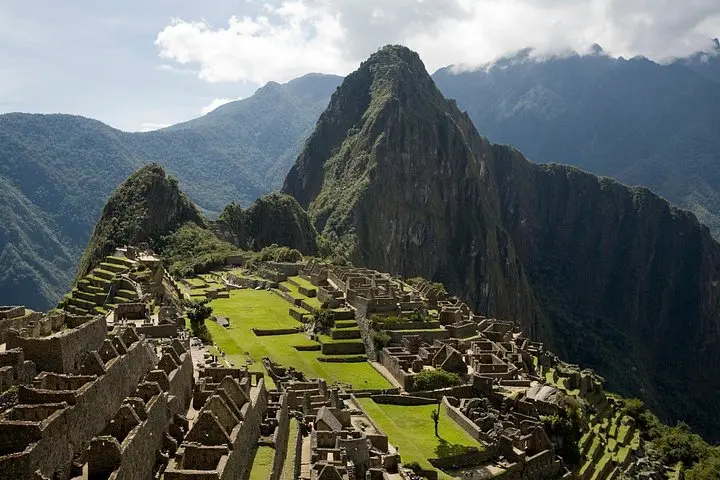
An eight-day circuit from Lima through Cusco and the Sacred Valley to Machu Picchu that combines high-altitude archaeology, train travel along the Urubamba, and cultural visits to markets and textile centers. Expect cobbled streets, steep Inca terraces, and a 400 m final climb up to the Lost City of the Incas.
An eight-day circuit from Lima through Cusco and the Sacred Valley to Machu Picchu that combines high-altitude archaeology, train travel along the Urubamba, and cultural visits to markets and textile centers. Expect cobbled streets, steep Inca terraces, and a 400 m final climb up to the Lost City of the Incas.
You step out over the Miraflores cliff and the Pacific breathes cool spray at your feet, then less than two days later the air thins as Cusco’s red-tiled roofs sit 3,400 m beneath you. This eight-day loop threads coastal Lima, high Andean Cusco, the patchwork terraces of the Sacred Valley and the river-carved approach to Machu Picchu.
Verified experiences and guided adventures in the surrounding area.
Operated by VIPAC Travel · Aguas Calientes / Machu Picchu, Cusco
You step out over the Miraflores cliff and the Pacific breathes cool spray at your feet, then less than two days later the air thins as Cusco’s red-tiled roofs sit 3,400 m beneath you. This eight-day loop threads coastal Lima, high Andean Cusco, the patchwork terraces of the Sacred Valley and the river-carved approach to Machu Picchu.
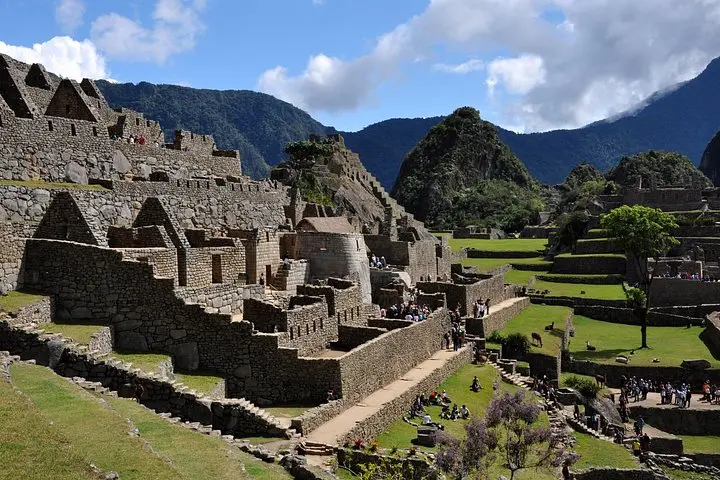
The route follows geology written in stone: uplifted Andean sandstone and andesite blockwork shaped by millennia of tectonic pressure, then hand-cut by Inca masons into Sacsayhuamán’s colossal joints and Ollantaytambo’s agricultural platforms. Culture arrives on top of that geology—Quechua-speaking communities managing microclimates in Moray, salt-harvest pans at Maras, and textile traditions demonstrated in Awanacancha and local markets.
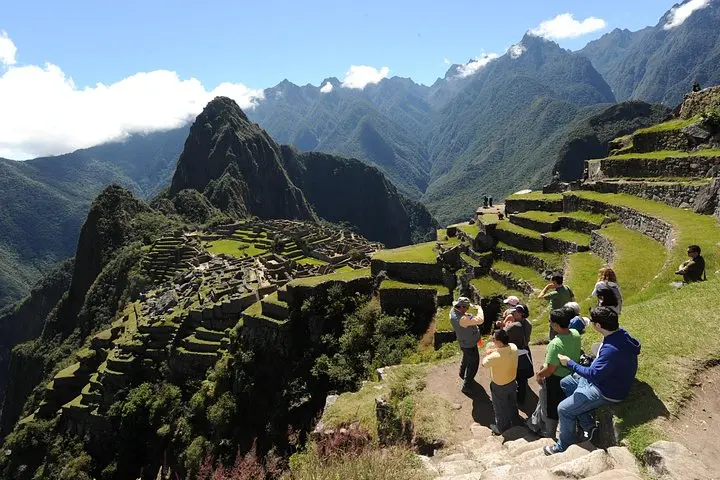
Expect varied terrain: cobbled colonial streets, steep Inca stairways, high-altitude viewpoints (Sacsayhuamán ~3,700 m) and a river valley descent to Aguas Calientes (~2,040 m). The final push to Machu Picchu gains roughly 350–450 m via a winding 8–10 km road; the train ride from Ollantaytambo is 1.5–2 hours along the Urubamba gorge.
Practical edge: acclimatize in Cusco for 24–48 hours, carry layered clothing and sun protection, bring an altitude plan (acetazolamide or pacing), and use sturdy shoes for uneven stone. Passport details and timed-entry tickets are required for Machu Picchu—have them ready. This itinerary balances cultural immersion with manageable hiking and dramatic Andean landscapes—pack smart, move slowly, and let the mountains demand your attention.
Yes—Cusco sits around 3,400 m. Allow 24–48 hours to acclimatize, hydrate, eat lightly, and consider discussing acetazolamide with your doctor if you have a history of altitude issues.
This itinerary includes train transfers and entrance fees; you must provide full passport details at booking for ticket issuance and park registration.
Expect 2–4 hours of guided walking across terraces, steep stone steps and uneven paths; optional additional hikes (Huayna Picchu or Machu Picchu Mountain) require separate permits and more fitness.
April–October are drier with more stable views; March can be wet but offers lush scenery and fewer tourists—book peak-season services in advance.
VIPAC Travel operates guided outdoor trips and adventures with an emphasis on safety, stewardship, and memorable experiences.
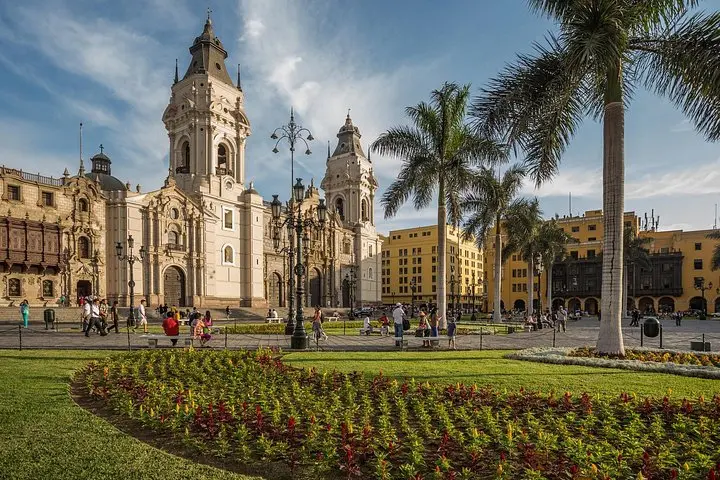
You step out over the Miraflores cliff and the Pacific breathes cool spray at your feet, then less than two days later the air thins as Cusco’s red-tiled roofs sit 3,400 m beneath you. This eight-day loop threads coastal Lima, high Andean Cusco, the patchwork terraces of the Sacred Valley and the river-carved approach to Machu Picchu.
You step out over the Miraflores cliff and the Pacific breathes cool spray at your feet, then less than two days later the air thins as Cusco’s red-tiled roofs sit 3,400 m beneath you. This eight-day loop threads coastal Lima, high Andean Cusco, the patchwork terraces of the Sacred Valley and the river-carved approach to Machu Picchu.
The route follows geology written in stone: uplifted Andean sandstone and andesite blockwork shaped by millennia of tectonic pressure, then hand-cut by Inca masons into Sacsayhuamán’s colossal joints and Ollantaytambo’s agricultural platforms. Culture arrives on top of that geology—Quechua-speaking communities managing microclimates in Moray, salt-harvest pans at Maras, and textile traditions demonstrated in Awanacancha and local markets.
Expect varied terrain: cobbled colonial streets, steep Inca stairways, high-altitude viewpoints (Sacsayhuamán ~3,700 m) and a river valley descent to Aguas Calientes (~2,040 m). The final push to Machu Picchu gains roughly 350–450 m via a winding 8–10 km road; the train ride from Ollantaytambo is 1.5–2 hours along the Urubamba gorge.
Practical edge: acclimatize in Cusco for 24–48 hours, carry layered clothing and sun protection, bring an altitude plan (acetazolamide or pacing), and use sturdy shoes for uneven stone. Passport details and timed-entry tickets are required for Machu Picchu—have them ready. This itinerary balances cultural immersion with manageable hiking and dramatic Andean landscapes—pack smart, move slowly, and let the mountains demand your attention.