THE ADVENTURE COLLECTIVE® · Independent discovery and booking for outdoor travel

Covering Istanbul’s imperial heart, Cappadocia’s otherworldly valleys, the marble streets of Ephesus and the thermal terraces of Pamukkale, this eight-day small-group tour compresses Turkey’s highlights into a practical, well-paced itinerary. Perfect for travelers short on time who still want depth and local context.
Covering Istanbul’s imperial heart, Cappadocia’s otherworldly valleys, the marble streets of Ephesus and the thermal terraces of Pamukkale, this eight-day small-group tour compresses Turkey’s highlights into a practical, well-paced itinerary. Perfect for travelers short on time who still want depth and local context.
The guide steps out into a dawn that smells faintly of sea salt and fresh bread. Istanbul’s minarets puncture the skyline as the Bosphorus pulls ships like a slow, confident current between two continents. Over eight days a small group moves through that current — from Ottoman courtyards and subterranean cisterns to the lunar valleys of Cappadocia, the marble streets of Ephesus, and the chalk-white terraces of Pamukkale — a sequence of landscapes that keep changing their accent but never their ability to surprise.
Verified experiences and guided adventures in the surrounding area.
Operated by Ephesus Shuttle Private & Small Group Tours · Istanbul, Istanbul Province
The guide steps out into a dawn that smells faintly of sea salt and fresh bread. Istanbul’s minarets puncture the skyline as the Bosphorus pulls ships like a slow, confident current between two continents. Over eight days a small group moves through that current — from Ottoman courtyards and subterranean cisterns to the lunar valleys of Cappadocia, the marble streets of Ephesus, and the chalk-white terraces of Pamukkale — a sequence of landscapes that keep changing their accent but never their ability to surprise.
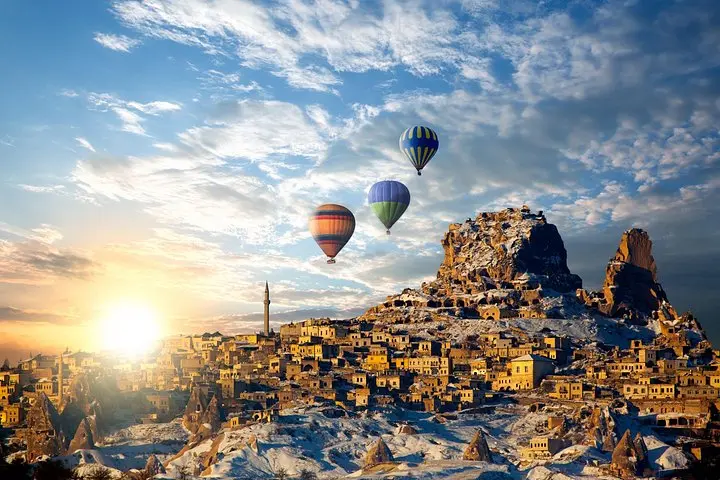
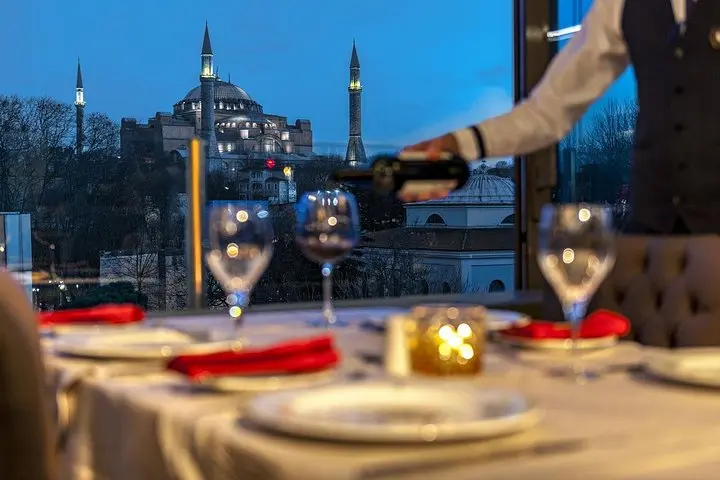
Istanbul is where civilizations layer visibly: Roman columns stand cheek by jowl with Ottoman domes, and the Hagia Sophia’s sheer dome still commands the square it has dominated since Justinian’s builders raised it in 532 AD. Geology takes a starring role in Cappadocia, where volcanic tuff, carved and eroded over millennia, creates fairy chimneys that locals repurposed into homes and churches. Ephesus speaks Roman civic life — walk the marble Curetes Street and imagine orators and traders crowding into a theater that held 24,000. Pamukkale’s travertine terraces are not just scenic; they form where mineral-rich thermal waters deposit calcium carbonate, slowly building the “cotton castle” terraces visitors wade across today.
There’s culture between the sights: in Avanos potters still wheel clay from the Kızılırmak river, and the House of the Virgin Mary on the mountain outside Ephesus holds quiet pilgrimage energy. Guides here are more than narrators; they manage logistics — domestic flights, cave-hotel check-ins, and skip-the-line entries — so short-trippers don’t waste daylight on bureaucracy.
Practical edge: the itinerary moves fast. Expect multiple domestic flights and early pick-ups; the group size is small (max 10), which keeps transfers nimble but means luggage limits (15 kg checked, 8 kg cabin). Walking on uneven terrain is constant in Cappadocia and Ephesus — sturdy shoes and a lightweight daypack make a measurable difference. Thermals in Pamukkale are warm year-round, but terraces can be slippery; follow posted routes and remove shoes where required.
Plan for rhythm: two full days in Istanbul for mosques, bazaars and a Bosphorus boat trip; two days to explore Cappadocia’s valleys, underground cities and open-air museums; a day in Ephesus and a night to soak in Pamukkale’s thermal pools before the return flight. Bring layers for early-morning balloon-viewing possibilities, a good camera with a wide lens for stone-lined streets and panoramas, and a patient appetite for long, immersive days. For travelers who want a compact but thorough Turkey primer, this tour keeps the logistics tight and the experiences broad.
Yes — the itinerary includes domestic flights (Istanbul–Cappadocia–Izmir and Denizli–Istanbul) with the stated baggage limits.
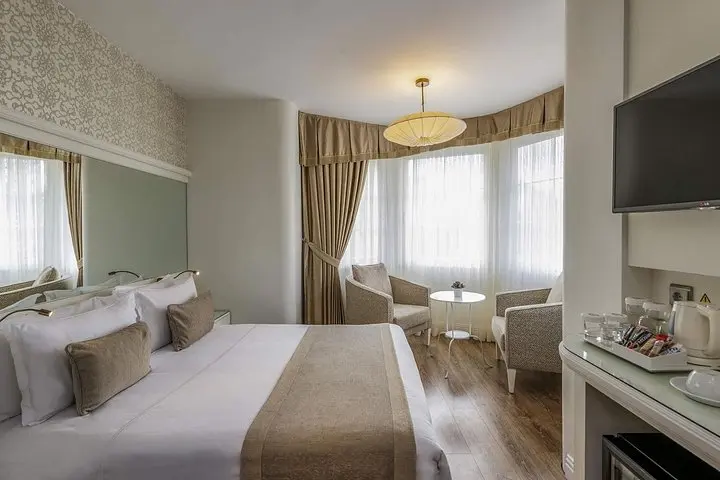
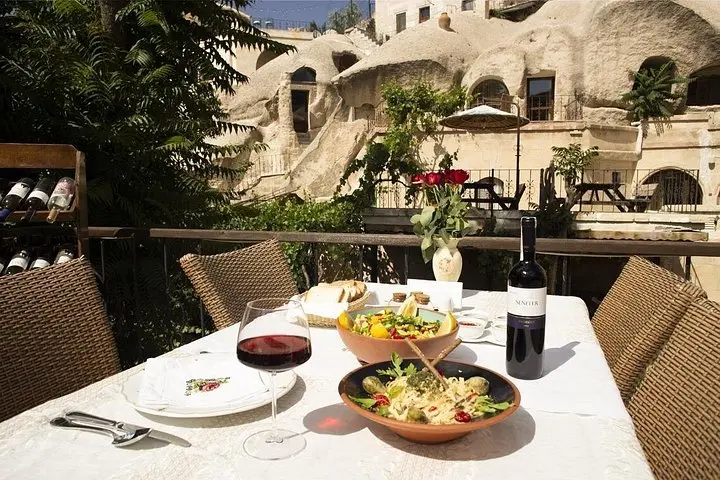
Yes; overnight stays in Cappadocia are in cave hotels that have modern amenities while preserving carved-rock architecture.
Yes, the tour accommodates solo travelers within a small group (maximum 10 participants).
Expect regular walking: city tours include 1–3 miles per session, Cappadocia involves more uneven terrain and short hikes; a moderate fitness level is recommended.
Entrance fees are included; guides carry pre-paid tickets to streamline entry at major sites.
The operator notes that if museums are closed, an alternative site will be visited; some weekly closures (e.g., Topkapi on Tuesdays) have planned substitutions.
Ephesus Shuttle Private & Small Group Tours operates guided outdoor trips and adventures with an emphasis on safety, stewardship, and memorable experiences.
The guide steps out into a dawn that smells faintly of sea salt and fresh bread. Istanbul’s minarets puncture the skyline as the Bosphorus pulls ships like a slow, confident current between two continents. Over eight days a small group moves through that current — from Ottoman courtyards and subterranean cisterns to the lunar valleys of Cappadocia, the marble streets of Ephesus, and the chalk-white terraces of Pamukkale — a sequence of landscapes that keep changing their accent but never their ability to surprise.
The guide steps out into a dawn that smells faintly of sea salt and fresh bread. Istanbul’s minarets puncture the skyline as the Bosphorus pulls ships like a slow, confident current between two continents. Over eight days a small group moves through that current — from Ottoman courtyards and subterranean cisterns to the lunar valleys of Cappadocia, the marble streets of Ephesus, and the chalk-white terraces of Pamukkale — a sequence of landscapes that keep changing their accent but never their ability to surprise.
Istanbul is where civilizations layer visibly: Roman columns stand cheek by jowl with Ottoman domes, and the Hagia Sophia’s sheer dome still commands the square it has dominated since Justinian’s builders raised it in 532 AD. Geology takes a starring role in Cappadocia, where volcanic tuff, carved and eroded over millennia, creates fairy chimneys that locals repurposed into homes and churches. Ephesus speaks Roman civic life — walk the marble Curetes Street and imagine orators and traders crowding into a theater that held 24,000. Pamukkale’s travertine terraces are not just scenic; they form where mineral-rich thermal waters deposit calcium carbonate, slowly building the “cotton castle” terraces visitors wade across today.
There’s culture between the sights: in Avanos potters still wheel clay from the Kızılırmak river, and the House of the Virgin Mary on the mountain outside Ephesus holds quiet pilgrimage energy. Guides here are more than narrators; they manage logistics — domestic flights, cave-hotel check-ins, and skip-the-line entries — so short-trippers don’t waste daylight on bureaucracy.
Practical edge: the itinerary moves fast. Expect multiple domestic flights and early pick-ups; the group size is small (max 10), which keeps transfers nimble but means luggage limits (15 kg checked, 8 kg cabin). Walking on uneven terrain is constant in Cappadocia and Ephesus — sturdy shoes and a lightweight daypack make a measurable difference. Thermals in Pamukkale are warm year-round, but terraces can be slippery; follow posted routes and remove shoes where required.
Plan for rhythm: two full days in Istanbul for mosques, bazaars and a Bosphorus boat trip; two days to explore Cappadocia’s valleys, underground cities and open-air museums; a day in Ephesus and a night to soak in Pamukkale’s thermal pools before the return flight. Bring layers for early-morning balloon-viewing possibilities, a good camera with a wide lens for stone-lined streets and panoramas, and a patient appetite for long, immersive days. For travelers who want a compact but thorough Turkey primer, this tour keeps the logistics tight and the experiences broad.