THE ADVENTURE COLLECTIVE® · Independent discovery and booking for outdoor travel

Explore Jordan in eight days: from the Siq into Petra’s rock-hewn streets to floating on the Dead Sea and camping beneath Wadi Rum’s sandstone arches. This guided route balances cultural sites, easy hikes and desert nights.
Explore Jordan in eight days: from the Siq into Petra’s rock-hewn streets to floating on the Dead Sea and camping beneath Wadi Rum’s sandstone arches. This guided route balances cultural sites, easy hikes and desert nights.
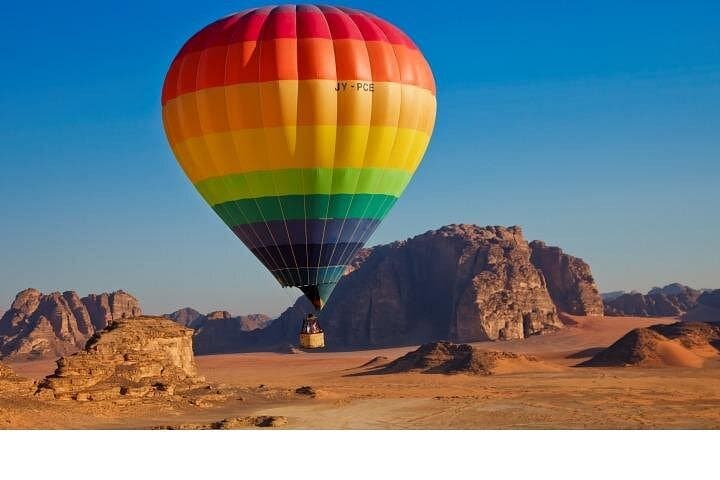
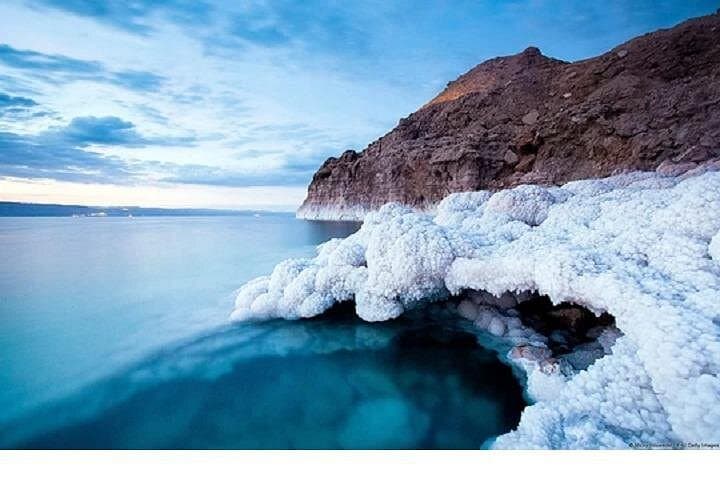
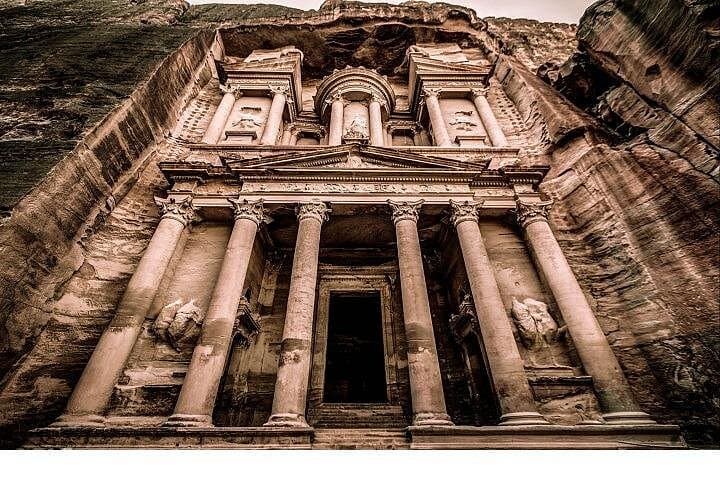
You step off the plane into Amman’s warm light and the city exhales—minarets, coffee shops and the steady hum of taxis. Over the next eight days the landscape will push and pull at you: the narrow, echoing Siq that funnels visitors into Petra’s rose-colored façade; the weightless buoyancy of the Dead Sea; the wind-sculpted arches and canyons of Wadi Rum that seem to move as the sun slides across the sky.
Verified experiences and guided adventures in the surrounding area.
Operated by Al Thuraya Travel & Tours · Amman, Amman
You step off the plane into Amman’s warm light and the city exhales—minarets, coffee shops and the steady hum of taxis. Over the next eight days the landscape will push and pull at you: the narrow, echoing Siq that funnels visitors into Petra’s rose-colored façade; the weightless buoyancy of the Dead Sea; the wind-sculpted arches and canyons of Wadi Rum that seem to move as the sun slides across the sky.
This itinerary threads Jordan’s deep history and variety of geology. Petra, carved by the Nabateans into sandstone cliffs, reveals façades, tombs and a Roman-style theater across roughly 4–8 km of walking inside the site; Jerash preserves colonnaded streets and temples from Roman Gerasa; Mount Nebo and Madaba carry early-Christian map fragments and mosaics. The Dead Sea sits about 430 m below sea level, producing an ultra-saline float and a microclimate that affects local plant life. Wadi Rum’s granite and sandstone towers—photo-ready and geologically young—hold Bedouin routes and WWII-era stories including Lawrence of Arabia.
Practical guidance: plan for long walking days—Petra alone can take 4–6 hours for a thorough visit—so bring breathable layers, sturdy shoes, and 2–3 liters of water per day in summer. Protect skin and cuts before entering the Dead Sea; float, then rinse promptly. Wadi Rum includes short 4x4 drives plus optional short hikes—book an overnight camp if you want clear-sky stargazing and traditional Bedouin meals. Expect well-organized transfers and breakfasts; carry local cash (Jordanian dinar) for markets and tips. Timing mornings and late afternoons for major sites avoids the hottest light and crowds.
Many sites have uneven ground and steps; the operator notes wheelchair-accessible options and transfers but some attractions like Petra and Wadi Rum have areas that are difficult for mobility-impaired visitors—check specific needs with the provider before booking.
Visa requirements vary by nationality—many travelers can obtain a visa on arrival at Queen Alia Airport, but check current entry rules and passport validity before travel.
Allocate at least 4–6 hours for the main trail from the Siq to the Monastery and back; more time lets you explore side trails and climb viewpoints.
Floating is generally safe, but avoid swallowing the water, keep it out of eyes and mouth, and avoid open cuts; consult your guide if you have skin conditions or health concerns.
Al Thuraya Travel & Tours operates guided outdoor trips and adventures with an emphasis on safety, stewardship, and memorable experiences.

You step off the plane into Amman’s warm light and the city exhales—minarets, coffee shops and the steady hum of taxis. Over the next eight days the landscape will push and pull at you: the narrow, echoing Siq that funnels visitors into Petra’s rose-colored façade; the weightless buoyancy of the Dead Sea; the wind-sculpted arches and canyons of Wadi Rum that seem to move as the sun slides across the sky.
You step off the plane into Amman’s warm light and the city exhales—minarets, coffee shops and the steady hum of taxis. Over the next eight days the landscape will push and pull at you: the narrow, echoing Siq that funnels visitors into Petra’s rose-colored façade; the weightless buoyancy of the Dead Sea; the wind-sculpted arches and canyons of Wadi Rum that seem to move as the sun slides across the sky.
This itinerary threads Jordan’s deep history and variety of geology. Petra, carved by the Nabateans into sandstone cliffs, reveals façades, tombs and a Roman-style theater across roughly 4–8 km of walking inside the site; Jerash preserves colonnaded streets and temples from Roman Gerasa; Mount Nebo and Madaba carry early-Christian map fragments and mosaics. The Dead Sea sits about 430 m below sea level, producing an ultra-saline float and a microclimate that affects local plant life. Wadi Rum’s granite and sandstone towers—photo-ready and geologically young—hold Bedouin routes and WWII-era stories including Lawrence of Arabia.
Practical guidance: plan for long walking days—Petra alone can take 4–6 hours for a thorough visit—so bring breathable layers, sturdy shoes, and 2–3 liters of water per day in summer. Protect skin and cuts before entering the Dead Sea; float, then rinse promptly. Wadi Rum includes short 4x4 drives plus optional short hikes—book an overnight camp if you want clear-sky stargazing and traditional Bedouin meals. Expect well-organized transfers and breakfasts; carry local cash (Jordanian dinar) for markets and tips. Timing mornings and late afternoons for major sites avoids the hottest light and crowds.