THE ADVENTURE COLLECTIVE® · Independent discovery and booking for outdoor travel

A private, 8-day sweep through Jordan’s highlights—from Amman and Jerash to Petra’s rock-cut streets, Wadi Rum’s desert theatre, and a restorative float in the Dead Sea. Luxury hotels and guided transfers make it a relaxed way to see the country’s big sights.
A private, 8-day sweep through Jordan’s highlights—from Amman and Jerash to Petra’s rock-cut streets, Wadi Rum’s desert theatre, and a restorative float in the Dead Sea. Luxury hotels and guided transfers make it a relaxed way to see the country’s big sights.
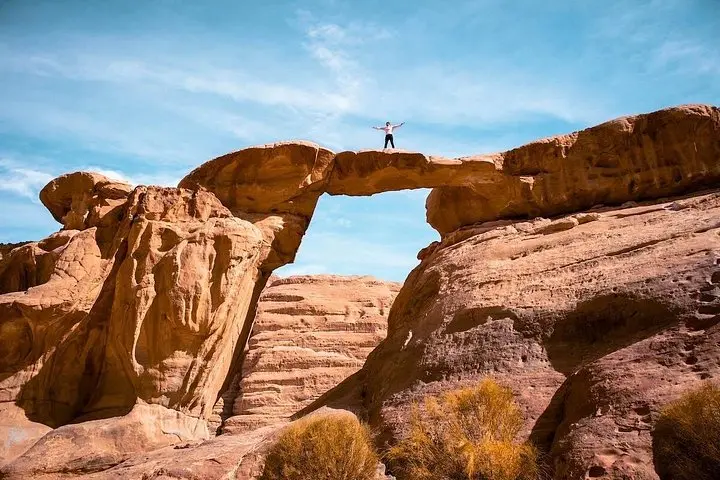
The driver eases away from Queen Alia Airport and Amman’s urban pulse softens into olive groves, then into ochre hills that stretch toward Petra. By the time the tour reaches Wadi Rum, the desert is already at work: wind shaping sandstone into arches and ridges that throw long shadows across red sand. This is not a checklist trip; it’s a staged immersion—ancient cities, deep saltwater, and nights under the desert sky delivered with private transfers and five-star comfort.
Verified experiences and guided adventures in the surrounding area.
Operated by Petra Limo · Amman, Amman Governorate
The driver eases away from Queen Alia Airport and Amman’s urban pulse softens into olive groves, then into ochre hills that stretch toward Petra. By the time the tour reaches Wadi Rum, the desert is already at work: wind shaping sandstone into arches and ridges that throw long shadows across red sand. This is not a checklist trip; it’s a staged immersion—ancient cities, deep saltwater, and nights under the desert sky delivered with private transfers and five-star comfort.
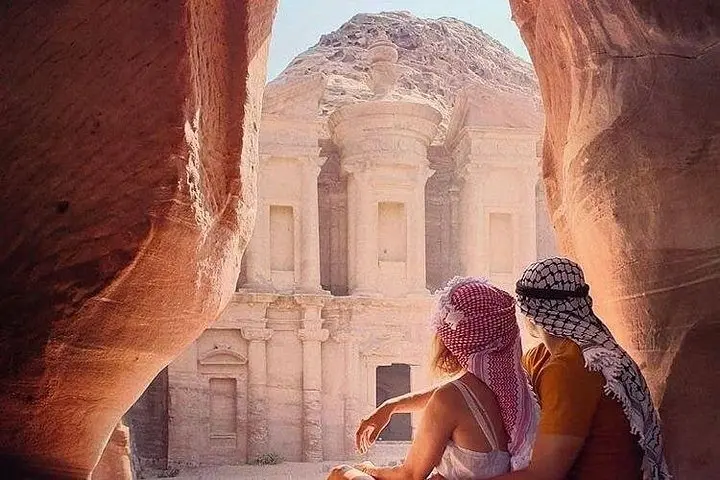
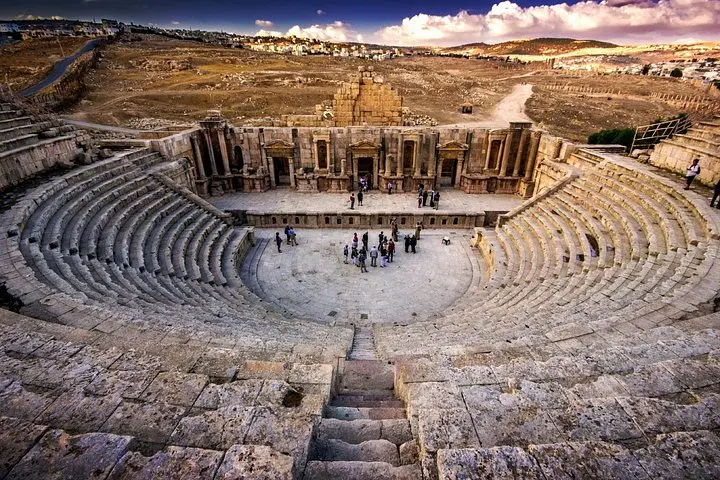
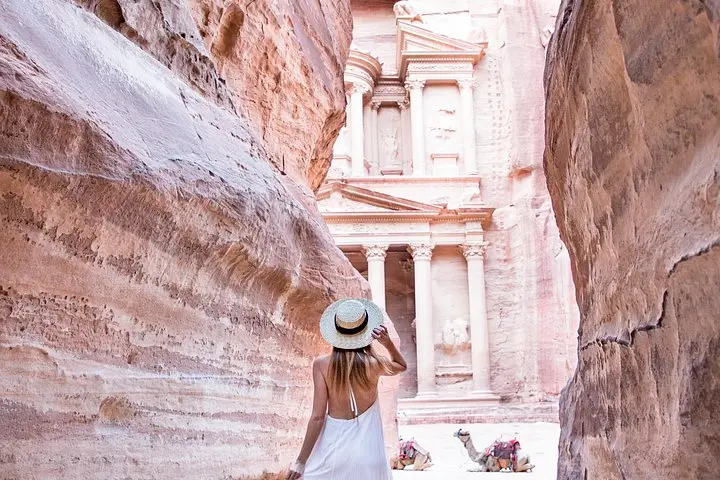
Jordan strings history across its landscape. In Amman, Roman columns perch above coffee shops; in Jerash, colonnaded streets recall a Greco-Roman municipal life. Petra was carved by the Nabataeans into a pocketed canyon at roughly 800–1,000 meters elevation, its facades catching light like polished bronze. Geologically, southern Jordan is older sand and soft sandstone: it yields to erosion, creating the sculpted cliffs of Petra and the broad, wind-swept basins of Wadi Rum where mountains like Jebel Umm ad Dami rise toward 1,850 meters.
Culture threads through the itinerary—Madaba’s Byzantine mosaics, the pilgrimage quiet of Mount Nebo, and the Bedouin hospitality of camp hosts in Wadi Rum. The Dead Sea sits in contrast: the world’s lowest exposed land at about 430 meters below sea level, a mineral-heavy basin that seems to hold back time, daring you to float.
Practical planning matters. Total driving across the route accumulates several hundred kilometers: Amman–Jerash ~50 km round trip, Amman–Dead Sea ~50–70 km, Dead Sea–Petra ~200–230 km (3–4 hours depending on traffic). Expect full but relaxed days—Petra requires four to six hours to see the main sites comfortably; add more if climbing to the Monastery. The operator provides AC transport, bottled water, and a three-hour local guide in Petra, but admission fees may not be covered by a Jordan Pass—confirm your ticketing before arrival.
Timing and kit make the trip better. Visit Petra early or late to avoid the heat and crowds; sunrise in the Siq exposes the Treasury slowly like a reveal. In summer, plan for strong sun and temperatures above 35°C; winter nights in Wadi Rum can be cold. Modest clothing is appropriate at religious sites; sturdy walking shoes are non-negotiable for uneven stone and loose sand.
On the ground, leave room for quiet moments: drift in the Dead Sea, pause at the ledge above the Siq, and watch Wadi Rum’s sky turn violet at sunset. The route balances luxury and raw landscape—hotels and a Martian-style camp give comfort, but the real currency here is the spaces in between: a ruined Roman theater, a mosaic church floor, a Bedouin cup of tea that tastes like the place it came from.
Entrance fees vary by ticket type; the operator notes entrance fees to sites are not included in the tour price—confirm whether you’ll use a Jordan Pass or purchase Petra tickets separately.
Yes—most hotels on the Dead Sea have beach access and flotation is safe; avoid shaving or open wounds and rinse off the salt thoroughly afterward.
Options range from standard desert tents to luxury 'Martian' camps with private bathrooms and heating; comfort level depends on the selected package.
The itinerary is designed for all fitness levels with private transport and accessible sites, but Petra involves long walking and some climbing; notify the operator of mobility needs.
Visa requirements depend on nationality—many visitors can obtain a visa on arrival or use an electronic visa; check Jordan’s official visa guidance before travel.
Expect 3–6 hours of walking to see main attractions like the Treasury and Monastery, with uneven steps and sandy stretches—comfortable shoes and a moderate fitness level help.
Petra Limo operates guided outdoor trips and adventures with an emphasis on safety, stewardship, and memorable experiences.
The driver eases away from Queen Alia Airport and Amman’s urban pulse softens into olive groves, then into ochre hills that stretch toward Petra. By the time the tour reaches Wadi Rum, the desert is already at work: wind shaping sandstone into arches and ridges that throw long shadows across red sand. This is not a checklist trip; it’s a staged immersion—ancient cities, deep saltwater, and nights under the desert sky delivered with private transfers and five-star comfort.
The driver eases away from Queen Alia Airport and Amman’s urban pulse softens into olive groves, then into ochre hills that stretch toward Petra. By the time the tour reaches Wadi Rum, the desert is already at work: wind shaping sandstone into arches and ridges that throw long shadows across red sand. This is not a checklist trip; it’s a staged immersion—ancient cities, deep saltwater, and nights under the desert sky delivered with private transfers and five-star comfort.
Jordan strings history across its landscape. In Amman, Roman columns perch above coffee shops; in Jerash, colonnaded streets recall a Greco-Roman municipal life. Petra was carved by the Nabataeans into a pocketed canyon at roughly 800–1,000 meters elevation, its facades catching light like polished bronze. Geologically, southern Jordan is older sand and soft sandstone: it yields to erosion, creating the sculpted cliffs of Petra and the broad, wind-swept basins of Wadi Rum where mountains like Jebel Umm ad Dami rise toward 1,850 meters.
Culture threads through the itinerary—Madaba’s Byzantine mosaics, the pilgrimage quiet of Mount Nebo, and the Bedouin hospitality of camp hosts in Wadi Rum. The Dead Sea sits in contrast: the world’s lowest exposed land at about 430 meters below sea level, a mineral-heavy basin that seems to hold back time, daring you to float.
Practical planning matters. Total driving across the route accumulates several hundred kilometers: Amman–Jerash ~50 km round trip, Amman–Dead Sea ~50–70 km, Dead Sea–Petra ~200–230 km (3–4 hours depending on traffic). Expect full but relaxed days—Petra requires four to six hours to see the main sites comfortably; add more if climbing to the Monastery. The operator provides AC transport, bottled water, and a three-hour local guide in Petra, but admission fees may not be covered by a Jordan Pass—confirm your ticketing before arrival.
Timing and kit make the trip better. Visit Petra early or late to avoid the heat and crowds; sunrise in the Siq exposes the Treasury slowly like a reveal. In summer, plan for strong sun and temperatures above 35°C; winter nights in Wadi Rum can be cold. Modest clothing is appropriate at religious sites; sturdy walking shoes are non-negotiable for uneven stone and loose sand.
On the ground, leave room for quiet moments: drift in the Dead Sea, pause at the ledge above the Siq, and watch Wadi Rum’s sky turn violet at sunset. The route balances luxury and raw landscape—hotels and a Martian-style camp give comfort, but the real currency here is the spaces in between: a ruined Roman theater, a mosaic church floor, a Bedouin cup of tea that tastes like the place it came from.