THE ADVENTURE COLLECTIVE® · Independent discovery and booking for outdoor travel

Approach Kilimanjaro from the western wilds on the Lemosho Route: eight days of forest, high plateau and an alpine summit push designed to boost acclimatization and success. Read on for what to expect, essential gear and on-mountain tips.
Approach Kilimanjaro from the western wilds on the Lemosho Route: eight days of forest, high plateau and an alpine summit push designed to boost acclimatization and success. Read on for what to expect, essential gear and on-mountain tips.
The dawn in Arusha feels like a last calm breath before the mountain. Vehicles roll away from the city and with each kilometer the air thins and the landscape changes—from red clay towns to banana groves and then the dense green of Kilimanjaro’s rain forest. At Londorossi Gate the trail swallows the group: a narrow path under giant fig and camphor trees that seems to pull you forward into the mountain’s stories.
Verified experiences and guided adventures in the surrounding area.
Operated by Moorland Safari and Trekking · Arusha, Arusha Region
The dawn in Arusha feels like a last calm breath before the mountain. Vehicles roll away from the city and with each kilometer the air thins and the landscape changes—from red clay towns to banana groves and then the dense green of Kilimanjaro’s rain forest. At Londorossi Gate the trail swallows the group: a narrow path under giant fig and camphor trees that seems to pull you forward into the mountain’s stories.
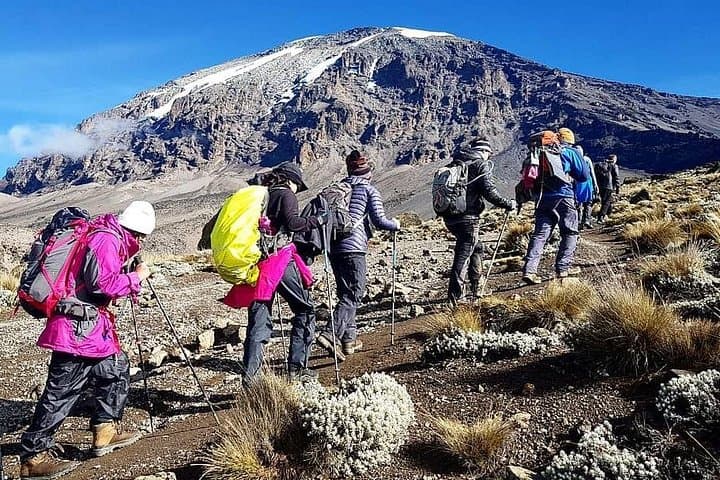
The Lemosho Route approaches Kilimanjaro from the west, threading a quieter, more scenic line across the volcano’s shoulders. Geologically Kibo and its jagged neighbor Mawenzi are the visible remains of a once-active shield volcano; the summit cone of Kibo holds the high crater and the shrinking glaciers that crown the roof of Africa. The route traverses distinct ecological bands—rain forest, heath and moorland, alpine desert and finally the arctic zone near Uhuru Peak—each with its own light and personality. Locally, the mountain is more than a climb; to Chagga communities on the lower slopes it’s part of the landscape of lives and farms, and park fees support conservation and local jobs.
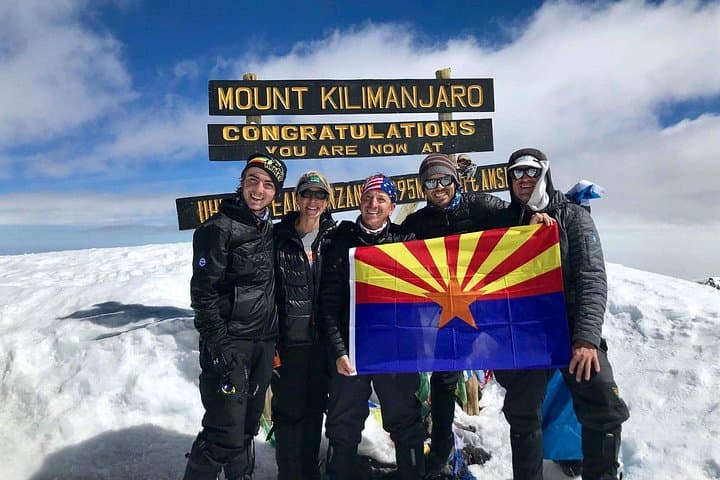
Practical rhythm matters here. The itinerary spreads eight days across roughly 64 km of walking and nearly 4,300 meters of elevation gain, trading speed for acclimatization. Early days move through rain forest to Shira Plateau where lava fields and lichened rock announce higher ground; mid-trip nights at Lava Tower and Karanga buy the body time; the summit push begins around midnight from Barafu, a slow upward crawl that muscles you through wind and cold to Stella Point and then Uhuru Peak. The descent to Mweka erases altitude rapidly—watch your knees.
Expect variable weather: heavy sun at lower elevations, fierce cold and wind above 5,000 m, and afternoon mists in forest zones. Walk poles, layered clothing, and a patient pace are as important as base fitness. Respect the porters and guides—proper kit and tipping policies matter for safety and ethical travel.
If you want the best chance at a summit, hydrate early, eat to keep energy up, and take altitude slowly. Bring boots that are already broken in, practice night-hiking on small hills if you can, and plan a day in Arusha after the trek to reset before travel. The Lemosho route rewards preparation with solitude, shifting panoramas and a summit sunrise that strips away any doubt about why people cross oceans to stand on Africa’s highest point.
Lemosho’s longer profile and extra acclimatization days generally yield higher summit success than shorter routes; success varies with fitness and response to altitude, but operators often report favorable rates.
No technical climbing experience is required, but prior multi-day trekking experience and good cardiovascular fitness are important for comfort and success.
Many operators include park fees, camping equipment and meals in the package—confirm with your supplier and carry proof of payment on arrival at Londorossi Gate.
Take it seriously: communicate symptoms to guides, descend immediately if severe, and consider prophylactic acetazolamide after physician approval; guided groups carry oxygen and evacuation plans.
Tipping is customary and supports local livelihoods; ask your outfitter for recommended amounts and distribute tips through the head guide to ensure fairness.
June–October are the most reliably dry months; December–February are also popular. Rainy seasons (March–May and October–November) increase cloud and trail mud.
Moorland Safari and Trekking operates guided outdoor trips and adventures with an emphasis on safety, stewardship, and memorable experiences.


The dawn in Arusha feels like a last calm breath before the mountain. Vehicles roll away from the city and with each kilometer the air thins and the landscape changes—from red clay towns to banana groves and then the dense green of Kilimanjaro’s rain forest. At Londorossi Gate the trail swallows the group: a narrow path under giant fig and camphor trees that seems to pull you forward into the mountain’s stories.
The dawn in Arusha feels like a last calm breath before the mountain. Vehicles roll away from the city and with each kilometer the air thins and the landscape changes—from red clay towns to banana groves and then the dense green of Kilimanjaro’s rain forest. At Londorossi Gate the trail swallows the group: a narrow path under giant fig and camphor trees that seems to pull you forward into the mountain’s stories.
The Lemosho Route approaches Kilimanjaro from the west, threading a quieter, more scenic line across the volcano’s shoulders. Geologically Kibo and its jagged neighbor Mawenzi are the visible remains of a once-active shield volcano; the summit cone of Kibo holds the high crater and the shrinking glaciers that crown the roof of Africa. The route traverses distinct ecological bands—rain forest, heath and moorland, alpine desert and finally the arctic zone near Uhuru Peak—each with its own light and personality. Locally, the mountain is more than a climb; to Chagga communities on the lower slopes it’s part of the landscape of lives and farms, and park fees support conservation and local jobs.
Practical rhythm matters here. The itinerary spreads eight days across roughly 64 km of walking and nearly 4,300 meters of elevation gain, trading speed for acclimatization. Early days move through rain forest to Shira Plateau where lava fields and lichened rock announce higher ground; mid-trip nights at Lava Tower and Karanga buy the body time; the summit push begins around midnight from Barafu, a slow upward crawl that muscles you through wind and cold to Stella Point and then Uhuru Peak. The descent to Mweka erases altitude rapidly—watch your knees.
Expect variable weather: heavy sun at lower elevations, fierce cold and wind above 5,000 m, and afternoon mists in forest zones. Walk poles, layered clothing, and a patient pace are as important as base fitness. Respect the porters and guides—proper kit and tipping policies matter for safety and ethical travel.
If you want the best chance at a summit, hydrate early, eat to keep energy up, and take altitude slowly. Bring boots that are already broken in, practice night-hiking on small hills if you can, and plan a day in Arusha after the trek to reset before travel. The Lemosho route rewards preparation with solitude, shifting panoramas and a summit sunrise that strips away any doubt about why people cross oceans to stand on Africa’s highest point.