THE ADVENTURE COLLECTIVE® · Independent discovery and booking for outdoor travel

Tackle Kilimanjaro via the quieter Lemosho Route: a gradual, scenic approach that maximizes acclimatization through rainforest, the Shira Plateau and a final alpine ascent to Uhuru Peak. This guided 8‑day package includes tents, meals and certified guides.
Tackle Kilimanjaro via the quieter Lemosho Route: a gradual, scenic approach that maximizes acclimatization through rainforest, the Shira Plateau and a final alpine ascent to Uhuru Peak. This guided 8‑day package includes tents, meals and certified guides.
A cold pre-dawn stands on Barafu’s hard-packed snow and the headlamps of your team cut narrow corridors through the dark. You shoulder your daypack, and the mountain’s wind seems to push you forward—each step a negotiation with altitude and resolve.
Verified experiences and guided adventures in the surrounding area.
Operated by Soraka Tours · Moshi, Kilimanjaro Region
A cold pre-dawn stands on Barafu’s hard-packed snow and the headlamps of your team cut narrow corridors through the dark. You shoulder your daypack, and the mountain’s wind seems to push you forward—each step a negotiation with altitude and resolve.
The Lemosho Route approaches Kilimanjaro from the west, threading rainforest, heath, moorland, the broad Shira Plateau and an alpine desert before the glaciated crown. Geologically Kilimanjaro is a composite of extinct volcanos—Kibo being the highest—shaped by eruptions millions of years ago and the slow weathering of its lava towers and ridgelines. The Chagga people have lived on the mountain’s lower slopes for centuries; their terraced farms and village trails are part of the cultural landscape you pass on the way to the gates.
Expect biodiversity: towering Hagenia trees and colobus monkeys lower down, rare afro-alpine plants higher up, and stony, wind-scoured ridges near the summit. The itinerary builds acclimatization—hiking high and sleeping lower at strategic camps (Shira, Barranco, Karanga)—a proven tactic to improve summit odds.
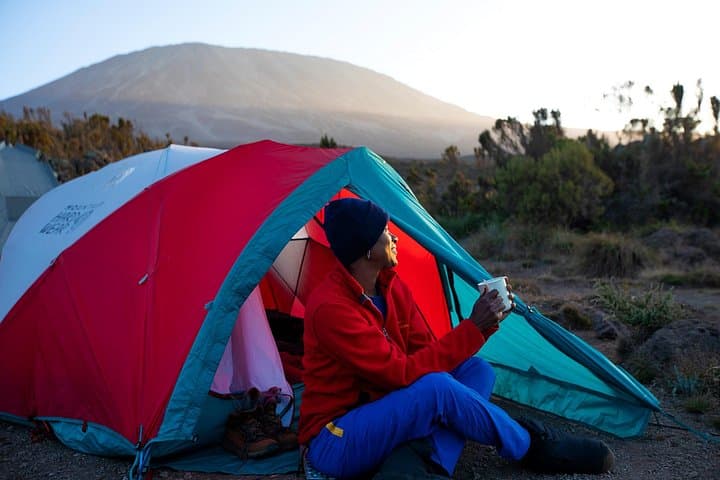
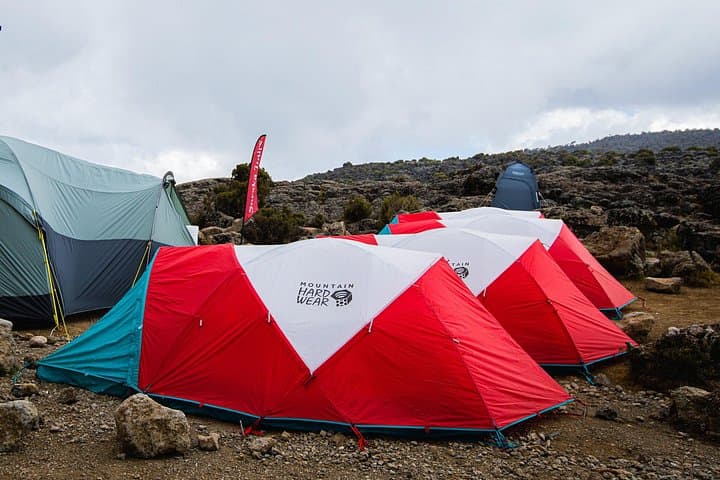
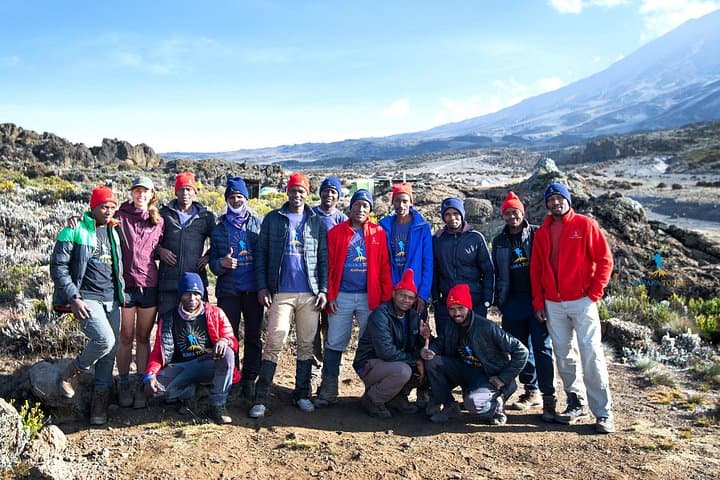
Practical guidance: train with long hikes and back-to-back days, bring layered insulation, and practice using trekking poles. Hydration, slow pacing, and nightly oximeter checks are standard; guides will monitor you and carry emergency oxygen. Camps use double-pole four-season tents and a cook team handles food and logistics, so your focus is walking smart and sleeping well. Summit day is long (often 14–16 hours round trip); start very early and reserve energy for the final push to Uhuru Peak.
Lemosho’s gradual profile improves acclimatization and increases summit odds compared with shorter routes, but success depends on fitness, pacing and altitude response.
No technical rock- or ice-climbing skills are needed; the route is non-technical trekking, though summit exposure and conditions require sure-footedness and stamina.
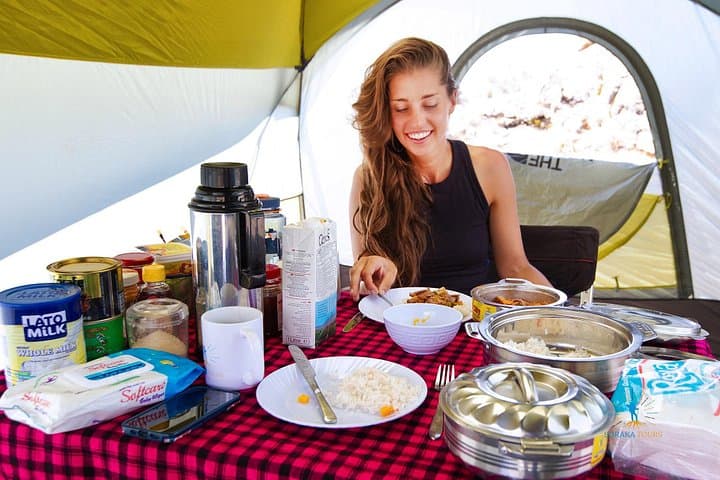
Three cooked meals daily on the mountain, four-season tented accommodation (usually two-per-tent), sleeping mats and a field kitchen are provided as part of the package.
Guides are Wilderness First Responders, carry an oximeter, medical kit and emergency oxygen; evacuation plans exist through Kilimanjaro National Park if needed.
Soraka Tours operates guided outdoor trips and adventures with an emphasis on safety, stewardship, and memorable experiences.
A cold pre-dawn stands on Barafu’s hard-packed snow and the headlamps of your team cut narrow corridors through the dark. You shoulder your daypack, and the mountain’s wind seems to push you forward—each step a negotiation with altitude and resolve.
A cold pre-dawn stands on Barafu’s hard-packed snow and the headlamps of your team cut narrow corridors through the dark. You shoulder your daypack, and the mountain’s wind seems to push you forward—each step a negotiation with altitude and resolve.
The Lemosho Route approaches Kilimanjaro from the west, threading rainforest, heath, moorland, the broad Shira Plateau and an alpine desert before the glaciated crown. Geologically Kilimanjaro is a composite of extinct volcanos—Kibo being the highest—shaped by eruptions millions of years ago and the slow weathering of its lava towers and ridgelines. The Chagga people have lived on the mountain’s lower slopes for centuries; their terraced farms and village trails are part of the cultural landscape you pass on the way to the gates.
Expect biodiversity: towering Hagenia trees and colobus monkeys lower down, rare afro-alpine plants higher up, and stony, wind-scoured ridges near the summit. The itinerary builds acclimatization—hiking high and sleeping lower at strategic camps (Shira, Barranco, Karanga)—a proven tactic to improve summit odds.
Practical guidance: train with long hikes and back-to-back days, bring layered insulation, and practice using trekking poles. Hydration, slow pacing, and nightly oximeter checks are standard; guides will monitor you and carry emergency oxygen. Camps use double-pole four-season tents and a cook team handles food and logistics, so your focus is walking smart and sleeping well. Summit day is long (often 14–16 hours round trip); start very early and reserve energy for the final push to Uhuru Peak.