THE ADVENTURE COLLECTIVE® · Independent discovery and booking for outdoor travel

The 8-day Lemosho Route on Kilimanjaro blends careful acclimatization with dramatic landscape shifts — rainforest, moorland, the Lava Tower and a summit that rewards slow, steady effort. This guide outlines what to expect on each stage, practical tips for summit night, and the cultural and environmental context that shapes the climb.
The 8-day Lemosho Route on Kilimanjaro blends careful acclimatization with dramatic landscape shifts — rainforest, moorland, the Lava Tower and a summit that rewards slow, steady effort. This guide outlines what to expect on each stage, practical tips for summit night, and the cultural and environmental context that shapes the climb.
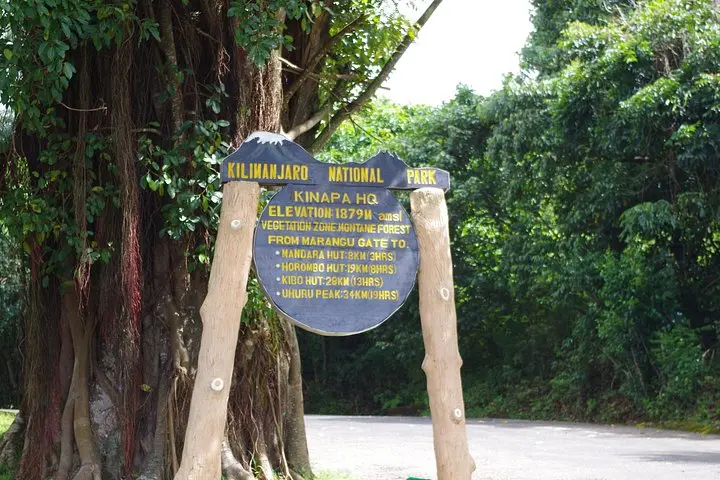
At dawn the forest breathes mist across boot-deep roots and the trail threads upward through moss and giant heather. The Lemosho Route opens like a sequence of ecosystems: dark rainforest that muffles footsteps, wide moorland where the wind takes charge, a high desert of scree and volcanic rock where the summit keeps its distance. By day four the trail has carried climbers over the Lava Tower and down into the Barranco Valley — a deliberate rise-and-fall that primes lungs and legs for the final push to Uhuru Peak.
Verified experiences and guided adventures in the surrounding area.
Operated by Transkibo Travels Ltd · Moshi, Kilimanjaro Region
At dawn the forest breathes mist across boot-deep roots and the trail threads upward through moss and giant heather. The Lemosho Route opens like a sequence of ecosystems: dark rainforest that muffles footsteps, wide moorland where the wind takes charge, a high desert of scree and volcanic rock where the summit keeps its distance. By day four the trail has carried climbers over the Lava Tower and down into the Barranco Valley — a deliberate rise-and-fall that primes lungs and legs for the final push to Uhuru Peak.
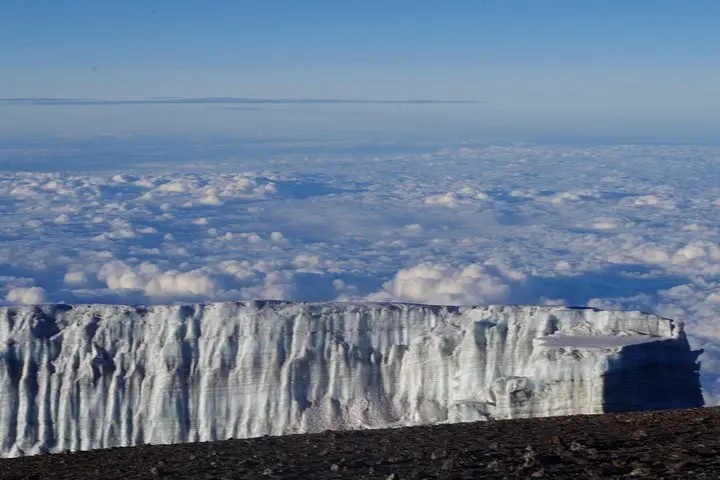
Kilimanjaro is a geological giant: a dormant stratovolcano capped by the remnants of an ice cap that is receding every decade. The mountain’s slopes are a vertical cross-section of East African ecology and culture; at low elevations farms and coffee estates ring Moshi town, while the mountain’s upper reaches are governed by altitude and wind. The Lemosho variation follows a westerly approach, joining the southern circuit and offering varied acclimatization — including the crucial short day between Barranco and Barafu, which intentionally reduces the fatigue heading into summit night.
Local porters, guides, and cooks are the backbone of any successful summit bid. Many are from Chagga and Pare communities around Kilimanjaro; their knowledge of micro-weather and trail pacing shapes how a group moves. Historically the mountain drew European explorers in the late 19th century; today it’s protected as Kilimanjaro National Park and managed with park fees that fund conservation and local employment.
Practicalities matter as much as ambition. The route gains roughly 3,700–3,800 meters from gate to Uhuru Peak (5,985 m), and total trekking distance is commonly in the 60–75 km range across eight days. Expect long but deliberate marching days interspersed with acclimatization walks. Summit day begins around midnight — plan for six or more hours of slow ascent from Barafu to the crater rim, and another five hours for the steep descent to Mweka. Carry gaiters and trekking poles for the loose gravel; lightweight crampons are not required on the normal route but may help in icy patches.
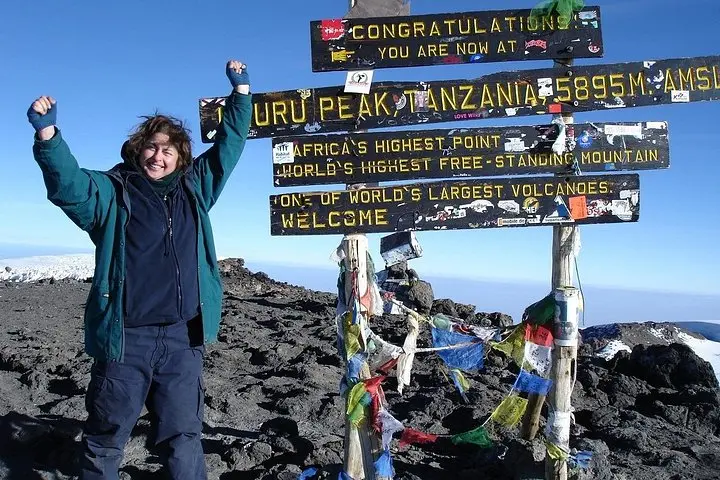
Hydration, pacing, and layering are the constants: drink frequently, walk slowly, and add or remove layers in response to sharp changes in temperature. Respect the mountain’s rhythms — early nights, quiet camps, and a conservative ascent schedule improve your odds of reaching the summit and returning safely. With a thoughtful itinerary and a seasoned crew, the Lemosho Route is as much about the methodical climb as it is the moment you stand above the clouds on Africa’s rooftop.
Lemosho is moderate to challenging: it’s longer, offers better acclimatization through its gradual profile, and increases summit success rates compared with shorter routes.
No technical climbing is required on the standard Lemosho itinerary — the route is a strenuous trek rather than a technical ascent.
Acute mountain sickness can occur; the Lemosho Route’s extra acclimatization days reduce risk, but symptoms vary — descent is the only definitive treatment.
Confirm with your operator; Kilimanjaro National Park fees and rescue contributions are mandatory and are typically included in tour pricing.
Tipping is customary; many groups pool tips — plan roughly $150–$250 per climber to be divided among guides and porters, adjusted for service level.
Reception is patchy: some camps and the Barranco area may have limited signal; don’t rely on mobile data for navigation or emergencies.
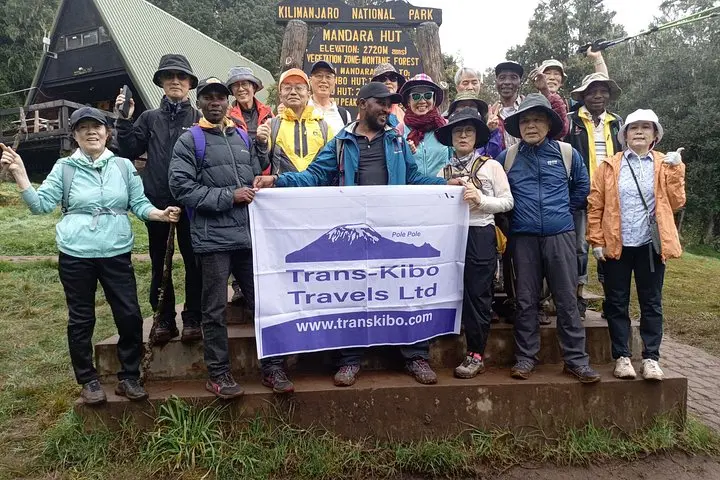
Transkibo Travels Ltd operates guided outdoor trips and adventures with an emphasis on safety, stewardship, and memorable experiences.
At dawn the forest breathes mist across boot-deep roots and the trail threads upward through moss and giant heather. The Lemosho Route opens like a sequence of ecosystems: dark rainforest that muffles footsteps, wide moorland where the wind takes charge, a high desert of scree and volcanic rock where the summit keeps its distance. By day four the trail has carried climbers over the Lava Tower and down into the Barranco Valley — a deliberate rise-and-fall that primes lungs and legs for the final push to Uhuru Peak.
At dawn the forest breathes mist across boot-deep roots and the trail threads upward through moss and giant heather. The Lemosho Route opens like a sequence of ecosystems: dark rainforest that muffles footsteps, wide moorland where the wind takes charge, a high desert of scree and volcanic rock where the summit keeps its distance. By day four the trail has carried climbers over the Lava Tower and down into the Barranco Valley — a deliberate rise-and-fall that primes lungs and legs for the final push to Uhuru Peak.
Kilimanjaro is a geological giant: a dormant stratovolcano capped by the remnants of an ice cap that is receding every decade. The mountain’s slopes are a vertical cross-section of East African ecology and culture; at low elevations farms and coffee estates ring Moshi town, while the mountain’s upper reaches are governed by altitude and wind. The Lemosho variation follows a westerly approach, joining the southern circuit and offering varied acclimatization — including the crucial short day between Barranco and Barafu, which intentionally reduces the fatigue heading into summit night.
Local porters, guides, and cooks are the backbone of any successful summit bid. Many are from Chagga and Pare communities around Kilimanjaro; their knowledge of micro-weather and trail pacing shapes how a group moves. Historically the mountain drew European explorers in the late 19th century; today it’s protected as Kilimanjaro National Park and managed with park fees that fund conservation and local employment.
Practicalities matter as much as ambition. The route gains roughly 3,700–3,800 meters from gate to Uhuru Peak (5,985 m), and total trekking distance is commonly in the 60–75 km range across eight days. Expect long but deliberate marching days interspersed with acclimatization walks. Summit day begins around midnight — plan for six or more hours of slow ascent from Barafu to the crater rim, and another five hours for the steep descent to Mweka. Carry gaiters and trekking poles for the loose gravel; lightweight crampons are not required on the normal route but may help in icy patches.
Hydration, pacing, and layering are the constants: drink frequently, walk slowly, and add or remove layers in response to sharp changes in temperature. Respect the mountain’s rhythms — early nights, quiet camps, and a conservative ascent schedule improve your odds of reaching the summit and returning safely. With a thoughtful itinerary and a seasoned crew, the Lemosho Route is as much about the methodical climb as it is the moment you stand above the clouds on Africa’s rooftop.