THE ADVENTURE COLLECTIVE® · Independent discovery and booking for outdoor travel

This eight-day Lemosho route to Kilimanjaro favors scenery and acclimatization, threading through forest, moorland and alpine desert before a midnight summit push. Read on for practical route insights, daily terrain, and planning tips to help you reach Uhuru Peak.
This eight-day Lemosho route to Kilimanjaro favors scenery and acclimatization, threading through forest, moorland and alpine desert before a midnight summit push. Read on for practical route insights, daily terrain, and planning tips to help you reach Uhuru Peak.
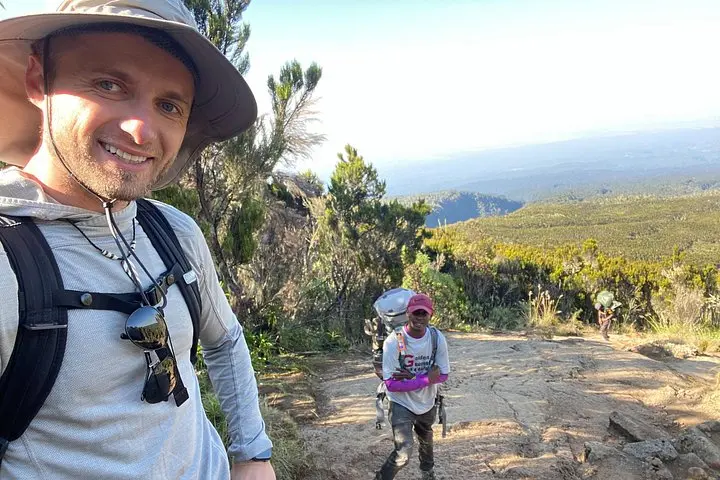
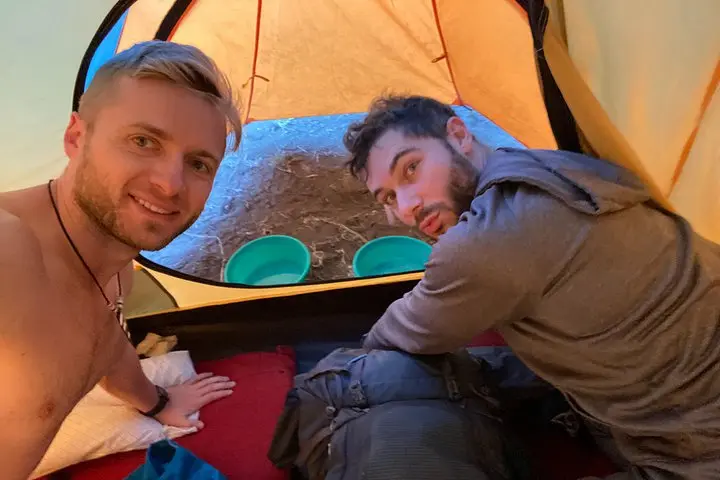
You stand under a quilt of southern stars, headlamp a pale moon bobbing against the black. Camp is quiet except for the rustle of sleeping bags and the occasional chuckle of a porter folding moonlit gear. The Lemosho route has a way of announcing itself slowly: first the dense montane forest that smells of damp earth and fern, then the open heather and finally the bleak, wind-polished ridges where the mountain begins to speak in ice and volcanic rock.
Verified experiences and guided adventures in the surrounding area.
Operated by Golden Summit Adventures · Moshi, Kilimanjaro Region
You stand under a quilt of southern stars, headlamp a pale moon bobbing against the black. Camp is quiet except for the rustle of sleeping bags and the occasional chuckle of a porter folding moonlit gear. The Lemosho route has a way of announcing itself slowly: first the dense montane forest that smells of damp earth and fern, then the open heather and finally the bleak, wind-polished ridges where the mountain begins to speak in ice and volcanic rock.
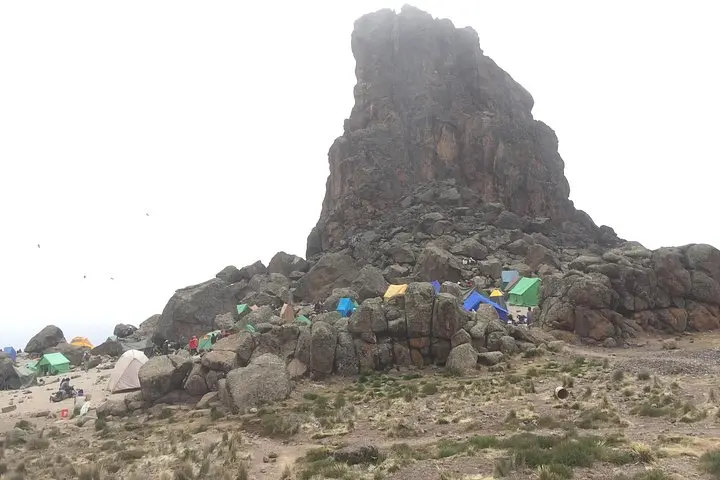
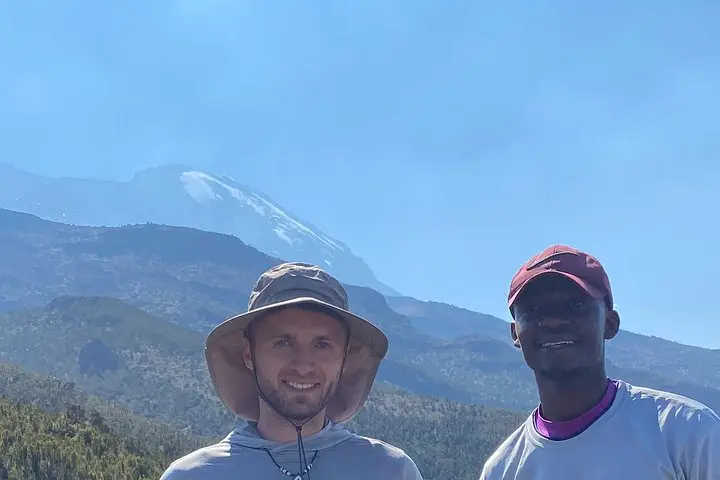
Approaching Kilimanjaro from the west, the Lemosho route was developed to spread traffic and maximize acclimatization. Geologically, Kilimanjaro is three volcanic cones stacked over time—Shira, Mawenzi and Kibo—each a chapter in East Africa's volcanic story. You cross the Shira Plateau early on, an expanse of moorland that feels like a high, grassy ocean, then climb to landmarks like Lava Tower and the Great Barranco Wall before the final push up scree to Stella Point and Uhuru Peak at 5,895 meters.
This route is also a cultural trail. The Chagga people have farmed Kilimanjaro’s lower slopes for centuries; porters and guides—local craftsmen of mountain logistics—bring the climb to life and keep the camps running. Expect days of steady ascents, a mix of forest paths, moorland meadows, rocky slabs and heavy scree on summit night. Typical daily hikes vary from three to eight hours, with the summit push normally starting around midnight: six hours up through loose scree, then a sharp, alpine rim walk to the peak, and a steep descent that taxes weary knees.
Practical edge: this itinerary is eight days, which improves your odds against altitude sickness versus shorter routes. Elevation gain is significant—start roughly at 2,100 meters at the gate and finish at 5,895 meters—so hydration, slow pacing and rest days matter. Footing shifts quickly; trail shoes with rigid soles and trekking poles for the summit scree are indispensable. Temperatures swing dramatically—warm in the forest, bitterly cold on the crater rim—so layered clothing and a reliable sleeping bag rated for -10°C or lower are essential.
Operators on the Lemosho route typically include full board meals, camping gear, and experienced guides. Respect local customs and tip porters fairly—the human chain behind every summit is as vital as the mountain itself. Leave no trace: pack out trash and use established toilet protocols at camps. When Kilimanjaro is quiet in early morning, the mountain feels less like an obstacle and more like a force testing patience and resolve; treat it with humility, plan smart, and it will reward you with one of Africa’s most unforgettable summits.
No; the Lemosho route is non-technical—no ropes or crampons required under normal conditions—though basic high-altitude trekking experience helps.
Uhuru Peak is 5,895 meters (19,341 feet); the route reaches Stella Point before a short rim walk to the peak.
Altitude sickness is possible; the 8-day itinerary offers better acclimatization than shorter routes but monitor symptoms and follow guide instructions.
Most operators include park fees and camping permits in the package—confirm with your supplier and ensure they are listed in your booking confirmation.
The driest windows are January–March and June–October; weather can change rapidly, so plan for cold summit conditions regardless of season.
Tipping is customary—budget roughly $200–$300 per climber to be distributed among guides, cooks and porters, adjusted for group size and service.
Golden Summit Adventures operates guided outdoor trips and adventures with an emphasis on safety, stewardship, and memorable experiences.
You stand under a quilt of southern stars, headlamp a pale moon bobbing against the black. Camp is quiet except for the rustle of sleeping bags and the occasional chuckle of a porter folding moonlit gear. The Lemosho route has a way of announcing itself slowly: first the dense montane forest that smells of damp earth and fern, then the open heather and finally the bleak, wind-polished ridges where the mountain begins to speak in ice and volcanic rock.
You stand under a quilt of southern stars, headlamp a pale moon bobbing against the black. Camp is quiet except for the rustle of sleeping bags and the occasional chuckle of a porter folding moonlit gear. The Lemosho route has a way of announcing itself slowly: first the dense montane forest that smells of damp earth and fern, then the open heather and finally the bleak, wind-polished ridges where the mountain begins to speak in ice and volcanic rock.
Approaching Kilimanjaro from the west, the Lemosho route was developed to spread traffic and maximize acclimatization. Geologically, Kilimanjaro is three volcanic cones stacked over time—Shira, Mawenzi and Kibo—each a chapter in East Africa's volcanic story. You cross the Shira Plateau early on, an expanse of moorland that feels like a high, grassy ocean, then climb to landmarks like Lava Tower and the Great Barranco Wall before the final push up scree to Stella Point and Uhuru Peak at 5,895 meters.
This route is also a cultural trail. The Chagga people have farmed Kilimanjaro’s lower slopes for centuries; porters and guides—local craftsmen of mountain logistics—bring the climb to life and keep the camps running. Expect days of steady ascents, a mix of forest paths, moorland meadows, rocky slabs and heavy scree on summit night. Typical daily hikes vary from three to eight hours, with the summit push normally starting around midnight: six hours up through loose scree, then a sharp, alpine rim walk to the peak, and a steep descent that taxes weary knees.
Practical edge: this itinerary is eight days, which improves your odds against altitude sickness versus shorter routes. Elevation gain is significant—start roughly at 2,100 meters at the gate and finish at 5,895 meters—so hydration, slow pacing and rest days matter. Footing shifts quickly; trail shoes with rigid soles and trekking poles for the summit scree are indispensable. Temperatures swing dramatically—warm in the forest, bitterly cold on the crater rim—so layered clothing and a reliable sleeping bag rated for -10°C or lower are essential.
Operators on the Lemosho route typically include full board meals, camping gear, and experienced guides. Respect local customs and tip porters fairly—the human chain behind every summit is as vital as the mountain itself. Leave no trace: pack out trash and use established toilet protocols at camps. When Kilimanjaro is quiet in early morning, the mountain feels less like an obstacle and more like a force testing patience and resolve; treat it with humility, plan smart, and it will reward you with one of Africa’s most unforgettable summits.