THE ADVENTURE COLLECTIVE® · Independent discovery and booking for outdoor travel

An eight-day, non-technical ascent via the Lemosho Route offers the best mix of scenery and acclimatization on Kilimanjaro. Expect rainforest starts, alpine deserts, a midnight summit push, and expert local crews handling logistics.
An eight-day, non-technical ascent via the Lemosho Route offers the best mix of scenery and acclimatization on Kilimanjaro. Expect rainforest starts, alpine deserts, a midnight summit push, and expert local crews handling logistics.
The dawn on Day One feels like a stage cue: headlamps bob as guides set up hot water and porters sort duffels beneath the high, dripping canopy. You leave Moshi behind in a vehicle that climbs into the western slopes, trading coffee farms for the dark, damp rainforest where the trail narrows and orchids and moss claim the trunks. By the time the tents are up at Mti Mkubwa (Big Tree) you can already hear the mountain’s timetable—slow, steady, insistently upward.
Verified experiences and guided adventures in the surrounding area.
Operated by Shah Tours Travel Ltd. · Moshi, Kilimanjaro Region
The dawn on Day One feels like a stage cue: headlamps bob as guides set up hot water and porters sort duffels beneath the high, dripping canopy. You leave Moshi behind in a vehicle that climbs into the western slopes, trading coffee farms for the dark, damp rainforest where the trail narrows and orchids and moss claim the trunks. By the time the tents are up at Mti Mkubwa (Big Tree) you can already hear the mountain’s timetable—slow, steady, insistently upward.
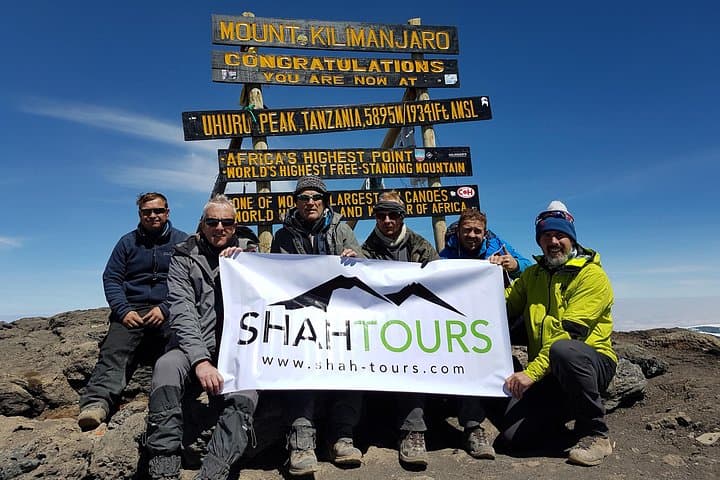
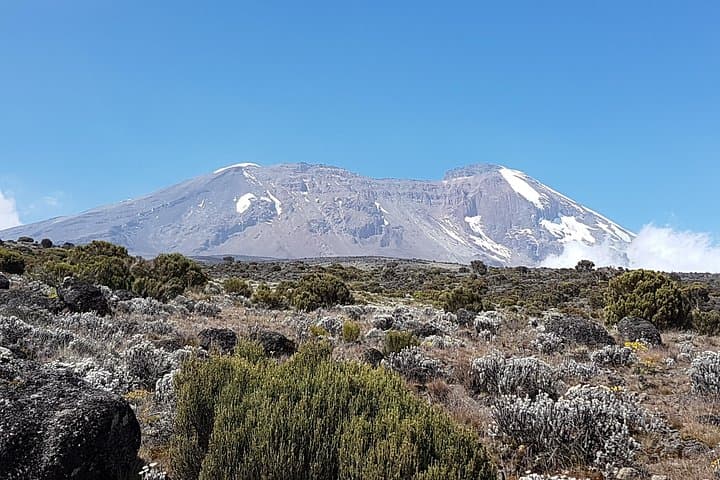
Geology writes the route’s chapters. Lemosho begins on rain forest soils, opens onto the heather and moorland of the Shira Plateau—an ancient caldera remnant—and skirts lava fields that record Kilimanjaro’s volcanic history. Kibo, the sleeping cone you’ll close on, is glaciated at the rim and reaches 5,895 m (19,341 ft), the highest point in Africa. The Lemosho approach is prized because it spreads that ascent across eight days, increasing acclimatization and giving you views of Mawenzi and the ragged Shira crest.
Culture and crew are as much a part of the climb as the trail. The Chagga people of Kilimanjaro’s foothills still tend coffee terraces in Moshi, and local climbing crews—guides, cooks, and porters—manage camps, meals, and safety with practiced choreography. Expect twice-daily health checks and oxygen available in groups; the company notes a 15 kg porter allowance per person for carry items.
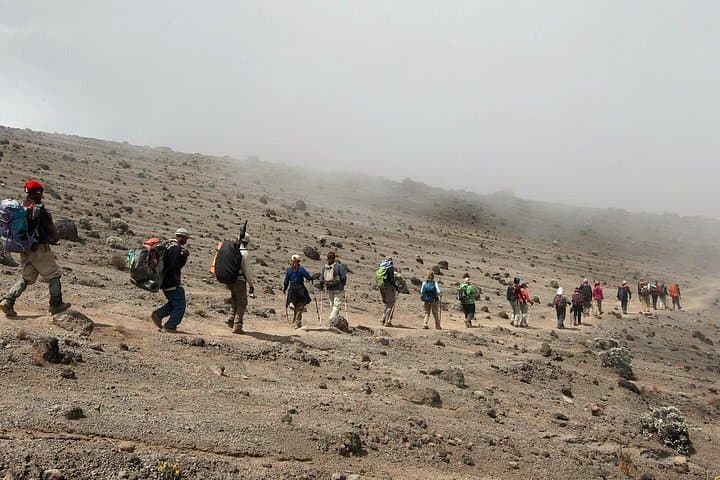
Practical guidance is straightforward: the route covers roughly 55–65 km round trip with a cumulative elevation gain of about 3,700 m. Most walking days are 4–8 hours; the summit push from Barafu begins around midnight and can take 10–12 hours roundtrip to Stella Point and Uhuru Peak. Terrain shifts from slick rainforest roots to loose volcanic scree and exposed alpine desert—bring sturdy boots and a slow, consistent pace. Hydration, layered insulation, and a functioning headlamp are non-negotiables. Night temperatures on the summit can plunge well below freezing; daytime sun on the high plateau is intense.
Acclimatization is the expedition’s hinge—Lemosho’s extra nights at Shira and Barranco are deliberate. Use them: hike to viewpoints, keep a light appetite, and monitor symptoms of acute mountain sickness. On descent, the forest returns with humid warmth and the celebratory noise of crews packing down tents.
Logistics are managed in Moshi with a pre-climb briefing; transfers to gates, camp setup, meals, and shared campsite permits are included. Best months are the dry seasons—January–March and June–October—but weather remains unpredictable. For a successful summit, train on long hikes with elevation gain, travel light in the pack, and respect the mountain’s slow rhythm: the climb rewards patience more than speed.
No; the Lemosho Route is non-technical. You’ll scramble at points (Barranco Wall) but no ropes or ice axes are required.
Success depends on fitness, acclimatization, and weather; Lemosho’s eight-day profile raises odds compared with shorter routes but summit is never guaranteed.
Porters typically carry one 15 kg duffel per person plus communal gear; keep valuables and summit layers in your daypack.
Carry a valid passport and check Tanzania entry requirements; yellow fever vaccination may be required if arriving from certain countries—confirm with your clinic.
Dry seasons (January–March and June–October) offer more stable weather, but Kilimanjaro’s weather is variable year-round.
Tipping is customary; commonly 10–20% of the tour cost distributed among the crew or approximately $15–$25 per day total per client—confirm company guidance.
Shah Tours Travel Ltd. operates guided outdoor trips and adventures with an emphasis on safety, stewardship, and memorable experiences.
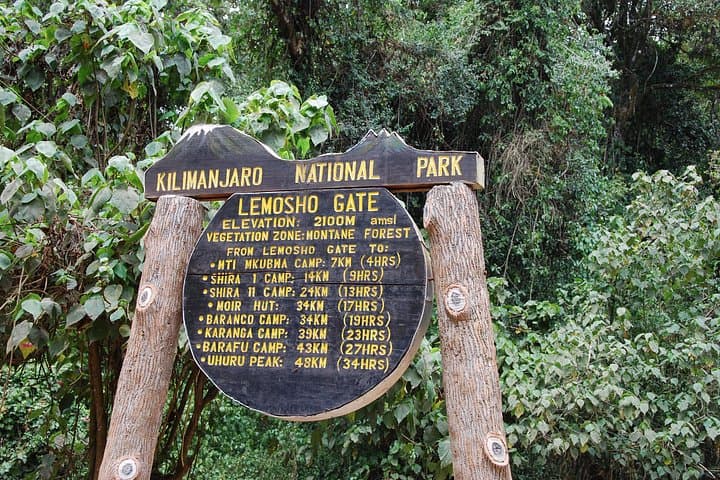
The dawn on Day One feels like a stage cue: headlamps bob as guides set up hot water and porters sort duffels beneath the high, dripping canopy. You leave Moshi behind in a vehicle that climbs into the western slopes, trading coffee farms for the dark, damp rainforest where the trail narrows and orchids and moss claim the trunks. By the time the tents are up at Mti Mkubwa (Big Tree) you can already hear the mountain’s timetable—slow, steady, insistently upward.
The dawn on Day One feels like a stage cue: headlamps bob as guides set up hot water and porters sort duffels beneath the high, dripping canopy. You leave Moshi behind in a vehicle that climbs into the western slopes, trading coffee farms for the dark, damp rainforest where the trail narrows and orchids and moss claim the trunks. By the time the tents are up at Mti Mkubwa (Big Tree) you can already hear the mountain’s timetable—slow, steady, insistently upward.
Geology writes the route’s chapters. Lemosho begins on rain forest soils, opens onto the heather and moorland of the Shira Plateau—an ancient caldera remnant—and skirts lava fields that record Kilimanjaro’s volcanic history. Kibo, the sleeping cone you’ll close on, is glaciated at the rim and reaches 5,895 m (19,341 ft), the highest point in Africa. The Lemosho approach is prized because it spreads that ascent across eight days, increasing acclimatization and giving you views of Mawenzi and the ragged Shira crest.
Culture and crew are as much a part of the climb as the trail. The Chagga people of Kilimanjaro’s foothills still tend coffee terraces in Moshi, and local climbing crews—guides, cooks, and porters—manage camps, meals, and safety with practiced choreography. Expect twice-daily health checks and oxygen available in groups; the company notes a 15 kg porter allowance per person for carry items.
Practical guidance is straightforward: the route covers roughly 55–65 km round trip with a cumulative elevation gain of about 3,700 m. Most walking days are 4–8 hours; the summit push from Barafu begins around midnight and can take 10–12 hours roundtrip to Stella Point and Uhuru Peak. Terrain shifts from slick rainforest roots to loose volcanic scree and exposed alpine desert—bring sturdy boots and a slow, consistent pace. Hydration, layered insulation, and a functioning headlamp are non-negotiables. Night temperatures on the summit can plunge well below freezing; daytime sun on the high plateau is intense.
Acclimatization is the expedition’s hinge—Lemosho’s extra nights at Shira and Barranco are deliberate. Use them: hike to viewpoints, keep a light appetite, and monitor symptoms of acute mountain sickness. On descent, the forest returns with humid warmth and the celebratory noise of crews packing down tents.
Logistics are managed in Moshi with a pre-climb briefing; transfers to gates, camp setup, meals, and shared campsite permits are included. Best months are the dry seasons—January–March and June–October—but weather remains unpredictable. For a successful summit, train on long hikes with elevation gain, travel light in the pack, and respect the mountain’s slow rhythm: the climb rewards patience more than speed.