THE ADVENTURE COLLECTIVE® · Independent discovery and booking for outdoor travel

An 8-day Lemosho traverse from Londorossi to Uhuru Peak that balances gradual acclimatization with classic route highlights—Shira Plateau, Lava Tower, Barranco Wall and Barafu. Expect varied terrain, long summit pushes, and professional guides handling permits and camps.
An 8-day Lemosho traverse from Londorossi to Uhuru Peak that balances gradual acclimatization with classic route highlights—Shira Plateau, Lava Tower, Barranco Wall and Barafu. Expect varied terrain, long summit pushes, and professional guides handling permits and camps.
You step off the vehicle at Londorossi Gate and the forest swallows city noise. The trail winds through moss-draped trees, opens onto moorland, then climbs the Shira Ridge where wind and sky argue over the summit’s snowy crown.
Verified experiences and guided adventures in the surrounding area.
Operated by AFRICA NATURAL TOURS · Moshi, Kilimanjaro
You step off the vehicle at Londorossi Gate and the forest swallows city noise. The trail winds through moss-draped trees, opens onto moorland, then climbs the Shira Ridge where wind and sky argue over the summit’s snowy crown.
The Lemosho route approaches Kilimanjaro from the west, tracing ancient lava flows and the eroded rim of the extinct Shira volcano. Geologically Kibo—Kilimanjaro’s central cone—rises from a volcanic shield; Cathedral Peak and Lava Tower are volcanic landmarks that mark the mountain’s layered past. The area sits on Chagga country; local guides and porters bring practical knowledge and stories about the mountain’s place in regional culture and agriculture.
Expect a deliberate, altitude-focused itinerary: gentle first days across rainforest and moorland, mid-trek acclimatization at Cathedral Peak and Lava Tower, then the technical push from Barafu toward Uhuru Peak and a long descent to Mweka Gate. Weather swings fast—sun, sleet, and thin air trade places in a single day. Nights are camped out on sleeping mattresses in established sites with hot meals provided.
Practical guidance: train with long uphill hikes and back-to-back days; prioritize slow ascent and hydration to limit acute mountain sickness. Bring layered clothing for sub-zero summit conditions, a reliable sleeping setup, and a headlamp for summit starts around midnight. Book permits and experienced guides; they handle route logistics, camping gear, and safety. Aim for the dry windows (January–February or June–October) and allow rest days before and after the trek in Moshi. The route rewards patience: sweeping summit views, close study of alpine desert, and the quiet competence of a well-run expedition.
Previous high-altitude trekking experience is strongly recommended; the route’s gradual profile helps acclimatize but the summit reaches 5,895 m (19,341 ft).
Yes—this itinerary includes quality tent camping, sleeping mattresses, and meals provided by the operator and crew.
The main dry seasons are January–February and June–October; these windows have more stable weather and clearer summit views.
Summit day is long—often 8–16 hours round trip—and the descent is physically demanding but faster; expect sore knees and plan for rest after reaching Mweka Gate.
AFRICA NATURAL TOURS operates guided outdoor trips and adventures with an emphasis on safety, stewardship, and memorable experiences.
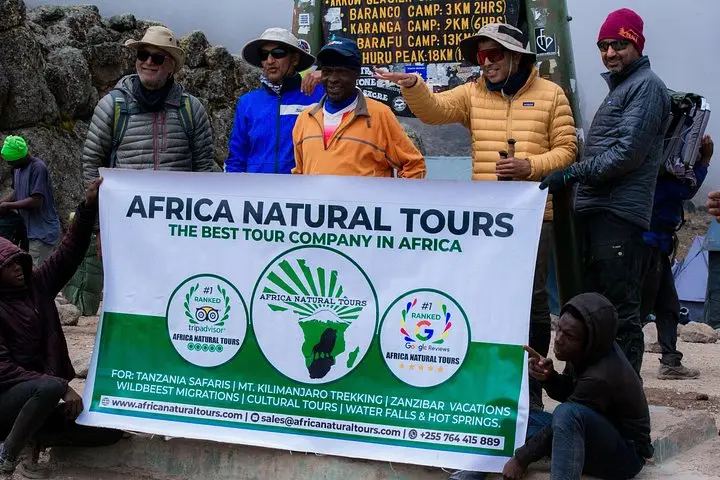
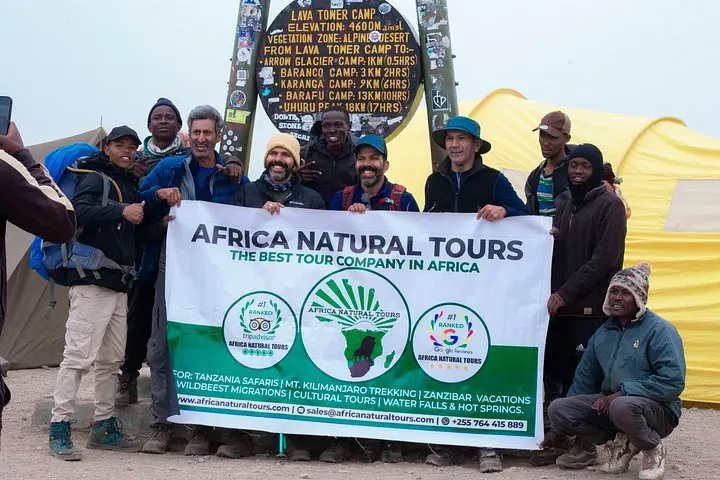
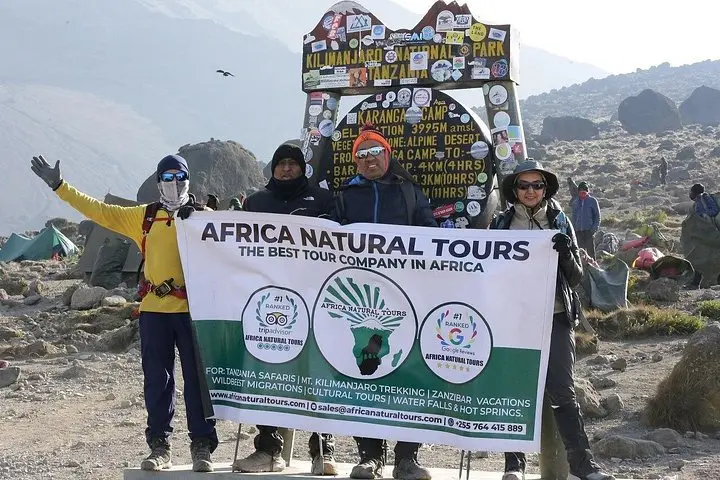
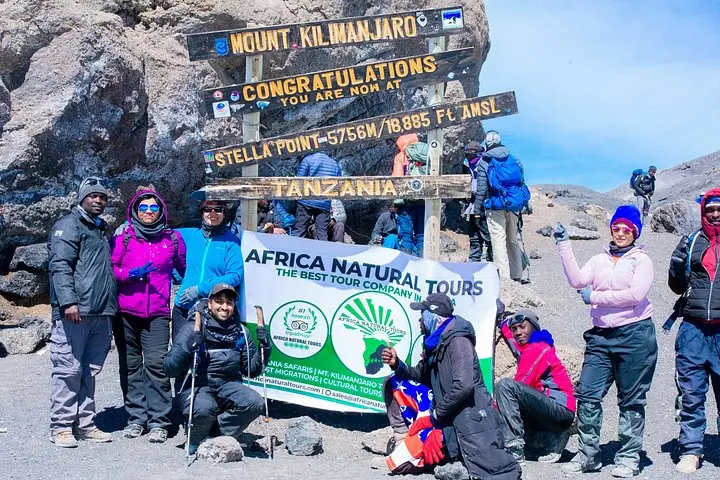
You step off the vehicle at Londorossi Gate and the forest swallows city noise. The trail winds through moss-draped trees, opens onto moorland, then climbs the Shira Ridge where wind and sky argue over the summit’s snowy crown.
You step off the vehicle at Londorossi Gate and the forest swallows city noise. The trail winds through moss-draped trees, opens onto moorland, then climbs the Shira Ridge where wind and sky argue over the summit’s snowy crown.
The Lemosho route approaches Kilimanjaro from the west, tracing ancient lava flows and the eroded rim of the extinct Shira volcano. Geologically Kibo—Kilimanjaro’s central cone—rises from a volcanic shield; Cathedral Peak and Lava Tower are volcanic landmarks that mark the mountain’s layered past. The area sits on Chagga country; local guides and porters bring practical knowledge and stories about the mountain’s place in regional culture and agriculture.
Expect a deliberate, altitude-focused itinerary: gentle first days across rainforest and moorland, mid-trek acclimatization at Cathedral Peak and Lava Tower, then the technical push from Barafu toward Uhuru Peak and a long descent to Mweka Gate. Weather swings fast—sun, sleet, and thin air trade places in a single day. Nights are camped out on sleeping mattresses in established sites with hot meals provided.
Practical guidance: train with long uphill hikes and back-to-back days; prioritize slow ascent and hydration to limit acute mountain sickness. Bring layered clothing for sub-zero summit conditions, a reliable sleeping setup, and a headlamp for summit starts around midnight. Book permits and experienced guides; they handle route logistics, camping gear, and safety. Aim for the dry windows (January–February or June–October) and allow rest days before and after the trek in Moshi. The route rewards patience: sweeping summit views, close study of alpine desert, and the quiet competence of a well-run expedition.