THE ADVENTURE COLLECTIVE® · Independent discovery and booking for outdoor travel

Choose the Lemosho eight‑day variation and the mountain stops feeling like an assault and starts to feel like a steady conversation. This route uses the Shira Plateau and Moir Hut to buy time for acclimatization, making summit day more achievable for well‑prepared trekkers.
Choose the Lemosho eight‑day variation and the mountain stops feeling like an assault and starts to feel like a steady conversation. This route uses the Shira Plateau and Moir Hut to buy time for acclimatization, making summit day more achievable for well‑prepared trekkers.
The day begins before dawn in Moshi with diesel engines, rucksacks, and the low murmur of porters; by midday the road gives way to mountain air and a trail threaded through moss-draped forest. On the Lemosho route the mountain reveals itself slowly — a flank of volcanic rock towering above grassland — and the first night at Forest Camp already feels like a checkpoint between two worlds: tropical foothills below and a thin, high desert above.
Verified experiences and guided adventures in the surrounding area.
Operated by Three Peaks Tanzania Safari ltd · Moshi, Kilimanjaro Region
The day begins before dawn in Moshi with diesel engines, rucksacks, and the low murmur of porters; by midday the road gives way to mountain air and a trail threaded through moss-draped forest. On the Lemosho route the mountain reveals itself slowly — a flank of volcanic rock towering above grassland — and the first night at Forest Camp already feels like a checkpoint between two worlds: tropical foothills below and a thin, high desert above.
The route’s character is geological as much as it is cultural. Lemosho approaches Kilimanjaro from the west across the Shira Plateau, one of the highest volcanic plateaus on Earth, carved by ancient lava flows and floored by heather and giant lobelia. Kibo’s ragged summit rim, sculpted by glaciers and time, dominates the skyline; at 19,345 feet Uhuru Peak sits where explorers and climbers have tested themselves since Hans Meyer and Ludwig Purtscheller led the first recorded ascent in 1889. The slopes also pass through Chaga farmland and remnant montane forest where local guides read weather patterns like a second language.
The itinerary is deliberate: day two is a measured 2,000-foot gain to Shira Camp 1, and day three spends east across the plateau toward Moir Hut (13,800 ft), an underused site that offers crucial acclimatization. From Lava Tower you drop into Barranco, negotiate the technical Barranco Wall, and spend a short but careful day to Karanga before pushing to Barafu and the midnight summit push through scree to Stella Point and, finally, Uhuru.
Practicalities matter more than romance here. Expect steep scree above 15,000 feet, loose volcanic gravel on the descent, and thin air that makes your pace half what it is at sea level. Hydration, slow step cadence, and regular rest breaks are your tools; the extra day on this eight-day itinerary is the single biggest advantage over shorter schedules.
Packing is straightforward: layered insulation, a reliable sleeping bag rated to at least -10°C, and well-broken-in boots. Gaiters and trekking poles dramatically reduce knee strain on the long descent to Mweka. Park fees, rescue coverage, meals on the mountain, and professional guides are typically included, but tipping for porters and guides is part of the local economy and expected.
Timing is seasonal: the clearest windows are January–February and August–October, but weather is mountain weather — sudden snow, wind, and fog are all possible. Physically the route demands sustained endurance, comfort with long days of uphill hiking, and respect for altitude. For climbers who want a methodical, high-probability plan to reach the roof of Africa, the Lemosho eight-day variation is a balanced, smart choice: it gives the mountain time to teach you how to climb it.
Summit day starts around 2am with a sustained ascent through scree to Stella Point and then Uhuru Peak; expect 6–10 hours up and 3–5 hours descending depending on fitness and pace.
Yes—acute mountain sickness can affect anyone; the eight-day Lemosho adds an extra acclimatization day which lowers the risk but does not eliminate it—monitor symptoms and follow guide instructions.
Most operators include all Park fees, rescue fees, camping fees, and guide salaries in the package—confirm in writing before booking.
You should have regular aerobic training, be comfortable hiking 6–8 hours with elevation gain, and have experience with multi-day backpacking or long hill sessions.
Meals on the mountain are typically full, hot meals served in mess tents; camping is in two-person tents with mattresses provided—bring your own sleeping bag rated to at least -10°C.
Tipping is customary and an important part of local income; budget for guides, assistant guides, and porters—many groups recommend a pooled tip distributed at the end of the trek.
Three Peaks Tanzania Safari ltd operates guided outdoor trips and adventures with an emphasis on safety, stewardship, and memorable experiences.
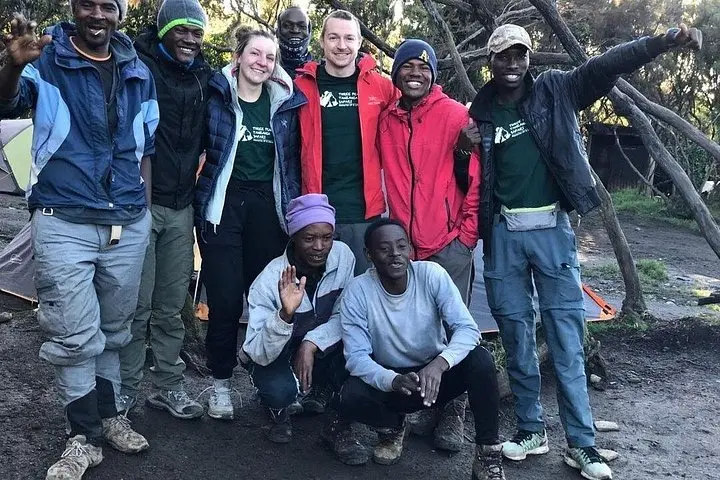
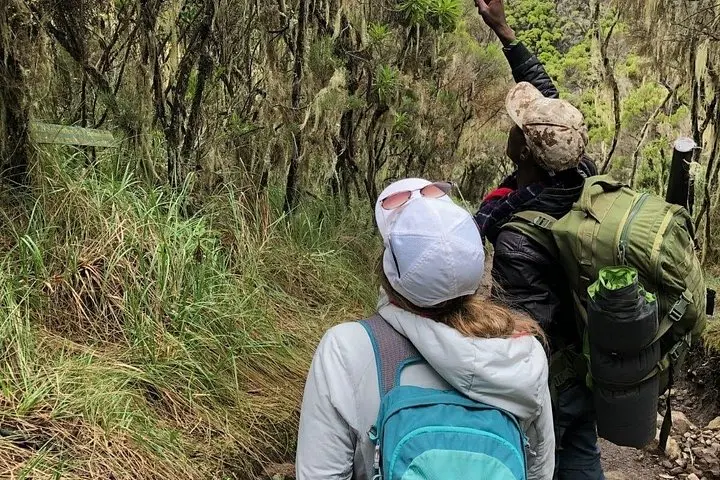
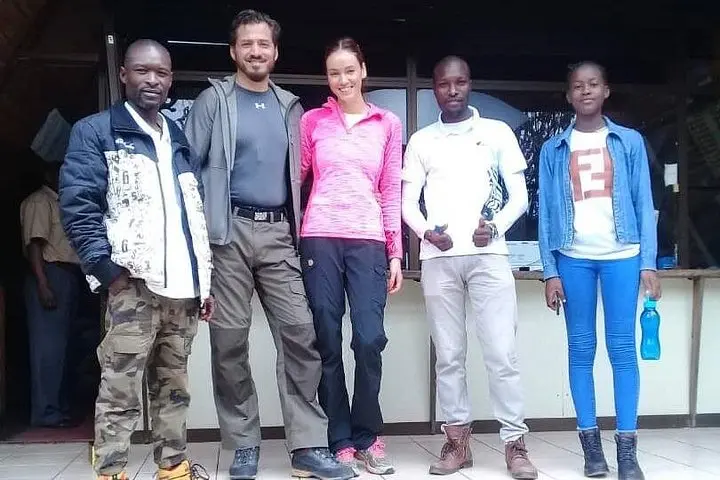
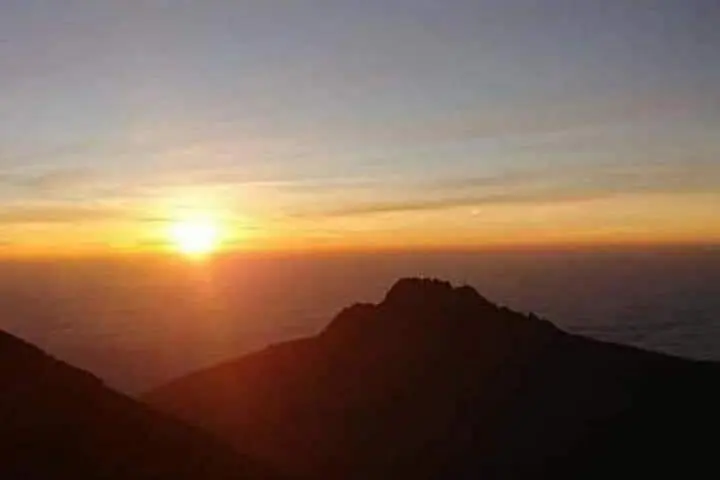
The day begins before dawn in Moshi with diesel engines, rucksacks, and the low murmur of porters; by midday the road gives way to mountain air and a trail threaded through moss-draped forest. On the Lemosho route the mountain reveals itself slowly — a flank of volcanic rock towering above grassland — and the first night at Forest Camp already feels like a checkpoint between two worlds: tropical foothills below and a thin, high desert above.
The day begins before dawn in Moshi with diesel engines, rucksacks, and the low murmur of porters; by midday the road gives way to mountain air and a trail threaded through moss-draped forest. On the Lemosho route the mountain reveals itself slowly — a flank of volcanic rock towering above grassland — and the first night at Forest Camp already feels like a checkpoint between two worlds: tropical foothills below and a thin, high desert above.
The route’s character is geological as much as it is cultural. Lemosho approaches Kilimanjaro from the west across the Shira Plateau, one of the highest volcanic plateaus on Earth, carved by ancient lava flows and floored by heather and giant lobelia. Kibo’s ragged summit rim, sculpted by glaciers and time, dominates the skyline; at 19,345 feet Uhuru Peak sits where explorers and climbers have tested themselves since Hans Meyer and Ludwig Purtscheller led the first recorded ascent in 1889. The slopes also pass through Chaga farmland and remnant montane forest where local guides read weather patterns like a second language.
The itinerary is deliberate: day two is a measured 2,000-foot gain to Shira Camp 1, and day three spends east across the plateau toward Moir Hut (13,800 ft), an underused site that offers crucial acclimatization. From Lava Tower you drop into Barranco, negotiate the technical Barranco Wall, and spend a short but careful day to Karanga before pushing to Barafu and the midnight summit push through scree to Stella Point and, finally, Uhuru.
Practicalities matter more than romance here. Expect steep scree above 15,000 feet, loose volcanic gravel on the descent, and thin air that makes your pace half what it is at sea level. Hydration, slow step cadence, and regular rest breaks are your tools; the extra day on this eight-day itinerary is the single biggest advantage over shorter schedules.
Packing is straightforward: layered insulation, a reliable sleeping bag rated to at least -10°C, and well-broken-in boots. Gaiters and trekking poles dramatically reduce knee strain on the long descent to Mweka. Park fees, rescue coverage, meals on the mountain, and professional guides are typically included, but tipping for porters and guides is part of the local economy and expected.
Timing is seasonal: the clearest windows are January–February and August–October, but weather is mountain weather — sudden snow, wind, and fog are all possible. Physically the route demands sustained endurance, comfort with long days of uphill hiking, and respect for altitude. For climbers who want a methodical, high-probability plan to reach the roof of Africa, the Lemosho eight-day variation is a balanced, smart choice: it gives the mountain time to teach you how to climb it.