THE ADVENTURE COLLECTIVE® · Independent discovery and booking for outdoor travel
Set out from rainforest to rim on the Lemosho Route: an eight-day Kilimanjaro trek that favors acclimatization, wide views and a high summit success rate. Read on for itinerary highlights and practical advice.
Set out from rainforest to rim on the Lemosho Route: an eight-day Kilimanjaro trek that favors acclimatization, wide views and a high summit success rate. Read on for itinerary highlights and practical advice.
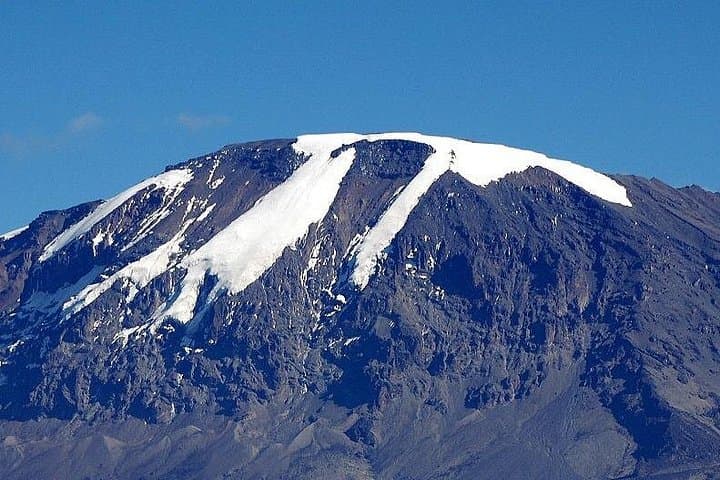
The first light on the Lemosho Glades slices through mist and giant lobelia as porters tighten straps and the trail breathes awake. You begin at Londorossi Gate (2,250 m), head into the emerald congestion of montane forest and, over eight days, climb from the green noise of the rainforest into a wind-scoured world of scree and snow. The Lemosho route approaches Kilimanjaro from the west, threading the Shira Plateau and looping east to meet the final push up the Barafu ridge—an itinerary that balances slow acclimatization with wide-open panoramas.
Verified experiences and guided adventures in the surrounding area.
Operated by Rede Tours and Safaris (Amore African Safari LTD) · Moshi, Kilimanjaro Region
The first light on the Lemosho Glades slices through mist and giant lobelia as porters tighten straps and the trail breathes awake. You begin at Londorossi Gate (2,250 m), head into the emerald congestion of montane forest and, over eight days, climb from the green noise of the rainforest into a wind-scoured world of scree and snow. The Lemosho route approaches Kilimanjaro from the west, threading the Shira Plateau and looping east to meet the final push up the Barafu ridge—an itinerary that balances slow acclimatization with wide-open panoramas.
This route is relatively new compared with Marangu or Machame, laid out along the remains of old volcanic flows and across the flat Shira Plateau at roughly 3,600 m. Geologically, you move from ash and volcanic tuff on the plateau to the exposed lava flow at Lava Tower (4,630 m), a chunky remnant of the mountain’s long volcanic history. Culturally, the climb is threaded with Chagga hospitality: porters, cooks and guides from Moshi and the Kilimanjaro foothills create a moving village that makes the summit possible.
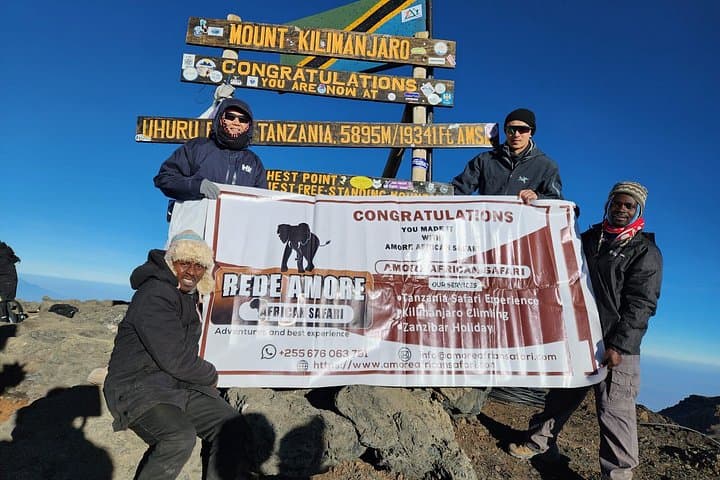
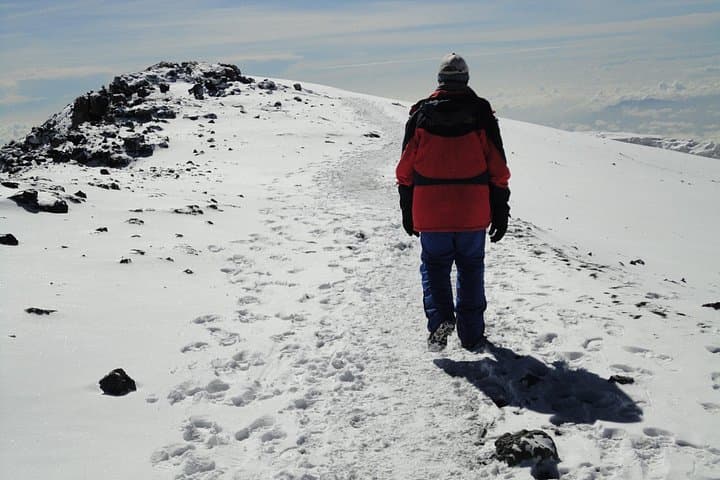
Days on Lemosho are deliberate—shorter morning climbs through forest, a long plateau day to Shira, an acclimatization day of moderate walking, then the steady gain to Lava Tower and descent to Barranco. The summit night begins around midnight from Barafu Hut; climbers push through loose scree and, if weather allows, cross the crater rim at Stella Point (5,685 m) to Uhuru Peak (5,895 m).
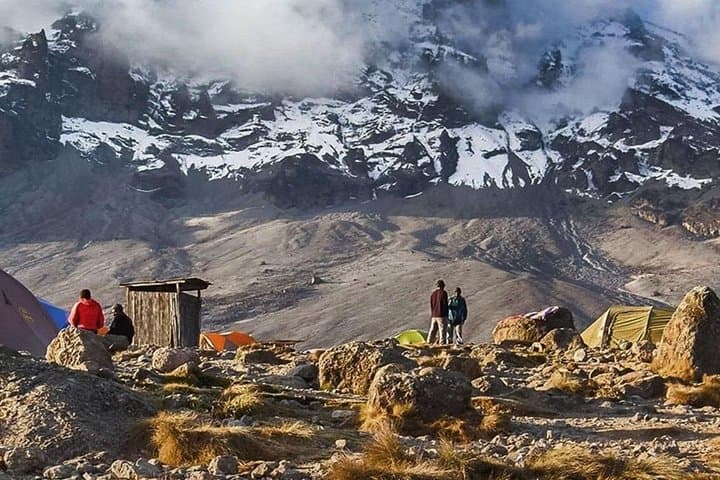
Practically, expect 3–8 hours of walking most days, with a summit day that can be 10–16 hours including ascent and descent. Key logistics: a 2.5-hour transfer from Moshi to Londorossi Gate, predictable tent camping each night, and the final descent out Mweka Gate with hot lunch and certificates. Altitude is the real variable—Lemosho’s success rate improves because it gives extra days on the plateau for your body to adjust.
Pack for temperature swings: humid and warm in the rainforest, bone-dry and freezing near the summit. Footwear with good ankle support, crampon-capable boots if snow is likely, and layered insulation are non-negotiable. Hydrate early and often—your guides will remind you—and listen to them on pacing; many summit attempts falter from pushing too fast.
If you want scenery, lower crowds, and a higher chance of reaching Uhuru Peak, Lemosho is a practical, beautiful choice. It asks for patience and preparation; in return it gives expansive skies, rock-scarred highlands, and one of the most memorable summit experiences on Earth.
You should have good aerobic conditioning and experience with multi-day hikes; the route is non-technical but altitude and long days make fitness important.
June to October are the main dry months with more stable weather; avoid long rains (March–May) if possible.
No technical climbing skills are required; crampons and ice axe are rarely necessary but sturdy boots and trekking poles are essential.
Altitude sickness is possible at elevations above 3,000 m; the Lemosho route’s extra acclimatization days reduce risk but you must monitor symptoms and follow guide advice.
Typical inclusions are park fees, meals as listed, camping equipment, guide and porter support; verify specifics with your operator before booking.
Tipping is customary—budget roughly 10–20% of the trip price split among the trekking crew or follow the operator’s suggested guideline.
Rede Tours and Safaris (Amore African Safari LTD) operates guided outdoor trips and adventures with an emphasis on safety, stewardship, and memorable experiences.
The first light on the Lemosho Glades slices through mist and giant lobelia as porters tighten straps and the trail breathes awake. You begin at Londorossi Gate (2,250 m), head into the emerald congestion of montane forest and, over eight days, climb from the green noise of the rainforest into a wind-scoured world of scree and snow. The Lemosho route approaches Kilimanjaro from the west, threading the Shira Plateau and looping east to meet the final push up the Barafu ridge—an itinerary that balances slow acclimatization with wide-open panoramas.
The first light on the Lemosho Glades slices through mist and giant lobelia as porters tighten straps and the trail breathes awake. You begin at Londorossi Gate (2,250 m), head into the emerald congestion of montane forest and, over eight days, climb from the green noise of the rainforest into a wind-scoured world of scree and snow. The Lemosho route approaches Kilimanjaro from the west, threading the Shira Plateau and looping east to meet the final push up the Barafu ridge—an itinerary that balances slow acclimatization with wide-open panoramas.
This route is relatively new compared with Marangu or Machame, laid out along the remains of old volcanic flows and across the flat Shira Plateau at roughly 3,600 m. Geologically, you move from ash and volcanic tuff on the plateau to the exposed lava flow at Lava Tower (4,630 m), a chunky remnant of the mountain’s long volcanic history. Culturally, the climb is threaded with Chagga hospitality: porters, cooks and guides from Moshi and the Kilimanjaro foothills create a moving village that makes the summit possible.
Days on Lemosho are deliberate—shorter morning climbs through forest, a long plateau day to Shira, an acclimatization day of moderate walking, then the steady gain to Lava Tower and descent to Barranco. The summit night begins around midnight from Barafu Hut; climbers push through loose scree and, if weather allows, cross the crater rim at Stella Point (5,685 m) to Uhuru Peak (5,895 m).
Practically, expect 3–8 hours of walking most days, with a summit day that can be 10–16 hours including ascent and descent. Key logistics: a 2.5-hour transfer from Moshi to Londorossi Gate, predictable tent camping each night, and the final descent out Mweka Gate with hot lunch and certificates. Altitude is the real variable—Lemosho’s success rate improves because it gives extra days on the plateau for your body to adjust.
Pack for temperature swings: humid and warm in the rainforest, bone-dry and freezing near the summit. Footwear with good ankle support, crampon-capable boots if snow is likely, and layered insulation are non-negotiable. Hydrate early and often—your guides will remind you—and listen to them on pacing; many summit attempts falter from pushing too fast.
If you want scenery, lower crowds, and a higher chance of reaching Uhuru Peak, Lemosho is a practical, beautiful choice. It asks for patience and preparation; in return it gives expansive skies, rock-scarred highlands, and one of the most memorable summit experiences on Earth.
