THE ADVENTURE COLLECTIVE® · Independent discovery and booking for outdoor travel

An 8-day Lemosho ascent offers scenery, careful acclimatization and high summit success—forest trails, Shira Plateau ridgelines and a midnight push to Uhuru Peak. Read practical tips on pacing, gear and when to go.
An 8-day Lemosho ascent offers scenery, careful acclimatization and high summit success—forest trails, Shira Plateau ridgelines and a midnight push to Uhuru Peak. Read practical tips on pacing, gear and when to go.
The trail begins in the hush of a Tanzanian morning: guides and porters shoulder bright packs, tea steams from tin cups, and the rainforest at Lemosho Gate presses cool and wet against your legs. On day one the path threads through a cathedral of moss-draped trunks, and by the second day the forest falls away to reveal the Shira Plateau—broad, wind-scoured and startlingly open. The route moves steadily higher, through heath and moorland to lunar high desert, where Kibo’s black silhouette dominates the sky.
Verified experiences and guided adventures in the surrounding area.
Operated by Tupae Adventures · Moshi, Kilimanjaro Region
The trail begins in the hush of a Tanzanian morning: guides and porters shoulder bright packs, tea steams from tin cups, and the rainforest at Lemosho Gate presses cool and wet against your legs. On day one the path threads through a cathedral of moss-draped trunks, and by the second day the forest falls away to reveal the Shira Plateau—broad, wind-scoured and startlingly open. The route moves steadily higher, through heath and moorland to lunar high desert, where Kibo’s black silhouette dominates the sky.
Lemosho is a modern favorite for climbers seeking higher summit success and more varied scenery. The route approaches Kilimanjaro from the west, offering long ridge walks across the ancient Shira caldera before joining the southern circuit and the classic summit push from Barafu. Kilimanjaro itself is a stratovolcano: layers of lava and ash laid down over hundreds of thousands of years, capped by glaciers that have been retreating for decades.
This trek is as much cultural as it is geological. Guides are typically Tanzanian, many from Chagga communities on Kilimanjaro’s lower slopes, and their knowledge—how to read a weather shift, when to string short breaks for group morale—shapes your chances of summiting. Camps are practical: dome tents, hot dinners prepared by a climbing cook, and the steady hum of crew life as tarps are struck each morning.
Practicality dictates the rhythm here. Distances vary: early days are 7–12 km with altitude gains of a few hundred meters; the pivotal high adjustment day climbs to 4,600 m at Lava Tower then drops to Barranco for rest. Summit night starts around midnight from Barafu (4,673 m), climbing pole-pole to Stella Point and Uhuru Peak (5,895 m) at sunrise, then descending to Mweka for recovery.
Prepare for temperature swings—wet forest heat to sub-zero alpine nights. Hydration and packing light matter: water and snacks inside your jacket on summit night prevent freezing, and layered clothing lets you shed weight as the day warms. No technical climbing skills are required, but steady fitness and respect for altitude are non-negotiable. Allow extra days in your schedule for travel contingencies and let guides set the summit plan—experience and local judgment are your best safety net.
The Lemosho route rewards the patient: long ridge panoramas, the dramatic Barranco Wall scramble, and that surreal sunrise from Uhuru Peak. It’s a physical test and an intimate encounter with one of Africa’s most compelling landscapes—an expedition that asks for preparation, steadiness, and a little humility before the mountain.
No technical skills are required; the route is a strenuous hike and scramble in places but managed by guides and porters.
The 8-day Lemosho route is designed to improve acclimatization and summit odds, but success depends on fitness, acclimatization response and weather.
Guides monitor symptoms, use descent and rest for treatment, and the operator includes rescue fees; communicate symptoms early—descent is the primary remedy.
Camping in shared two-person tents with foam sleeping mats; meals are communal in a mess tent or sheltered area.
Dry seasons—late June to October and January to mid-March—offer more stable weather and clearer summit chances.
Yes—this package includes all Kilimanjaro National Park gate fees, camping fees and climbing permits as listed.
Tupae Adventures operates guided outdoor trips and adventures with an emphasis on safety, stewardship, and memorable experiences.
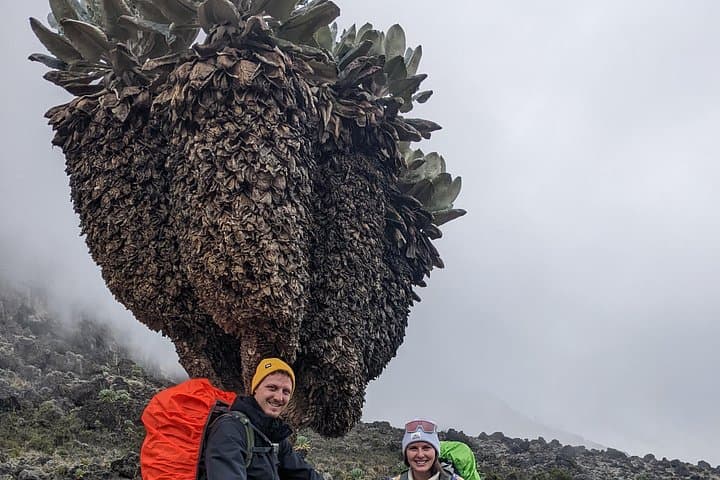
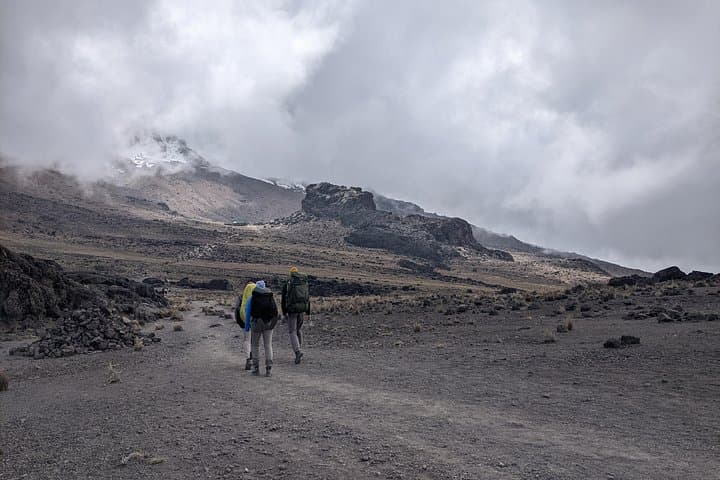
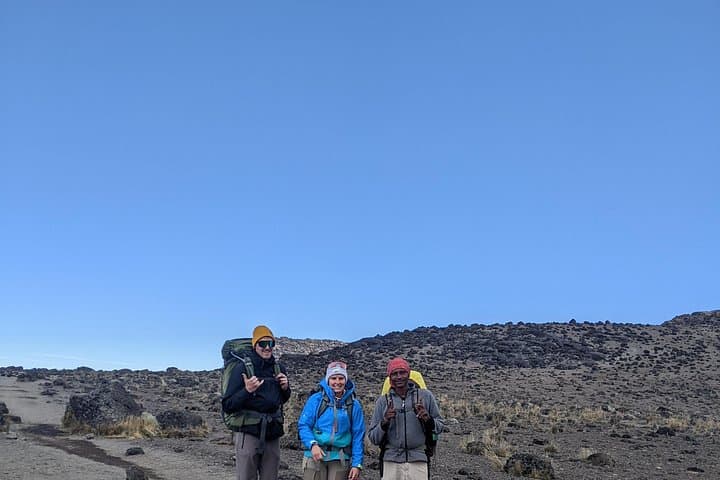
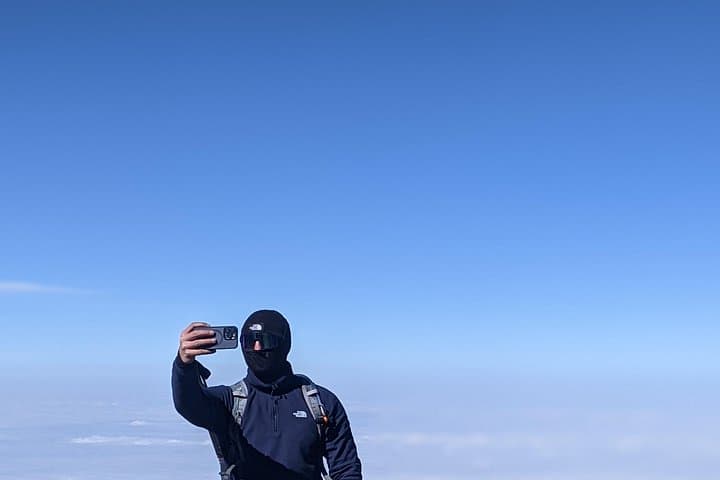
The trail begins in the hush of a Tanzanian morning: guides and porters shoulder bright packs, tea steams from tin cups, and the rainforest at Lemosho Gate presses cool and wet against your legs. On day one the path threads through a cathedral of moss-draped trunks, and by the second day the forest falls away to reveal the Shira Plateau—broad, wind-scoured and startlingly open. The route moves steadily higher, through heath and moorland to lunar high desert, where Kibo’s black silhouette dominates the sky.
The trail begins in the hush of a Tanzanian morning: guides and porters shoulder bright packs, tea steams from tin cups, and the rainforest at Lemosho Gate presses cool and wet against your legs. On day one the path threads through a cathedral of moss-draped trunks, and by the second day the forest falls away to reveal the Shira Plateau—broad, wind-scoured and startlingly open. The route moves steadily higher, through heath and moorland to lunar high desert, where Kibo’s black silhouette dominates the sky.
Lemosho is a modern favorite for climbers seeking higher summit success and more varied scenery. The route approaches Kilimanjaro from the west, offering long ridge walks across the ancient Shira caldera before joining the southern circuit and the classic summit push from Barafu. Kilimanjaro itself is a stratovolcano: layers of lava and ash laid down over hundreds of thousands of years, capped by glaciers that have been retreating for decades.
This trek is as much cultural as it is geological. Guides are typically Tanzanian, many from Chagga communities on Kilimanjaro’s lower slopes, and their knowledge—how to read a weather shift, when to string short breaks for group morale—shapes your chances of summiting. Camps are practical: dome tents, hot dinners prepared by a climbing cook, and the steady hum of crew life as tarps are struck each morning.
Practicality dictates the rhythm here. Distances vary: early days are 7–12 km with altitude gains of a few hundred meters; the pivotal high adjustment day climbs to 4,600 m at Lava Tower then drops to Barranco for rest. Summit night starts around midnight from Barafu (4,673 m), climbing pole-pole to Stella Point and Uhuru Peak (5,895 m) at sunrise, then descending to Mweka for recovery.
Prepare for temperature swings—wet forest heat to sub-zero alpine nights. Hydration and packing light matter: water and snacks inside your jacket on summit night prevent freezing, and layered clothing lets you shed weight as the day warms. No technical climbing skills are required, but steady fitness and respect for altitude are non-negotiable. Allow extra days in your schedule for travel contingencies and let guides set the summit plan—experience and local judgment are your best safety net.
The Lemosho route rewards the patient: long ridge panoramas, the dramatic Barranco Wall scramble, and that surreal sunrise from Uhuru Peak. It’s a physical test and an intimate encounter with one of Africa’s most compelling landscapes—an expedition that asks for preparation, steadiness, and a little humility before the mountain.