THE ADVENTURE COLLECTIVE® · Independent discovery and booking for outdoor travel

An eight-day guided climb up Kilimanjaro’s Lemosho Route that balances scenic variety and acclimatization. Expect rainforest, high moorland, the Barranco Wall, and a midnight summit push to Uhuru Peak.
An eight-day guided climb up Kilimanjaro’s Lemosho Route that balances scenic variety and acclimatization. Expect rainforest, high moorland, the Barranco Wall, and a midnight summit push to Uhuru Peak.
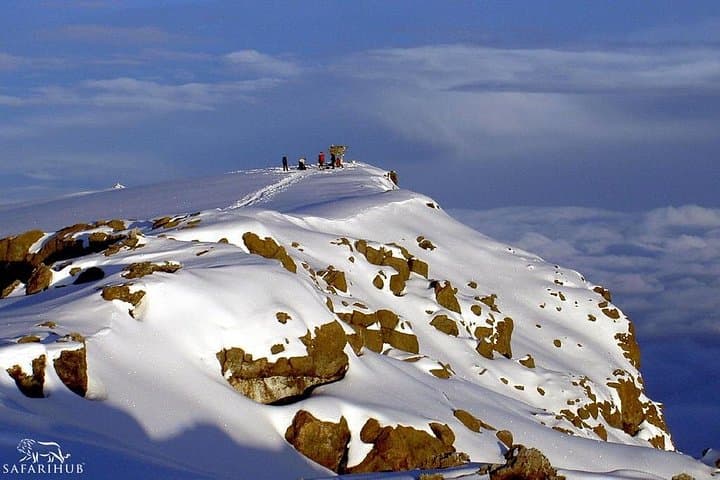
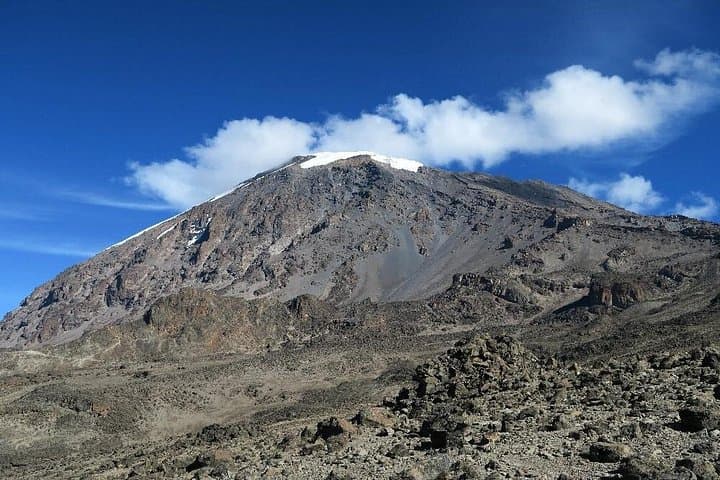
When the minibus eases out of Arusha before dawn you feel the lowland heat peel away as the road climbs toward Kilimanjaro’s western flanks. The first day’s trail drops you into old-growth forest where colobus monkeys throw shadowed shapes through giant fig trees and the air is damp with moss. That green curtain opens over successive days to heather-studded moorland, the broad Shira Plateau, and finally a moonscape of volcanic scree above Barafu where the summit—Uhuru Peak at 5,895 m—waits like a bright, hard edge on the sky.
Verified experiences and guided adventures in the surrounding area.
Operated by TaraLight Safari Tours · Arusha, Arusha Region
When the minibus eases out of Arusha before dawn you feel the lowland heat peel away as the road climbs toward Kilimanjaro’s western flanks. The first day’s trail drops you into old-growth forest where colobus monkeys throw shadowed shapes through giant fig trees and the air is damp with moss. That green curtain opens over successive days to heather-studded moorland, the broad Shira Plateau, and finally a moonscape of volcanic scree above Barafu where the summit—Uhuru Peak at 5,895 m—waits like a bright, hard edge on the sky.
The Lemosho Route is longer and less crowded than Marangu or Machame, trading a steeper profile for better acclimatization and more varied terrain. Geologically Kilimanjaro is a stratovolcano complex—Kibo is the dormant cone you climb, Mawenzi a ragged satellite. The route passes the Shira Plateau, a sun-burned highland that records ancient lava flows and the Lava Tower, a volcanic plug that makes a natural rest stop. Culturally the mountain has been part of Chagga life for generations; guides and porters from nearby villages maintain routes, camps, and the logistics that make a multi-day summit possible.
On the trail you measure progress in altitude and in small landscapes: the rainforest’s tight canopy, then the giant lobelias and senecios staring down from moorland, then the brittle, wind-swept alpine desert. The Barranco Wall imposes a short, hands-on scramble that tests legs and focus; Barafu’s ridge is a cold, exposed prep area for the midnight push. Summit night starts around midnight—strings of headlamps climbing through a star-sparse sky—and reaches sunrise atop Uhuru, where air is thin and the crater rim cuts a clean, icy silhouette.
Practical edge: the itinerary spaces nights to help acclimatize—use it. Hydrate proactively, eat regular calories, and walk slow on summit night. Sturdy, broken-in hiking boots, layered clothing rated to -20°C at night, and a sleeping bag certified to -15°C are the minimum. Porters carry tents and much of your kit; tip appropriately and pack light.
Permits, guide fees, and park rules are handled on arrival; the operator’s eight-day plan gives a higher summit success rate because of the extra acclimatization night at Karanga. Watch for altitude illness—persistent headache, nausea, or dizziness—and communicate immediately with guides.
If you want silence, aim for shoulder-season departures (Jan–Mar or Jun–Oct). Expect everything from swampy jungle to wind-buffeted scree in the same week, and remember the reward: a sunrise that pushes the horizon wide and makes the long, hard climb make sense.
No technical climbing is required—this is non-technical high-altitude trekking—but previous multi-day hiking and stamina are strongly recommended.
The best weather windows are January–March and June–October (drier months) which offer clearer skies and higher summit success.
Acute mountain sickness (headache, nausea, fatigue) is the primary risk; guides monitor symptoms, enforce slow pace, and provide descent if needed; communicate early.
Common practice is around 10–15% of the tour price split among staff; many climbers budget $150–200 total for an 8-day climb, adjusted by group size and service.
Most operators include park permits, hut fees, and guide wages in the advertised package—confirm at booking and carry ID for registration at the gate.
Sturdy insulated boots are useful for summit night; layer with warm socks and gaiters for protection against scree and cold.
TaraLight Safari Tours operates guided outdoor trips and adventures with an emphasis on safety, stewardship, and memorable experiences.


When the minibus eases out of Arusha before dawn you feel the lowland heat peel away as the road climbs toward Kilimanjaro’s western flanks. The first day’s trail drops you into old-growth forest where colobus monkeys throw shadowed shapes through giant fig trees and the air is damp with moss. That green curtain opens over successive days to heather-studded moorland, the broad Shira Plateau, and finally a moonscape of volcanic scree above Barafu where the summit—Uhuru Peak at 5,895 m—waits like a bright, hard edge on the sky.
When the minibus eases out of Arusha before dawn you feel the lowland heat peel away as the road climbs toward Kilimanjaro’s western flanks. The first day’s trail drops you into old-growth forest where colobus monkeys throw shadowed shapes through giant fig trees and the air is damp with moss. That green curtain opens over successive days to heather-studded moorland, the broad Shira Plateau, and finally a moonscape of volcanic scree above Barafu where the summit—Uhuru Peak at 5,895 m—waits like a bright, hard edge on the sky.
The Lemosho Route is longer and less crowded than Marangu or Machame, trading a steeper profile for better acclimatization and more varied terrain. Geologically Kilimanjaro is a stratovolcano complex—Kibo is the dormant cone you climb, Mawenzi a ragged satellite. The route passes the Shira Plateau, a sun-burned highland that records ancient lava flows and the Lava Tower, a volcanic plug that makes a natural rest stop. Culturally the mountain has been part of Chagga life for generations; guides and porters from nearby villages maintain routes, camps, and the logistics that make a multi-day summit possible.
On the trail you measure progress in altitude and in small landscapes: the rainforest’s tight canopy, then the giant lobelias and senecios staring down from moorland, then the brittle, wind-swept alpine desert. The Barranco Wall imposes a short, hands-on scramble that tests legs and focus; Barafu’s ridge is a cold, exposed prep area for the midnight push. Summit night starts around midnight—strings of headlamps climbing through a star-sparse sky—and reaches sunrise atop Uhuru, where air is thin and the crater rim cuts a clean, icy silhouette.
Practical edge: the itinerary spaces nights to help acclimatize—use it. Hydrate proactively, eat regular calories, and walk slow on summit night. Sturdy, broken-in hiking boots, layered clothing rated to -20°C at night, and a sleeping bag certified to -15°C are the minimum. Porters carry tents and much of your kit; tip appropriately and pack light.
Permits, guide fees, and park rules are handled on arrival; the operator’s eight-day plan gives a higher summit success rate because of the extra acclimatization night at Karanga. Watch for altitude illness—persistent headache, nausea, or dizziness—and communicate immediately with guides.
If you want silence, aim for shoulder-season departures (Jan–Mar or Jun–Oct). Expect everything from swampy jungle to wind-buffeted scree in the same week, and remember the reward: a sunrise that pushes the horizon wide and makes the long, hard climb make sense.