THE ADVENTURE COLLECTIVE® · Independent discovery and booking for outdoor travel

See Egypt’s highlights in eight days: sunrise at the Pyramids, diving off Giftun Island, a Luxor hot-air balloon, and a Nile dinner cruise. This itinerary pairs guided archaeology with Red Sea marine life and practical travel tips.
See Egypt’s highlights in eight days: sunrise at the Pyramids, diving off Giftun Island, a Luxor hot-air balloon, and a Nile dinner cruise. This itinerary pairs guided archaeology with Red Sea marine life and practical travel tips.
Before sunrise the limestone of the Giza Plateau cools to gray and the Sphinx watches a pale caravan of taxis and tour coaches roll past. You step out beneath the pyramids with an Egyptologist at your shoulder, and the desert feels like a living archive — wind-scarred blocks, painted reliefs, and the river’s distant pulse.
Verified experiences and guided adventures in the surrounding area.
Operated by Egypt Travel Line · Cairo, Cairo Governorate
Before sunrise the limestone of the Giza Plateau cools to gray and the Sphinx watches a pale caravan of taxis and tour coaches roll past. You step out beneath the pyramids with an Egyptologist at your shoulder, and the desert feels like a living archive — wind-scarred blocks, painted reliefs, and the river’s distant pulse.
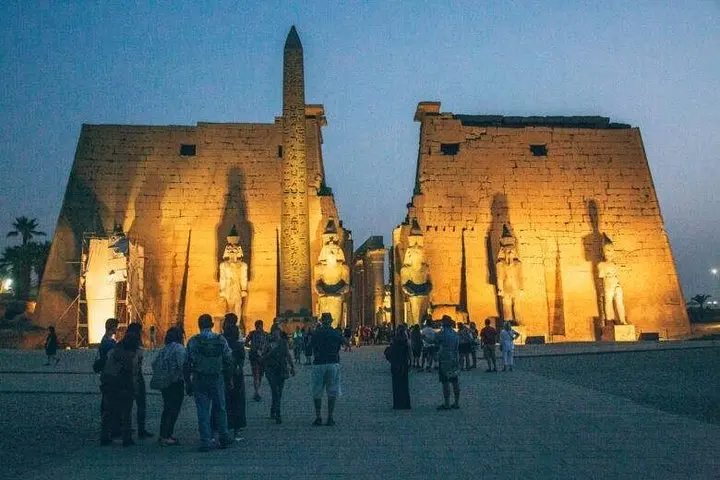
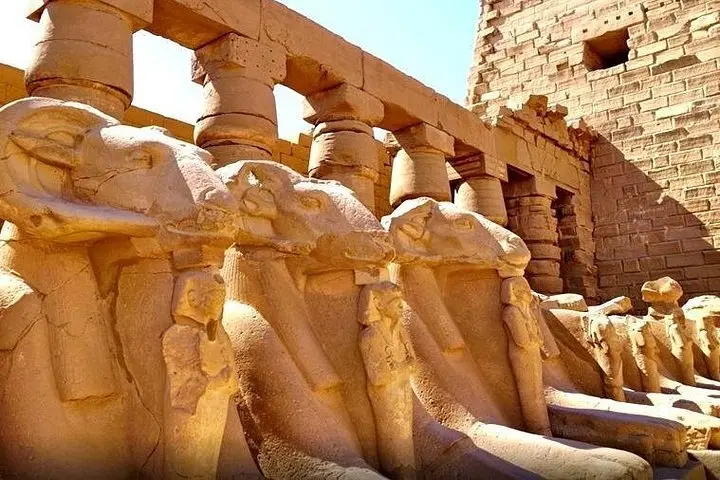
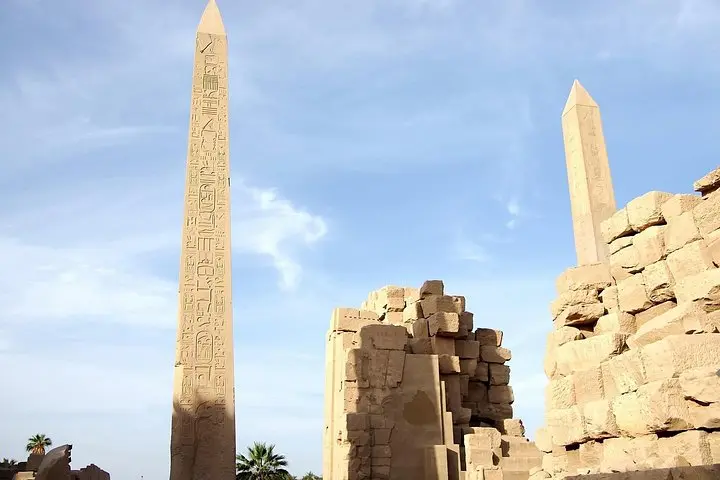
This eight-day loop ties Cairo’s millennia-old monuments to the vivid reef life of the Red Sea and the temple-kissed banks of Luxor. Geologically the corridor from the Nile Valley to the Red Sea is a meeting of old riverine silt and coral-built atolls: Saqqara’s Step Pyramid was cut from local stone while Giftun Island’s reefs grew over millennia into vibrant fringing reefs. Culturally you’ll move from Cairo’s Mamluk bazaars to Luxor’s temple avenues and the more relaxed coastal rhythm of Hurghada.
Expect early starts: hot-air balloons lift at dawn over the West Bank; diving and snorkeling trips to Giftun run as full-day boat excursions; transfers between Hurghada and Luxor are typically 3–4 hours by road or an hour by air. Practicalities matter—carry layered sun protection, a refillable water bottle, and comfortable shoes for temple steps and uneven surfaces. Bring local currency for tips and small purchases; many sites limit large bags and impose security checks. Hydrate frequently and schedule strenuous activities — balloon flights, guided temple walks, and dives — for morning hours when heat and crowds are lowest.
Taken together, the trip balances guided history, coastal marine adventure, and quiet river moments on a Nile dinner cruise — a compact way to see Egypt’s highlights with time to breathe between them.
Most travelers require a visa; many nationalities can obtain an e‑visa online in advance or a visa on arrival—check current Egyptian consular guidance before travel.
Licensed operators run routine morning flights (pre-dawn launch) when winds are calm; follow operator safety briefings and disclose medical issues ahead of time.
Giftun offers both snorkeling and dive sites; beginners can snorkel or join guided beginner dives with certified operators, but certified dives require appropriate credentials.
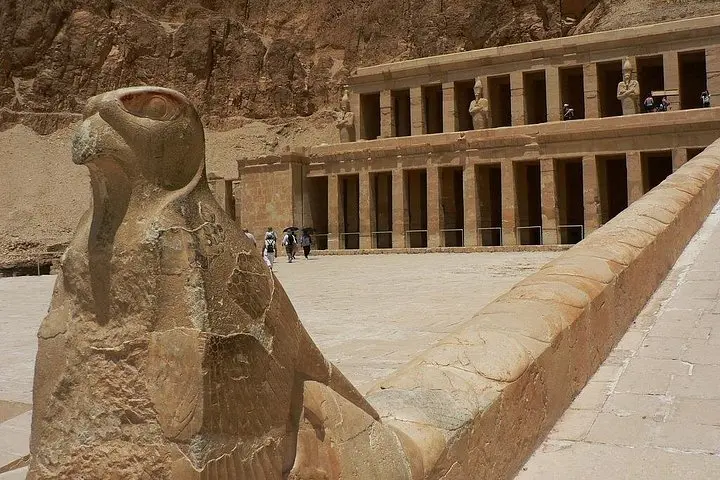
Expect moderate walking with stone staircases and uneven floors; the Valley of the Kings includes slopes and short climbs between tombs, so comfortable shoes are recommended.
Egypt Travel Line operates guided outdoor trips and adventures with an emphasis on safety, stewardship, and memorable experiences.
Before sunrise the limestone of the Giza Plateau cools to gray and the Sphinx watches a pale caravan of taxis and tour coaches roll past. You step out beneath the pyramids with an Egyptologist at your shoulder, and the desert feels like a living archive — wind-scarred blocks, painted reliefs, and the river’s distant pulse.
Before sunrise the limestone of the Giza Plateau cools to gray and the Sphinx watches a pale caravan of taxis and tour coaches roll past. You step out beneath the pyramids with an Egyptologist at your shoulder, and the desert feels like a living archive — wind-scarred blocks, painted reliefs, and the river’s distant pulse.
This eight-day loop ties Cairo’s millennia-old monuments to the vivid reef life of the Red Sea and the temple-kissed banks of Luxor. Geologically the corridor from the Nile Valley to the Red Sea is a meeting of old riverine silt and coral-built atolls: Saqqara’s Step Pyramid was cut from local stone while Giftun Island’s reefs grew over millennia into vibrant fringing reefs. Culturally you’ll move from Cairo’s Mamluk bazaars to Luxor’s temple avenues and the more relaxed coastal rhythm of Hurghada.
Expect early starts: hot-air balloons lift at dawn over the West Bank; diving and snorkeling trips to Giftun run as full-day boat excursions; transfers between Hurghada and Luxor are typically 3–4 hours by road or an hour by air. Practicalities matter—carry layered sun protection, a refillable water bottle, and comfortable shoes for temple steps and uneven surfaces. Bring local currency for tips and small purchases; many sites limit large bags and impose security checks. Hydrate frequently and schedule strenuous activities — balloon flights, guided temple walks, and dives — for morning hours when heat and crowds are lowest.
Taken together, the trip balances guided history, coastal marine adventure, and quiet river moments on a Nile dinner cruise — a compact way to see Egypt’s highlights with time to breathe between them.