THE ADVENTURE COLLECTIVE® · Independent discovery and booking for outdoor travel

Experience Kilimanjaro’s most scenic path: the Machame Route combines rainforest, high moorland, and a glacier-edged summit push to Uhuru Peak. This 8-day guided, fully supported trek emphasizes acclimatization, tented camps, and local porter support.
Experience Kilimanjaro’s most scenic path: the Machame Route combines rainforest, high moorland, and a glacier-edged summit push to Uhuru Peak. This 8-day guided, fully supported trek emphasizes acclimatization, tented camps, and local porter support.
Dawn breaks over a forested trail and the mountain looms like a shifting presence — at first a green-backed giant, then a powdery crown of ice reaching into the sky. On the Machame Route you walk through rainforest that hums with bird song, push onto heath and moorland where giant lobelias lean like old sentries, and cross the alpine desert before the final, glacier-edged summit push.
Verified experiences and guided adventures in the surrounding area.
Operated by Gracepatt Safaris · Moshi, Kilimanjaro Region
Dawn breaks over a forested trail and the mountain looms like a shifting presence — at first a green-backed giant, then a powdery crown of ice reaching into the sky. On the Machame Route you walk through rainforest that hums with bird song, push onto heath and moorland where giant lobelias lean like old sentries, and cross the alpine desert before the final, glacier-edged summit push.
The route traces volcanic geology: ancient lava flanks give way to the Shira Plateau, carved by long-ago eruptions and modern erosion. Local Chagga communities have long lived on Kilimanjaro’s lower slopes, growing bananas and coffee in volcanic soil; guides and porters on this trek are often from those towns around Moshi, and their knowledge of the mountain is practical and exact.
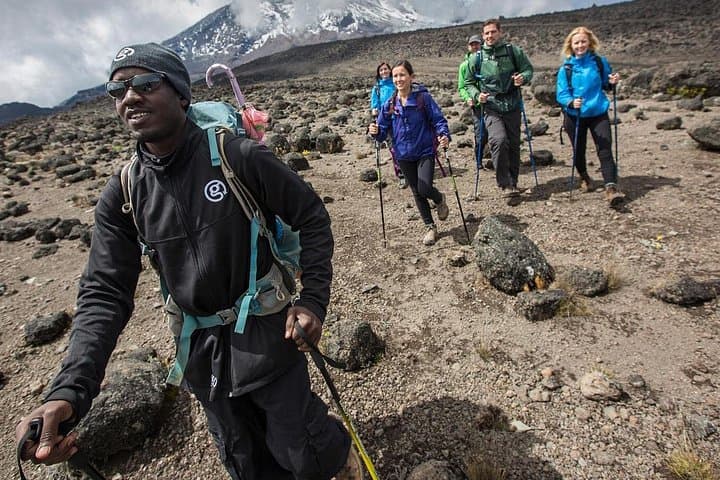
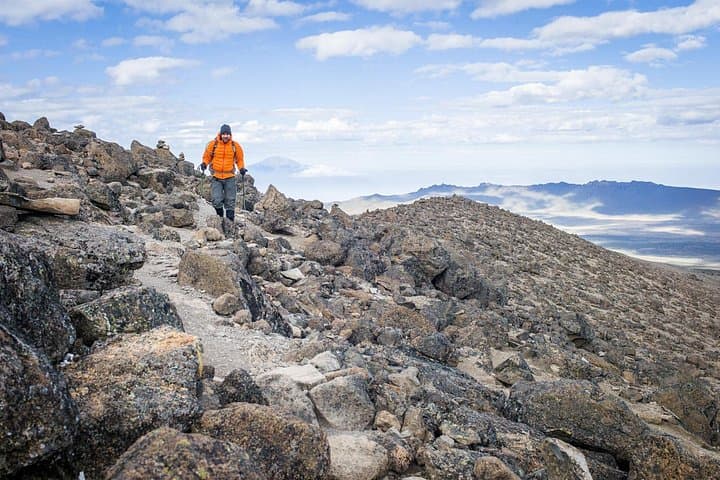
Expect roughly 55–65 km total distance and about 4,200–4,300 m of elevation gain from Machame Gate (~1,600 m) to Uhuru Peak (5,895 m). Terrain varies: muddy, root-strewn rainforest trails, steep ridgelines at Barranco, loose scree above Barafu, and icy sections near the summit. Nights are in tented camps — Machame, Shira, Barranco, Karanga, Barafu, Mweka — with meals prepared by a cook while porters carry kit.
Practical guidance: pace for acclimatization, hydrate, and carry layered insulation for temperature swings from warm forest days to sub-zero summit nights. Plan for a midnight summit start, strong trekking poles, and a lightweight sleeping pad. Respect local protocols, tip porters fairly, and allow an extra day in your schedule for weather delays. The Machame Route rewards careful preparation with dramatic vistas and the hard-won quiet of Africa’s highest peak.
Machame is more strenuous than Marangu because it’s steeper and uses camps instead of huts, but it offers better acclimatization and more varied scenery.
No technical climbing gear is required for the standard Machame route, but crampons and ice axe are sometimes recommended by guides for icy summit conditions.
Altitude sickness, poor acclimatization, dehydration, and severe weather are the main reasons; proper pacing and listening to guides reduce risk.
Porters carry group gear and designated luggage (limits apply); clients should bring a comfortable daypack for water, layers, and valuables.
Gracepatt Safaris operates guided outdoor trips and adventures with an emphasis on safety, stewardship, and memorable experiences.
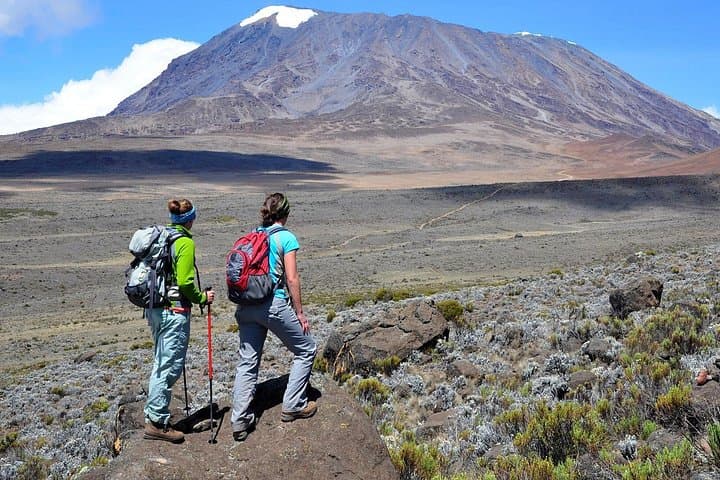

Dawn breaks over a forested trail and the mountain looms like a shifting presence — at first a green-backed giant, then a powdery crown of ice reaching into the sky. On the Machame Route you walk through rainforest that hums with bird song, push onto heath and moorland where giant lobelias lean like old sentries, and cross the alpine desert before the final, glacier-edged summit push.
Dawn breaks over a forested trail and the mountain looms like a shifting presence — at first a green-backed giant, then a powdery crown of ice reaching into the sky. On the Machame Route you walk through rainforest that hums with bird song, push onto heath and moorland where giant lobelias lean like old sentries, and cross the alpine desert before the final, glacier-edged summit push.
The route traces volcanic geology: ancient lava flanks give way to the Shira Plateau, carved by long-ago eruptions and modern erosion. Local Chagga communities have long lived on Kilimanjaro’s lower slopes, growing bananas and coffee in volcanic soil; guides and porters on this trek are often from those towns around Moshi, and their knowledge of the mountain is practical and exact.
Expect roughly 55–65 km total distance and about 4,200–4,300 m of elevation gain from Machame Gate (~1,600 m) to Uhuru Peak (5,895 m). Terrain varies: muddy, root-strewn rainforest trails, steep ridgelines at Barranco, loose scree above Barafu, and icy sections near the summit. Nights are in tented camps — Machame, Shira, Barranco, Karanga, Barafu, Mweka — with meals prepared by a cook while porters carry kit.
Practical guidance: pace for acclimatization, hydrate, and carry layered insulation for temperature swings from warm forest days to sub-zero summit nights. Plan for a midnight summit start, strong trekking poles, and a lightweight sleeping pad. Respect local protocols, tip porters fairly, and allow an extra day in your schedule for weather delays. The Machame Route rewards careful preparation with dramatic vistas and the hard-won quiet of Africa’s highest peak.