THE ADVENTURE COLLECTIVE® · Independent discovery and booking for outdoor travel

An 8-day guided trek along Kilimanjaro’s Machame Route moving from rainforest to glacier-tipped summit. This guide explains what to expect on terrain, elevation, and practical prep to reach Uhuru Peak.
An 8-day guided trek along Kilimanjaro’s Machame Route moving from rainforest to glacier-tipped summit. This guide explains what to expect on terrain, elevation, and practical prep to reach Uhuru Peak.
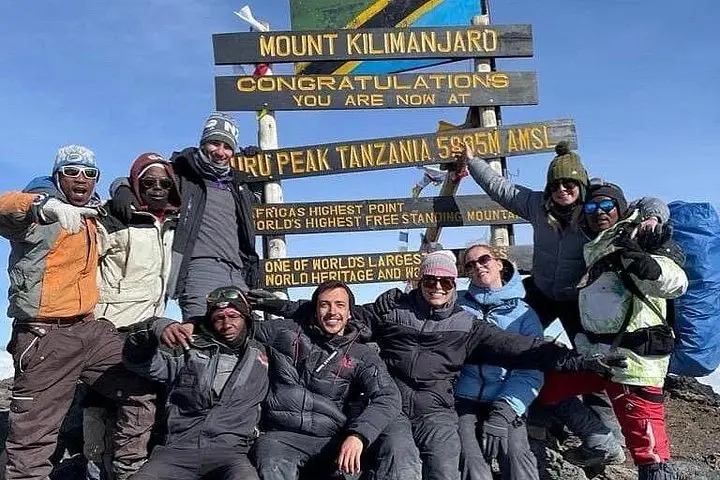
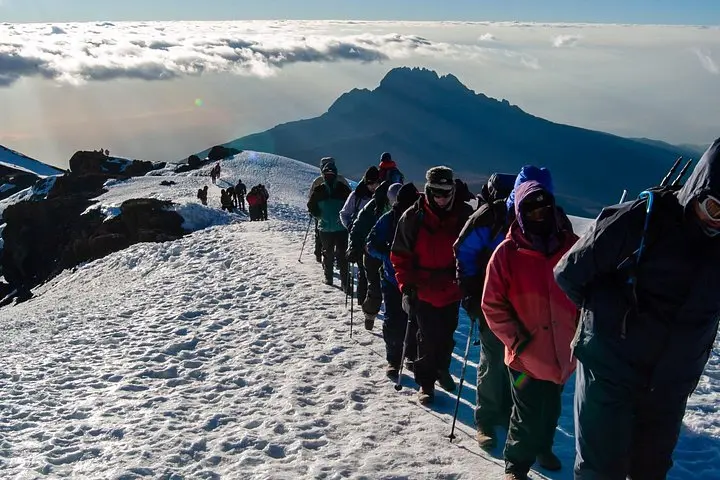
A cold, tea-scented pre-dawn wakes the camp at Barafu; headlamps blink like distant stars as climbers shoulder poles and breath fogs in the air. The Machame Route threads from moss-draped rainforest into the stunted moorland and then the high alpine desert, finishing on the scree that leads to Uhuru Peak — Africa’s rooftop.
Verified experiences and guided adventures in the surrounding area.
Operated by Tanzania Dreams · Moshi, Kilimanjaro Region
A cold, tea-scented pre-dawn wakes the camp at Barafu; headlamps blink like distant stars as climbers shoulder poles and breath fogs in the air. The Machame Route threads from moss-draped rainforest into the stunted moorland and then the high alpine desert, finishing on the scree that leads to Uhuru Peak — Africa’s rooftop.
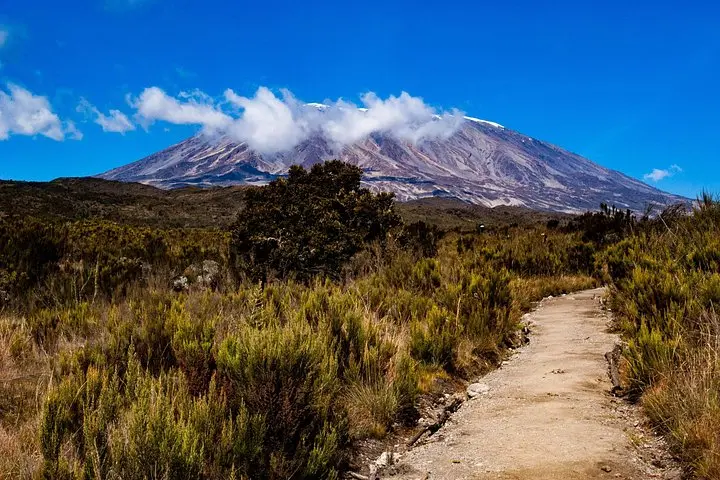
Kilimanjaro is a dormant stratovolcano dominated by three cones (Kibo, Mawenzi, Shira). The mountain’s range of ecosystems — from tropical forest to glacial crater — reflects both recent geological uplift and long-term climatic shifts. The Chagga people have long-lived ties to the mountain; Moshi serves as the modern gateway where coffee farms and local guides anchor the climb culturally and economically.
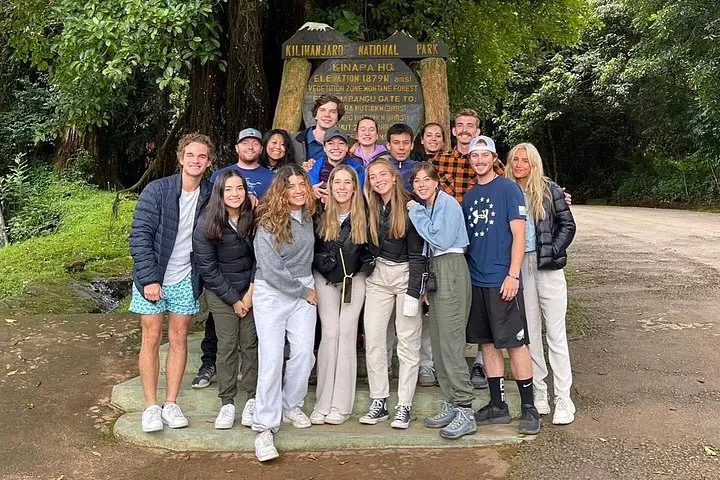
Practical guidance: the Machame route typically covers roughly 55–65 km round-trip with about 4,000 m of elevation gain from Machame Gate (1,850 m) to Uhuru Peak (5,895 m). Expect full-day hikes of 5–8 hours on mixed terrain: muddy forest tracks, rocky highland trails, steep scree and sections of basic scrambling at the Barranco Wall. Night summit pushes begin around midnight and demand layered clothing, headlamps and steady pacing.
Hydration, slow ascent and listening to your guides are the most important tools for summit success. Bring well-broken-in boots, a warm sleeping bag rated for -10°C, and expect camping nights with support from porters and cooks. The route is challenging but widely accessible to hikers with consistent aerobic fitness and altitude awareness — one step at a time gets you to the top.
Machame is steeper and more scenic than the Marangu route and offers better acclimatization than the shorter routes; it is considered challenging due to altitude gain and variable terrain.
Success depends on fitness, acclimatization and weather; commercial operators typically report success rates varying widely — experienced guides and paced itineraries can push rates above 80–90%.
No technical climbing skills are required, but experience with long-day hikes, high-altitude awareness, and proper boots and cold-weather gear are essential.
Most guided packages include park fees, camping equipment, cooks and porters; confirm exact inclusions with the operator before booking.
Tanzania Dreams operates guided outdoor trips and adventures with an emphasis on safety, stewardship, and memorable experiences.
A cold, tea-scented pre-dawn wakes the camp at Barafu; headlamps blink like distant stars as climbers shoulder poles and breath fogs in the air. The Machame Route threads from moss-draped rainforest into the stunted moorland and then the high alpine desert, finishing on the scree that leads to Uhuru Peak — Africa’s rooftop.
A cold, tea-scented pre-dawn wakes the camp at Barafu; headlamps blink like distant stars as climbers shoulder poles and breath fogs in the air. The Machame Route threads from moss-draped rainforest into the stunted moorland and then the high alpine desert, finishing on the scree that leads to Uhuru Peak — Africa’s rooftop.
Kilimanjaro is a dormant stratovolcano dominated by three cones (Kibo, Mawenzi, Shira). The mountain’s range of ecosystems — from tropical forest to glacial crater — reflects both recent geological uplift and long-term climatic shifts. The Chagga people have long-lived ties to the mountain; Moshi serves as the modern gateway where coffee farms and local guides anchor the climb culturally and economically.
Practical guidance: the Machame route typically covers roughly 55–65 km round-trip with about 4,000 m of elevation gain from Machame Gate (1,850 m) to Uhuru Peak (5,895 m). Expect full-day hikes of 5–8 hours on mixed terrain: muddy forest tracks, rocky highland trails, steep scree and sections of basic scrambling at the Barranco Wall. Night summit pushes begin around midnight and demand layered clothing, headlamps and steady pacing.
Hydration, slow ascent and listening to your guides are the most important tools for summit success. Bring well-broken-in boots, a warm sleeping bag rated for -10°C, and expect camping nights with support from porters and cooks. The route is challenging but widely accessible to hikers with consistent aerobic fitness and altitude awareness — one step at a time gets you to the top.