THE ADVENTURE COLLECTIVE® · Independent discovery and booking for outdoor travel

Tackle Kilimanjaro’s Machame Route in eight days: a framed ascent from rainforest to the crater rim and Uhuru Peak. This guide covers what you’ll see, why acclimatization matters, and how to prepare for the midnight summit push.
Tackle Kilimanjaro’s Machame Route in eight days: a framed ascent from rainforest to the crater rim and Uhuru Peak. This guide covers what you’ll see, why acclimatization matters, and how to prepare for the midnight summit push.
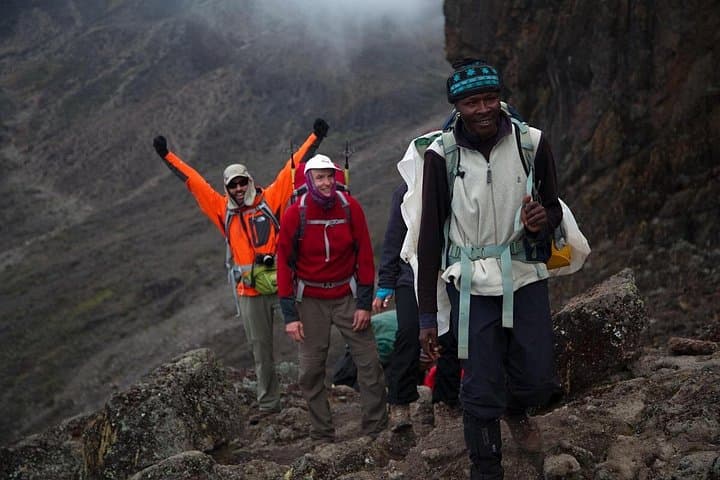
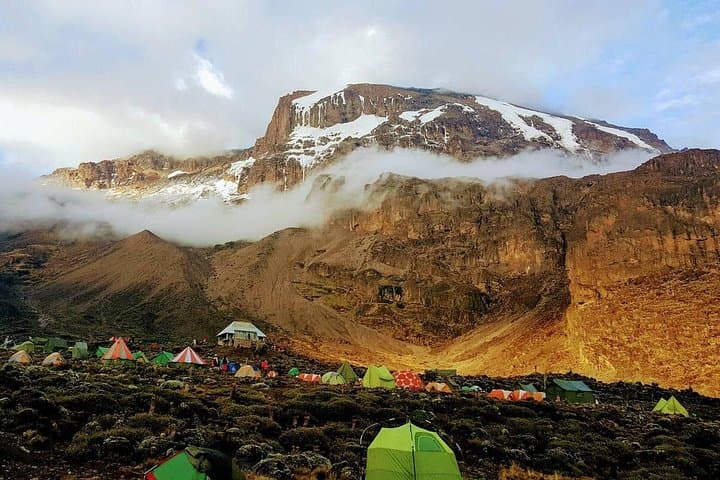
Night air thins as headlamps stitch a line up scree toward Stella Point; the summit waits above a bowl of stars and ancient ice. On the Machame Route you move from wet, dripping rainforest into high moorland and then the lunar, wind-scoured slopes of Kibo—each day asks for attention to pace, breath and kit.
Verified experiences and guided adventures in the surrounding area.
Operated by Sharm Life Day Tours · Moshi, Kilimanjaro Region
Night air thins as headlamps stitch a line up scree toward Stella Point; the summit waits above a bowl of stars and ancient ice. On the Machame Route you move from wet, dripping rainforest into high moorland and then the lunar, wind-scoured slopes of Kibo—each day asks for attention to pace, breath and kit.
The Machame is one of Kilimanjaro’s most scenic lines, opened to climbers in the late 20th century as routes across the southern flanks became popular. Geologically, Kibo is a dormant stratovolcano whose summit crater holds the remnants of glaciers that have receded visibly in recent decades. The climb passes through habitat shaped by elevation: cloud forest alive with ferns and monkeys, heathland of heather and giant lobelia, then the barren alpine desert above 4,500 m. Local Chagga communities on the mountain’s lower slopes maintain guiding traditions and supply crews who make summit attempts possible.
Practically: this 8-day itinerary spaces acclimatization with an overnight at Karanga for a crucial ‘walk high, sleep low’ benefit. Expect daily distances of 3–13 km, long ascents on day five and a midnight summit push. Footwear should be well-broken-in, layers are essential for rapid temperature swings, and hydration plus a slow, steady pace are your best defenses against altitude.
Plan for changing weather, bring a helmet for loose scree if you’re nervous on steep descents, and respect park rules—permits, portering limits and waste policies protect both crews and landscape. A successful summit combines preparation, patience and the quiet confidence earned step by step.
No technical climbing is required; the route is non-technical but demands endurance, comfort on scree and basic high-altitude trekking experience.
The itinerary includes staged ascents and a night at Karanga to follow the ‘walk high, sleep low’ principle, reducing altitude-related risks before the summit push.
Park entry, camping fees and rescue fees are included in this trip; carrying a printed or mobile permit is required by Kilimanjaro National Park Authority.
Mild symptoms are common; guides monitor climbers and carry oxygen and pulse oximeters—descent is the standard treatment for severe AMS.
Sharm Life Day Tours operates guided outdoor trips and adventures with an emphasis on safety, stewardship, and memorable experiences.


Night air thins as headlamps stitch a line up scree toward Stella Point; the summit waits above a bowl of stars and ancient ice. On the Machame Route you move from wet, dripping rainforest into high moorland and then the lunar, wind-scoured slopes of Kibo—each day asks for attention to pace, breath and kit.
Night air thins as headlamps stitch a line up scree toward Stella Point; the summit waits above a bowl of stars and ancient ice. On the Machame Route you move from wet, dripping rainforest into high moorland and then the lunar, wind-scoured slopes of Kibo—each day asks for attention to pace, breath and kit.
The Machame is one of Kilimanjaro’s most scenic lines, opened to climbers in the late 20th century as routes across the southern flanks became popular. Geologically, Kibo is a dormant stratovolcano whose summit crater holds the remnants of glaciers that have receded visibly in recent decades. The climb passes through habitat shaped by elevation: cloud forest alive with ferns and monkeys, heathland of heather and giant lobelia, then the barren alpine desert above 4,500 m. Local Chagga communities on the mountain’s lower slopes maintain guiding traditions and supply crews who make summit attempts possible.
Practically: this 8-day itinerary spaces acclimatization with an overnight at Karanga for a crucial ‘walk high, sleep low’ benefit. Expect daily distances of 3–13 km, long ascents on day five and a midnight summit push. Footwear should be well-broken-in, layers are essential for rapid temperature swings, and hydration plus a slow, steady pace are your best defenses against altitude.
Plan for changing weather, bring a helmet for loose scree if you’re nervous on steep descents, and respect park rules—permits, portering limits and waste policies protect both crews and landscape. A successful summit combines preparation, patience and the quiet confidence earned step by step.