THE ADVENTURE COLLECTIVE® · Independent discovery and booking for outdoor travel

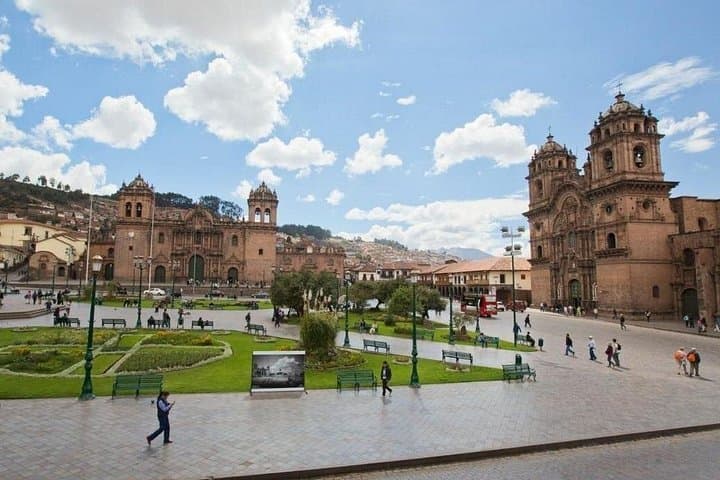
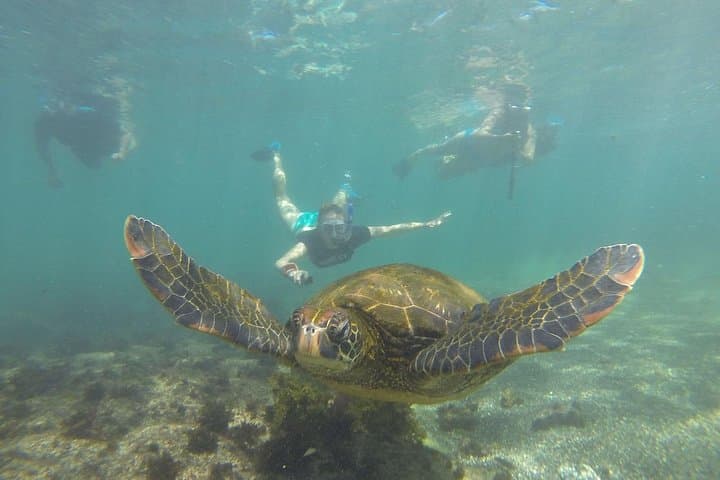
Pair the high Andes with equatorial islands on this compact eight-day itinerary. Visit Machu Picchu’s stone plazas, walk with giant tortoises in Santa Cruz highlands, and snorkel among sea lions and reef fish in the Galapagos.
Pair the high Andes with equatorial islands on this compact eight-day itinerary. Visit Machu Picchu’s stone plazas, walk with giant tortoises in Santa Cruz highlands, and snorkel among sea lions and reef fish in the Galapagos.
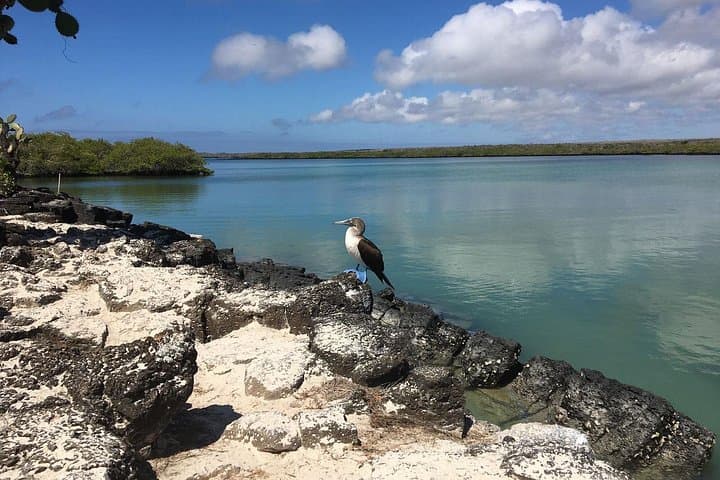
The train leaves the high Andes in a blur of terraces and cloud; a few days later the Pacific swells beneath your zodiac. This eight-day loop pairs two of South America’s most elemental places: the stony precision of Machu Picchu perched over the Urubamba canyon, and the restless, salt-stung shores of the Galapagos, where iguanas sun themselves and boobies perform comical courtship rituals.
Verified experiences and guided adventures in the surrounding area.
Operated by Rebecca Adventure Travel · Cusco, Cusco
The train leaves the high Andes in a blur of terraces and cloud; a few days later the Pacific swells beneath your zodiac. This eight-day loop pairs two of South America’s most elemental places: the stony precision of Machu Picchu perched over the Urubamba canyon, and the restless, salt-stung shores of the Galapagos, where iguanas sun themselves and boobies perform comical courtship rituals.
Machu Picchu dates to the fifteenth-century Inca expansion and sits on folded volcanic and sedimentary rock above deep river canyons—an engineered city oriented to astronomical events. The Galapagos are a volcanic archipelago formed by a hot spot on the Nazca Plate; their isolation gave rise to endemic species that helped shape Darwin’s ideas on evolution.
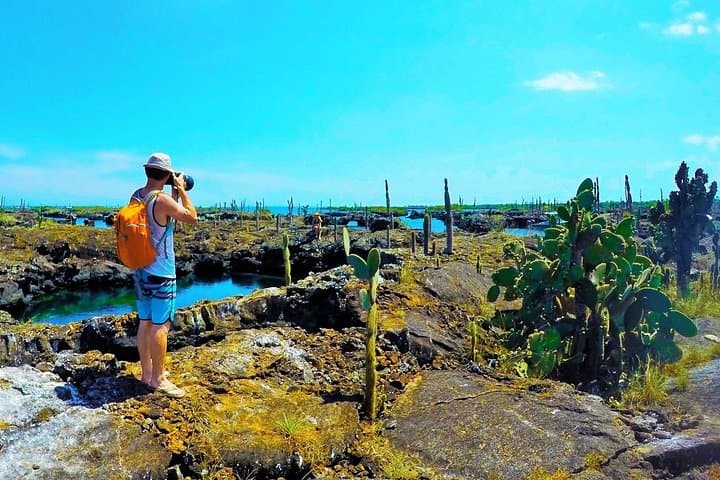
Expect a cultural contrast: Quechua-speaking markets and stone terraces around Cusco’s Sacred Valley, then a switch to marine life, lava fields and tidal pools in the islands. Local insights—Pisac market bargaining, highland tortoise ranch visits, and strict Galapagos biosecurity—shape both experience and etiquette.
Practical guide: allow 24–48 hours in Cusco to acclimatize to 3,400m before Machu Picchu’s bus and pathways. Bring layered rain protection for the Andes and reef-safe sunscreen and reef shoes for snorkeling. Pack light: ferries and speedboat lockers are small. Hydrate for altitude, move slowly on steep stone steps, and follow park instructions—both sites regulate visitor numbers and routes. This trip blends history, geology, and wildlife with straightforward logistics: trains, short hikes, guided ruins tours and guided snorkeling—big sights, clear rhythms, and firm practicalities.
No. International flights to Cusco or your entry city are not included; the itinerary includes domestic transfer flights like Cuzco–Guayaquil and island transfers described in the tour.
Check passport and visa requirements for Peru and Ecuador for your nationality; routine travel vaccinations are recommended and consult a travel clinic about typhoid, hepatitis A, and altitude precautions.
The site involves uneven stone stairs and up to several hours walking; it’s not technical but requires stable footing and moderate stamina—altitude can make exertion harder.
Biosecurity rules are strict—single-use plastics are discouraged, and inspections occur at entry; bring reusable water bottles and use bottled or purified water as advised.
Rebecca Adventure Travel operates guided outdoor trips and adventures with an emphasis on safety, stewardship, and memorable experiences.
The train leaves the high Andes in a blur of terraces and cloud; a few days later the Pacific swells beneath your zodiac. This eight-day loop pairs two of South America’s most elemental places: the stony precision of Machu Picchu perched over the Urubamba canyon, and the restless, salt-stung shores of the Galapagos, where iguanas sun themselves and boobies perform comical courtship rituals.
The train leaves the high Andes in a blur of terraces and cloud; a few days later the Pacific swells beneath your zodiac. This eight-day loop pairs two of South America’s most elemental places: the stony precision of Machu Picchu perched over the Urubamba canyon, and the restless, salt-stung shores of the Galapagos, where iguanas sun themselves and boobies perform comical courtship rituals.
Machu Picchu dates to the fifteenth-century Inca expansion and sits on folded volcanic and sedimentary rock above deep river canyons—an engineered city oriented to astronomical events. The Galapagos are a volcanic archipelago formed by a hot spot on the Nazca Plate; their isolation gave rise to endemic species that helped shape Darwin’s ideas on evolution.
Expect a cultural contrast: Quechua-speaking markets and stone terraces around Cusco’s Sacred Valley, then a switch to marine life, lava fields and tidal pools in the islands. Local insights—Pisac market bargaining, highland tortoise ranch visits, and strict Galapagos biosecurity—shape both experience and etiquette.
Practical guide: allow 24–48 hours in Cusco to acclimatize to 3,400m before Machu Picchu’s bus and pathways. Bring layered rain protection for the Andes and reef-safe sunscreen and reef shoes for snorkeling. Pack light: ferries and speedboat lockers are small. Hydrate for altitude, move slowly on steep stone steps, and follow park instructions—both sites regulate visitor numbers and routes. This trip blends history, geology, and wildlife with straightforward logistics: trains, short hikes, guided ruins tours and guided snorkeling—big sights, clear rhythms, and firm practicalities.