THE ADVENTURE COLLECTIVE® · Independent discovery and booking for outdoor travel

Spend eight days between coral reefs and primary rainforest on Madagascar’s Masoala Peninsula. This itinerary mixes guided walks, river canoes, snorkeling and village visits with comfortable lodge nights.
Spend eight days between coral reefs and primary rainforest on Madagascar’s Masoala Peninsula. This itinerary mixes guided walks, river canoes, snorkeling and village visits with comfortable lodge nights.
A narrow boat cuts through glassy water at dawn, the peninsula’s rainforest rising like a green wall ahead. On arrival at Masoala Forest Lodge you step from the engine into heat and salt-scented air — palms riffle, birds call, and the forest seems to extend a slow invitation to explore.
Verified experiences and guided adventures in the surrounding area.
Operated by MTT Madagascar Travel and Tours · Maroantsetra, Analanjirofo
A narrow boat cuts through glassy water at dawn, the peninsula’s rainforest rising like a green wall ahead. On arrival at Masoala Forest Lodge you step from the engine into heat and salt-scented air — palms riffle, birds call, and the forest seems to extend a slow invitation to explore.
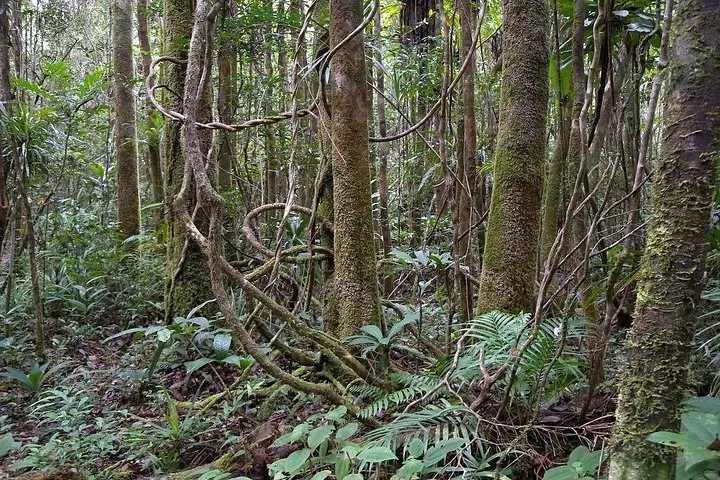
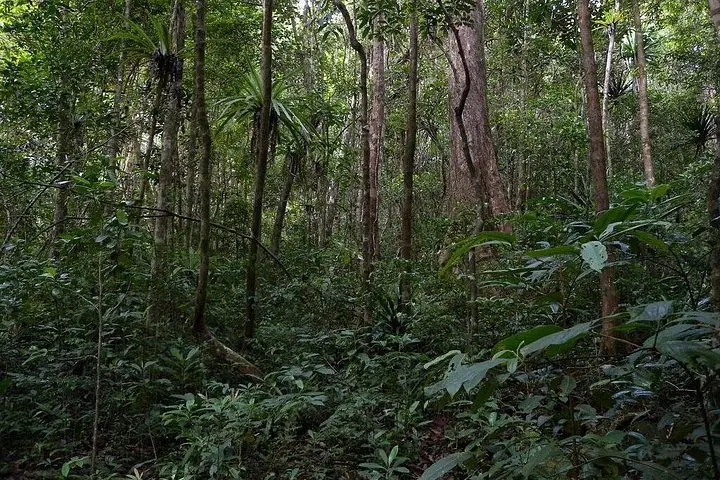
Masoala National Park protects Madagascar’s largest block of lowland rainforest and a ragged coastline of mangroves and reefs. Geologically the peninsula is old Gondwanan craton and laterite soils; sculpted streams feed cascades and sheltered estuaries where coral grows in unusually clear water. The human story here is coastal Malagasy life: small villages, school projects supported by lodges, and a culture shaped by the sea and forest.
Expect guided coastal forest walks (2–6 km typical), canoe rides down shaded rivers, kayak trips to rocky points, and reef snorkels with high visibility. Wildlife highlights include red-ruffed and white-fronted lemurs, leaf-tailed geckos, and courtship-flashing vangas; night walks raise the chance of mouse and dwarf lemurs. Boat transfers between Maroantsetra, Nosy Mangabe and the lodge take a few hours and can be choppy; timing often centers on tide and weather.
Practical guidance: travel light but bring good trail shoes, reef-safe sunscreen, a dry bag, and a headlamp. Hydrate frequently and respect village customs — small purchases of crafts go a long way. The dry season (May–Oct) is best for hikes and marine visibility; rainy months bring powerful tropical downpours and possible cancellations. With modest fitness and an appetite for quiet, this itinerary stitches beach, forest and local life into a singular Madagascar experience.
You typically fly from Antananarivo to Maroantsetra, then transfer by boat to Nosy Mangabe and the Masoala Forest Lodge; flights and boat times are coordinated with the lodge.
Yes—walking sections are generally short and guided, and many activities are optional; inform the operator of mobility concerns for tailored plans.
Dry season (May–October) offers best snorkeling visibility; humpback whale sightings in the region are most likely from July to September.
Yes, but always ask before photographing people; small purchases and polite engagement support local communities.
MTT Madagascar Travel and Tours operates guided outdoor trips and adventures with an emphasis on safety, stewardship, and memorable experiences.
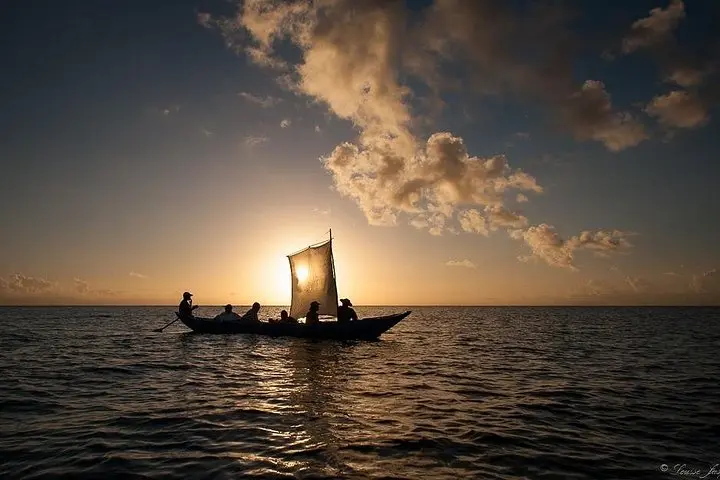

A narrow boat cuts through glassy water at dawn, the peninsula’s rainforest rising like a green wall ahead. On arrival at Masoala Forest Lodge you step from the engine into heat and salt-scented air — palms riffle, birds call, and the forest seems to extend a slow invitation to explore.
A narrow boat cuts through glassy water at dawn, the peninsula’s rainforest rising like a green wall ahead. On arrival at Masoala Forest Lodge you step from the engine into heat and salt-scented air — palms riffle, birds call, and the forest seems to extend a slow invitation to explore.
Masoala National Park protects Madagascar’s largest block of lowland rainforest and a ragged coastline of mangroves and reefs. Geologically the peninsula is old Gondwanan craton and laterite soils; sculpted streams feed cascades and sheltered estuaries where coral grows in unusually clear water. The human story here is coastal Malagasy life: small villages, school projects supported by lodges, and a culture shaped by the sea and forest.
Expect guided coastal forest walks (2–6 km typical), canoe rides down shaded rivers, kayak trips to rocky points, and reef snorkels with high visibility. Wildlife highlights include red-ruffed and white-fronted lemurs, leaf-tailed geckos, and courtship-flashing vangas; night walks raise the chance of mouse and dwarf lemurs. Boat transfers between Maroantsetra, Nosy Mangabe and the lodge take a few hours and can be choppy; timing often centers on tide and weather.
Practical guidance: travel light but bring good trail shoes, reef-safe sunscreen, a dry bag, and a headlamp. Hydrate frequently and respect village customs — small purchases of crafts go a long way. The dry season (May–Oct) is best for hikes and marine visibility; rainy months bring powerful tropical downpours and possible cancellations. With modest fitness and an appetite for quiet, this itinerary stitches beach, forest and local life into a singular Madagascar experience.