THE ADVENTURE COLLECTIVE® · Independent discovery and booking for outdoor travel

Journey eight days from Casablanca to Marrakech across imperial cities, mountain passes and the Sahara. This tour blends Roman ruins, medina walks, camel treks and a night under the stars—here’s what to expect and how to prepare.
Journey eight days from Casablanca to Marrakech across imperial cities, mountain passes and the Sahara. This tour blends Roman ruins, medina walks, camel treks and a night under the stars—here’s what to expect and how to prepare.
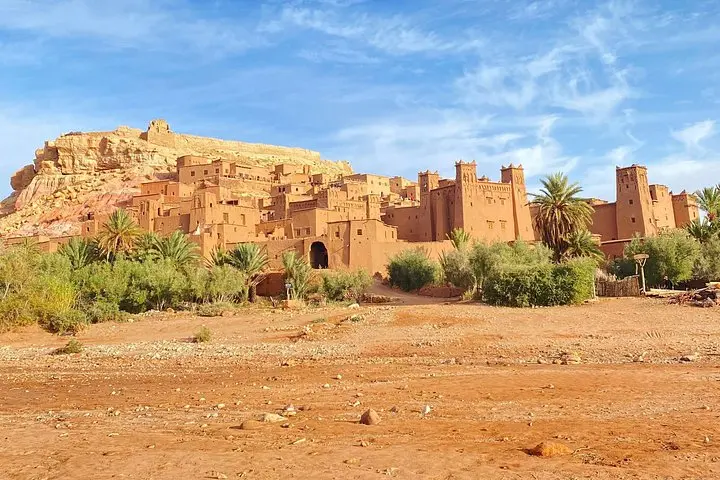
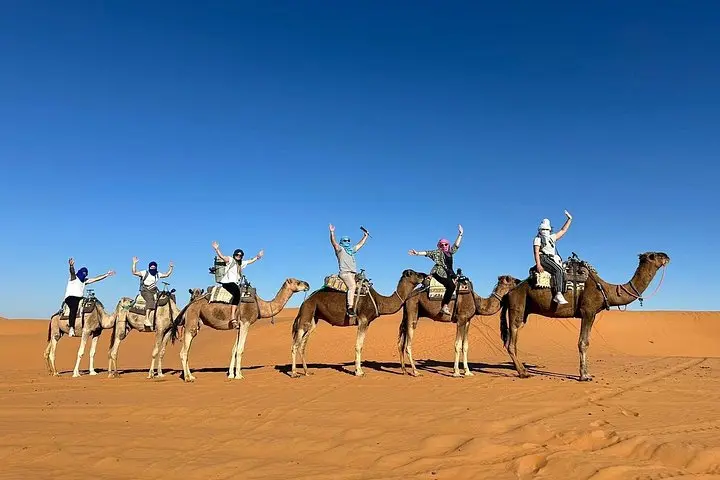
Morning light splits the Atlantic breeze as your driver eases out of Casablanca and the country unfolds—minarets, cedar forests, ochre kasbahs and a horizon of rippling sand. Over eight days you move from coastal grandeur to mountain passes and into the Sahara, trading the city clamor for star-bright silence around a desert campfire.
Verified experiences and guided adventures in the surrounding area.
Operated by Morocco Activities Expert · Marrakech, Marrakech-Safi
Morning light splits the Atlantic breeze as your driver eases out of Casablanca and the country unfolds—minarets, cedar forests, ochre kasbahs and a horizon of rippling sand. Over eight days you move from coastal grandeur to mountain passes and into the Sahara, trading the city clamor for star-bright silence around a desert campfire.
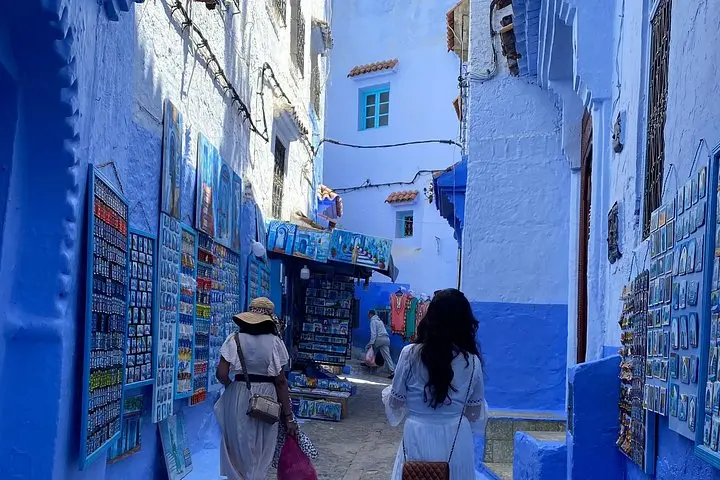
This route stitches Morocco’s layered history: Roman mosaics at Volubilis, Almohad ramparts in Rabat, and the walled medinas of Fes and Marrakech where zellij tilework and carved cedar tell stories of centuries of craft. Geologically, the trip crosses the Rif and Atlas ranges—limestone gorges like Todra cleave dramatic canyons while Erg Chebbi’s mobile dunes shift with every wind.
Culturally, expect a mix of Arab and Amazigh (Berber) traditions: riads that open into cool courtyards, markets where spices and argan oil dominate, and small villages where rose cultivation and irrigation systems like Khettarat still shape livelihoods.
Practical guidance: plan for long drives—daily stretches can be 3–6 hours—so prioritize comfort and motion-sickness prep. Walks in medinas are short but on uneven paving; sandals won’t cut it in the souks or at archaeological sites. Desert nights drop in temperature—pack warm layers even after hot days. Bring local currency for small purchases and tipping; English and French are commonly spoken by guides and drivers.
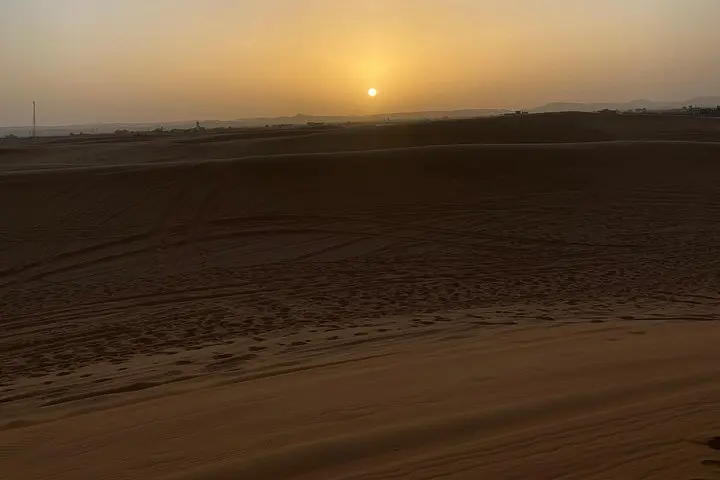
The trip is rich in photo ops and varied terrain: time your travel for spring or fall for milder temperatures, and leave space in your itinerary to slow down in a kasbah courtyard or watch sunrise over the dunes.
Breakfast is included each day and two dinners are provided; other meals are typically at local restaurants and not included unless specified.
Yes—the itinerary includes a camel ride into Erg Chebbi and an overnight in a desert camp, with some camps offering ensuite facilities depending on the option selected.
Drivers are English- and French-speaking; official local guides are provided in Fes and Marrakech and may speak English and French.
The tour notes wheelchair accessibility in some parts, but many medina areas and historic sites have uneven surfaces and steps—contact the operator to confirm accommodation for specific mobility needs.
Morocco Activities Expert operates guided outdoor trips and adventures with an emphasis on safety, stewardship, and memorable experiences.
Morning light splits the Atlantic breeze as your driver eases out of Casablanca and the country unfolds—minarets, cedar forests, ochre kasbahs and a horizon of rippling sand. Over eight days you move from coastal grandeur to mountain passes and into the Sahara, trading the city clamor for star-bright silence around a desert campfire.
Morning light splits the Atlantic breeze as your driver eases out of Casablanca and the country unfolds—minarets, cedar forests, ochre kasbahs and a horizon of rippling sand. Over eight days you move from coastal grandeur to mountain passes and into the Sahara, trading the city clamor for star-bright silence around a desert campfire.
This route stitches Morocco’s layered history: Roman mosaics at Volubilis, Almohad ramparts in Rabat, and the walled medinas of Fes and Marrakech where zellij tilework and carved cedar tell stories of centuries of craft. Geologically, the trip crosses the Rif and Atlas ranges—limestone gorges like Todra cleave dramatic canyons while Erg Chebbi’s mobile dunes shift with every wind.
Culturally, expect a mix of Arab and Amazigh (Berber) traditions: riads that open into cool courtyards, markets where spices and argan oil dominate, and small villages where rose cultivation and irrigation systems like Khettarat still shape livelihoods.
Practical guidance: plan for long drives—daily stretches can be 3–6 hours—so prioritize comfort and motion-sickness prep. Walks in medinas are short but on uneven paving; sandals won’t cut it in the souks or at archaeological sites. Desert nights drop in temperature—pack warm layers even after hot days. Bring local currency for small purchases and tipping; English and French are commonly spoken by guides and drivers.
The trip is rich in photo ops and varied terrain: time your travel for spring or fall for milder temperatures, and leave space in your itinerary to slow down in a kasbah courtyard or watch sunrise over the dunes.