THE ADVENTURE COLLECTIVE® · Independent discovery and booking for outdoor travel

Wake before dawn and climb under a scatter of stars to reach Uhuru Peak for sunrise. This private 8‑day Lemosho route pairs careful acclimatization with full logistical support for a focused, high‑altitude push to the Roof of Africa.
Wake before dawn and climb under a scatter of stars to reach Uhuru Peak for sunrise. This private 8‑day Lemosho route pairs careful acclimatization with full logistical support for a focused, high‑altitude push to the Roof of Africa.
The night your team wakes you at midnight on Barafu, the mountain is a cold, moving silence. Headlamps stitch cones of light through the alpine desert; breath fogs and reappears as you climb switchbacks toward Stella Point. Above you, Kibo’s flank is a black river of scree and ice, and the summit waits, a blunt rim of frost against the thinning sky.
Verified experiences and guided adventures in the surrounding area.
Operated by Explore Green Africa Safaris · Arusha, Arusha Region
The night your team wakes you at midnight on Barafu, the mountain is a cold, moving silence. Headlamps stitch cones of light through the alpine desert; breath fogs and reappears as you climb switchbacks toward Stella Point. Above you, Kibo’s flank is a black river of scree and ice, and the summit waits, a blunt rim of frost against the thinning sky.
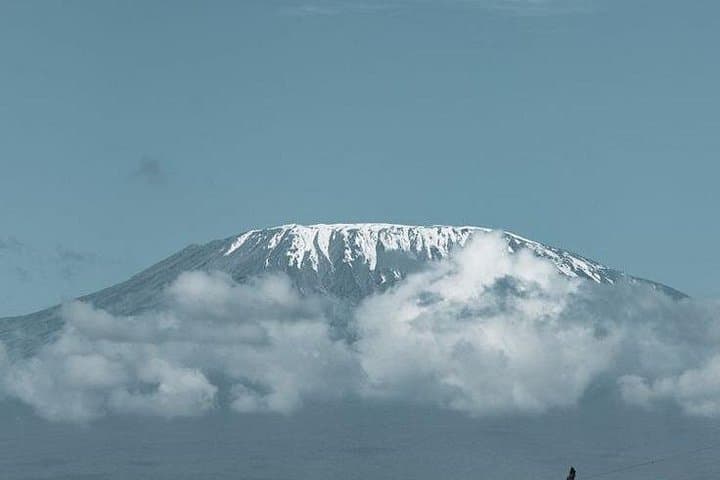
This private, guided 8‑day Lemosho route is built for that ascent: gradual camps, an acclimatization day at Lava Tower, and a support crew that keeps logistics out of your head so you can put your energy into the climb. Geologically Kilimanjaro is a dormant stratovolcano made of three peaks—Shira, Mawenzi and Kibo—whose last major eruptions were hundreds of thousands of years ago. Glaciers still score Kibo’s upper slopes, carving serrated ridgelines that gleam in the sunrise.
Culturally the mountain sits at the edge of Chagga agricultural land and Maasai grazing territories. Local guides and porters are from communities around Kilimanjaro and Mount Meru; hearing their stories at camp gives context to the stone terraces and coffee farms you pass during transfers and early forest stages.
On the trail you move through ecological layers that feel like pages in a field guide: montane rainforest heavy with moss and ferns; heathland dotted with giant lobelias and groundsels; brittle alpine desert; then the glacial rim. Wildlife is most obvious low on the mountain — colobus monkeys and various forest birds — but the flora at high altitude is the real surprise, sculpted by cold, wind and ultraviolet light.
Practical edge: the Lemosho approach is one of the gentler routes for acclimatization, but success is never guaranteed. Your summit window depends on pacing, hydration, and how well your body handles altitude. The itinerary includes sleeping gear, filtered water, and oxygen/oximeter support, but personal layering, a reliable headlamp and proper boots are non-negotiable.
Timing is everything: summit attempts begin around midnight to reach Uhuru Peak for sunrise, and descents follow long, dusty switchbacks where knees pay for fast downhills. Pack light on the trail pack—day clothes, water, snacks, camera—leave camp and portering duties to the crew. Respect the mountain: carry out waste, tip porters fairly, and heed guide advice.
Whether you’re a first‑time high‑altitude trekker or an experienced mountaineer seeking a managed push, this itinerary balances careful acclimatization with the practicality of private guiding. It’s an exercise in patience, steady breathing, and the rare achievement of standing on Africa’s highest summit as the sun unveils the plains below.
This itinerary follows the Lemosho route, approaching from the west and offering good acclimatization across the Shira Plateau.
No technical climbing skills are needed—this is a strenuous trek rather than a technical ascent—though strong fitness and experience with multi‑day hikes are recommended.
Guides monitor symptoms, use pulse oximeters and supplemental oxygen if needed, and structure the itinerary with acclimatization days like the Lava Tower stop.
Pre‑ and post‑trek hotel nights in Arusha, full board on the mountain, sleeping mats, sleeping bags and 4‑season tents are provided.
Yes—tipping is customary. Your operator will usually provide guidance on recommended amounts and a suggested envelope system.
The operator has a cancellation/refund policy and will prioritize safety; guides may recommend turning back if conditions or altitude illness make continuation unsafe.
Explore Green Africa Safaris operates guided outdoor trips and adventures with an emphasis on safety, stewardship, and memorable experiences.


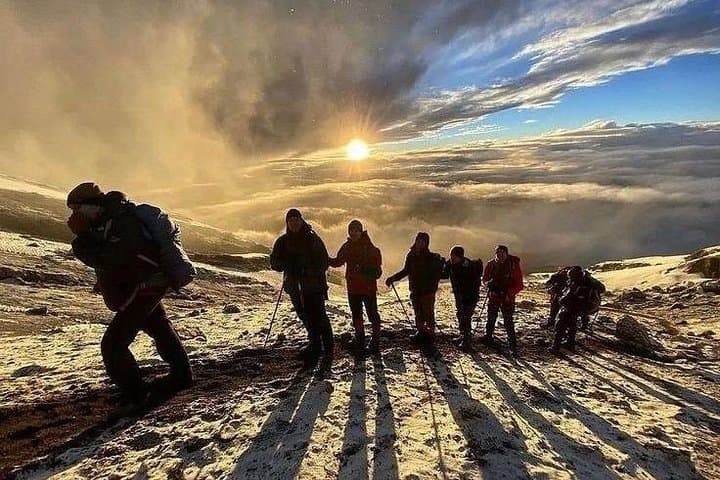
The night your team wakes you at midnight on Barafu, the mountain is a cold, moving silence. Headlamps stitch cones of light through the alpine desert; breath fogs and reappears as you climb switchbacks toward Stella Point. Above you, Kibo’s flank is a black river of scree and ice, and the summit waits, a blunt rim of frost against the thinning sky.
The night your team wakes you at midnight on Barafu, the mountain is a cold, moving silence. Headlamps stitch cones of light through the alpine desert; breath fogs and reappears as you climb switchbacks toward Stella Point. Above you, Kibo’s flank is a black river of scree and ice, and the summit waits, a blunt rim of frost against the thinning sky.
This private, guided 8‑day Lemosho route is built for that ascent: gradual camps, an acclimatization day at Lava Tower, and a support crew that keeps logistics out of your head so you can put your energy into the climb. Geologically Kilimanjaro is a dormant stratovolcano made of three peaks—Shira, Mawenzi and Kibo—whose last major eruptions were hundreds of thousands of years ago. Glaciers still score Kibo’s upper slopes, carving serrated ridgelines that gleam in the sunrise.
Culturally the mountain sits at the edge of Chagga agricultural land and Maasai grazing territories. Local guides and porters are from communities around Kilimanjaro and Mount Meru; hearing their stories at camp gives context to the stone terraces and coffee farms you pass during transfers and early forest stages.
On the trail you move through ecological layers that feel like pages in a field guide: montane rainforest heavy with moss and ferns; heathland dotted with giant lobelias and groundsels; brittle alpine desert; then the glacial rim. Wildlife is most obvious low on the mountain — colobus monkeys and various forest birds — but the flora at high altitude is the real surprise, sculpted by cold, wind and ultraviolet light.
Practical edge: the Lemosho approach is one of the gentler routes for acclimatization, but success is never guaranteed. Your summit window depends on pacing, hydration, and how well your body handles altitude. The itinerary includes sleeping gear, filtered water, and oxygen/oximeter support, but personal layering, a reliable headlamp and proper boots are non-negotiable.
Timing is everything: summit attempts begin around midnight to reach Uhuru Peak for sunrise, and descents follow long, dusty switchbacks where knees pay for fast downhills. Pack light on the trail pack—day clothes, water, snacks, camera—leave camp and portering duties to the crew. Respect the mountain: carry out waste, tip porters fairly, and heed guide advice.
Whether you’re a first‑time high‑altitude trekker or an experienced mountaineer seeking a managed push, this itinerary balances careful acclimatization with the practicality of private guiding. It’s an exercise in patience, steady breathing, and the rare achievement of standing on Africa’s highest summit as the sun unveils the plains below.