THE ADVENTURE COLLECTIVE® · Independent discovery and booking for outdoor travel

Take eight days on the Lemosho Route to climb Mount Kilimanjaro—an approach prized for scenery and acclimatization. This route moves from rainforest to glaciers, offering stronger summit odds and unforgettable highland views.
Take eight days on the Lemosho Route to climb Mount Kilimanjaro—an approach prized for scenery and acclimatization. This route moves from rainforest to glaciers, offering stronger summit odds and unforgettable highland views.
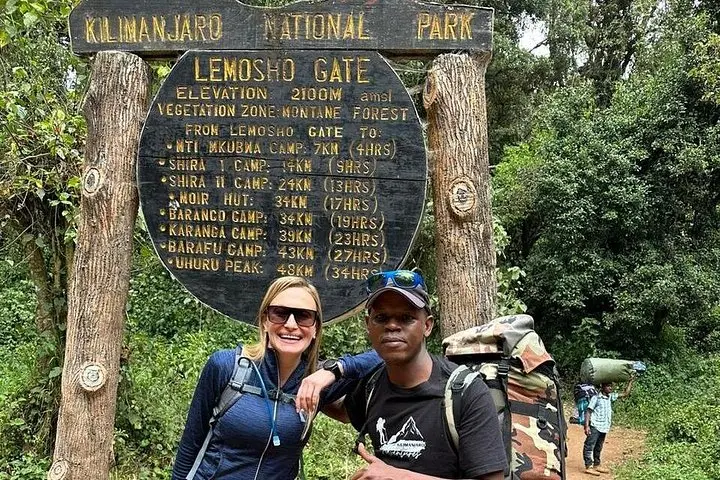
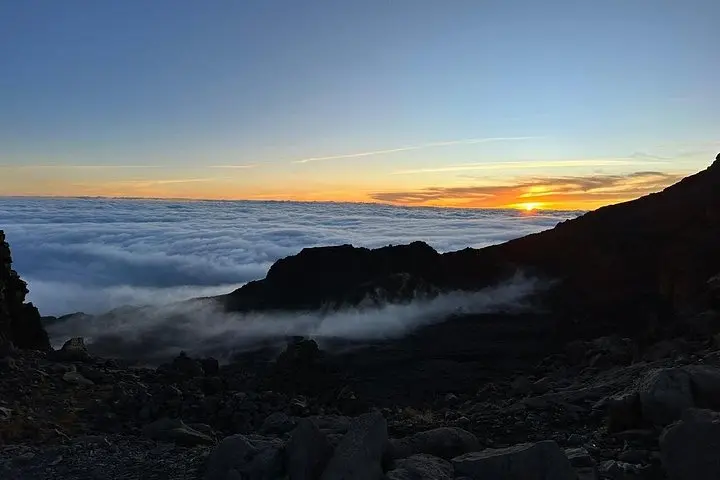
Dawn on the Lemosho ridge arrives blue and crisp; the silhouette of Kibo finishes the skyline like a slow-moving promise. You set out beneath a cathedral of moss-draped trees, the trail breathing out humidity and bird calls, and by afternoon the forest gives way to heather and lobelia that lean into the wind. Over eight days the mountain changes personality—lush and secretive at lower elevations, then austere and wind-scoured near the crater rim—each ecosystem asking for a slightly different pace and presence.
Verified experiences and guided adventures in the surrounding area.
Operated by Taste of Kilimanjaro Adventures · Moshi, Kilimanjaro Region
Dawn on the Lemosho ridge arrives blue and crisp; the silhouette of Kibo finishes the skyline like a slow-moving promise. You set out beneath a cathedral of moss-draped trees, the trail breathing out humidity and bird calls, and by afternoon the forest gives way to heather and lobelia that lean into the wind. Over eight days the mountain changes personality—lush and secretive at lower elevations, then austere and wind-scoured near the crater rim—each ecosystem asking for a slightly different pace and presence.
The Lemosho Route approaches Kilimanjaro from the west and is prized for scenery and acclimatization. The route passes through montane rainforest, the Shira Plateau's high grasslands, moorland populated by giant groundsel, alpine desert, and the glaciated summit cap of Kibo. Geologically, Kibo is the youngest of Kilimanjaro’s cones, a dormant stratovolcano whose mapped glaciers are shrinking but still define the summit skyline. Culturally, the trek is threaded with Chagga and Maasai histories—villages below Ogden you pass where coffee terraces and banana plantations mark centuries of human adaptation to this highland environment.
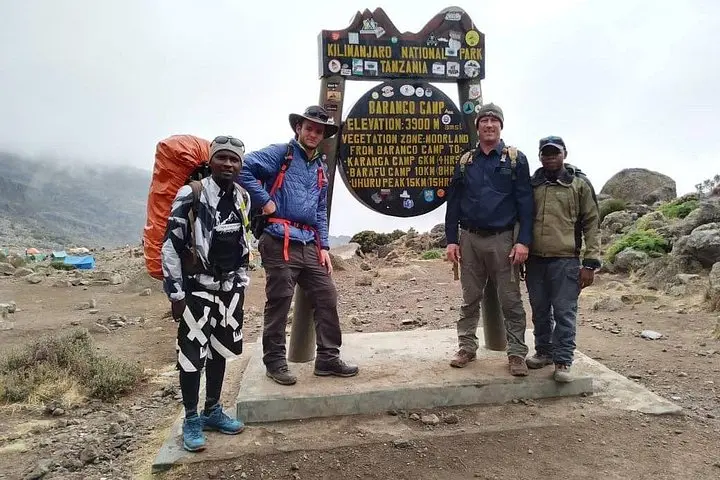
Guides and porters are the human backbone of the journey: they read weather, manage camps, and keep the itinerary calibrated to avoid altitude illness. The Lemosho Route’s eight-day profile deliberately stacks acclimatization days—Shira Plateau and the ascent past Lava Tower—improving summit odds compared with steeper, faster lines.
Practical notes: expect daily hiking of 4–9 hours with significant altitude gain concentrated on summit night (usually 11–15 hours round trip from the high camp). Trails vary from soft root-laced forest floor to loose volcanic scree and compacted trail on ridgelines. Temperatures swing widely; below the crater rim you’ll feel sun-warmed by day and brutally cold during summit descent.
Pack for layering, hydration, and slow, steady pacing. Fuel your body with salty snacks and small, frequent meals; oxygen levels fall fast above 3,500–4,000 m and symptoms can be subtle. Follow guide instructions for acclimatization and report headaches, nausea or breathlessness early. Respect porters—standard practice is tipping and checking that loads meet national regulations.
For travelers who want views without the crowds, start early each day and carry a small daypack for summit night essentials. Bring a headlamp with fresh batteries, and accept that the summit moment is a quiet, exhausted celebration; the mountain does not hand itself over easily, but when it does the panorama across Tanzania and Kenya is uncompromising.
If sustainable travel matters, choose operators who pay porters fairly and who follow Kilimanjaro National Park rules on waste and camping. The Lemosho Route rewards patience: each slow step is also a clearer view, and the summit feels earned rather than given.
No technical mountaineering skills are required, but prior multi-day trekking experience and good fitness significantly increase your chance of reaching the summit.
The clearest weather windows are January–February and June–October; March–May are the long rains and November–December may have short rains.
Summit night is the most demanding segment—expect 11–15 hours including ascent and descent, with steep sections, cold, and thin air; pacing and layering are crucial.
Camping is standard on Lemosho with tents and mattresses provided; two nights in town before and after the trek are usually in simple bed-and-breakfast lodgings.
Acute mountain sickness can occur; good operators emphasize acclimatization days, and guides will enforce slow ascent and monitor symptoms—be prepared to descend if needed.
Porters carry group equipment and personal kit up to operator weight limits; confirm weight limits with your operator and tip porters appropriately.
Taste of Kilimanjaro Adventures operates guided outdoor trips and adventures with an emphasis on safety, stewardship, and memorable experiences.
Dawn on the Lemosho ridge arrives blue and crisp; the silhouette of Kibo finishes the skyline like a slow-moving promise. You set out beneath a cathedral of moss-draped trees, the trail breathing out humidity and bird calls, and by afternoon the forest gives way to heather and lobelia that lean into the wind. Over eight days the mountain changes personality—lush and secretive at lower elevations, then austere and wind-scoured near the crater rim—each ecosystem asking for a slightly different pace and presence.
Dawn on the Lemosho ridge arrives blue and crisp; the silhouette of Kibo finishes the skyline like a slow-moving promise. You set out beneath a cathedral of moss-draped trees, the trail breathing out humidity and bird calls, and by afternoon the forest gives way to heather and lobelia that lean into the wind. Over eight days the mountain changes personality—lush and secretive at lower elevations, then austere and wind-scoured near the crater rim—each ecosystem asking for a slightly different pace and presence.
The Lemosho Route approaches Kilimanjaro from the west and is prized for scenery and acclimatization. The route passes through montane rainforest, the Shira Plateau's high grasslands, moorland populated by giant groundsel, alpine desert, and the glaciated summit cap of Kibo. Geologically, Kibo is the youngest of Kilimanjaro’s cones, a dormant stratovolcano whose mapped glaciers are shrinking but still define the summit skyline. Culturally, the trek is threaded with Chagga and Maasai histories—villages below Ogden you pass where coffee terraces and banana plantations mark centuries of human adaptation to this highland environment.
Guides and porters are the human backbone of the journey: they read weather, manage camps, and keep the itinerary calibrated to avoid altitude illness. The Lemosho Route’s eight-day profile deliberately stacks acclimatization days—Shira Plateau and the ascent past Lava Tower—improving summit odds compared with steeper, faster lines.
Practical notes: expect daily hiking of 4–9 hours with significant altitude gain concentrated on summit night (usually 11–15 hours round trip from the high camp). Trails vary from soft root-laced forest floor to loose volcanic scree and compacted trail on ridgelines. Temperatures swing widely; below the crater rim you’ll feel sun-warmed by day and brutally cold during summit descent.
Pack for layering, hydration, and slow, steady pacing. Fuel your body with salty snacks and small, frequent meals; oxygen levels fall fast above 3,500–4,000 m and symptoms can be subtle. Follow guide instructions for acclimatization and report headaches, nausea or breathlessness early. Respect porters—standard practice is tipping and checking that loads meet national regulations.
For travelers who want views without the crowds, start early each day and carry a small daypack for summit night essentials. Bring a headlamp with fresh batteries, and accept that the summit moment is a quiet, exhausted celebration; the mountain does not hand itself over easily, but when it does the panorama across Tanzania and Kenya is uncompromising.
If sustainable travel matters, choose operators who pay porters fairly and who follow Kilimanjaro National Park rules on waste and camping. The Lemosho Route rewards patience: each slow step is also a clearer view, and the summit feels earned rather than given.