THE ADVENTURE COLLECTIVE® · Independent discovery and booking for outdoor travel

Sail the Nile from Luxor to Aswan on an eight-day cruise that pairs relaxed river travel with guided visits to Karnak, the Valley of the Kings, Edfu, Kom Ombo, and Aswan’s highlights. Expect temple-firstlight, heated midday walks through tombs, and optional trips to Abu Simbel or Nubian villages.
Sail the Nile from Luxor to Aswan on an eight-day cruise that pairs relaxed river travel with guided visits to Karnak, the Valley of the Kings, Edfu, Kom Ombo, and Aswan’s highlights. Expect temple-firstlight, heated midday walks through tombs, and optional trips to Abu Simbel or Nubian villages.
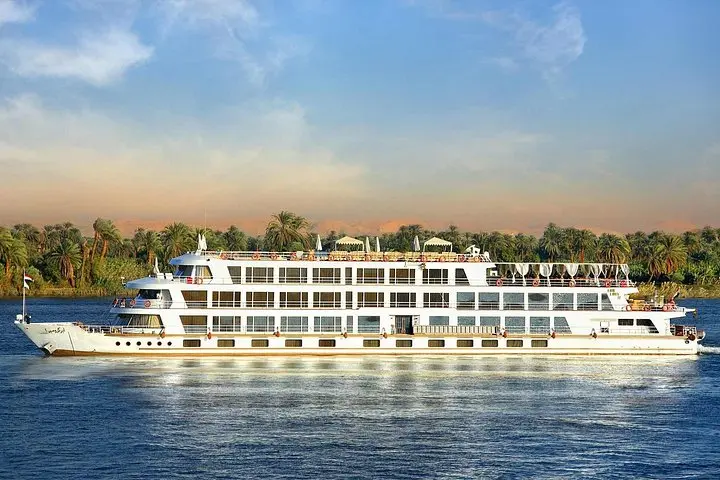
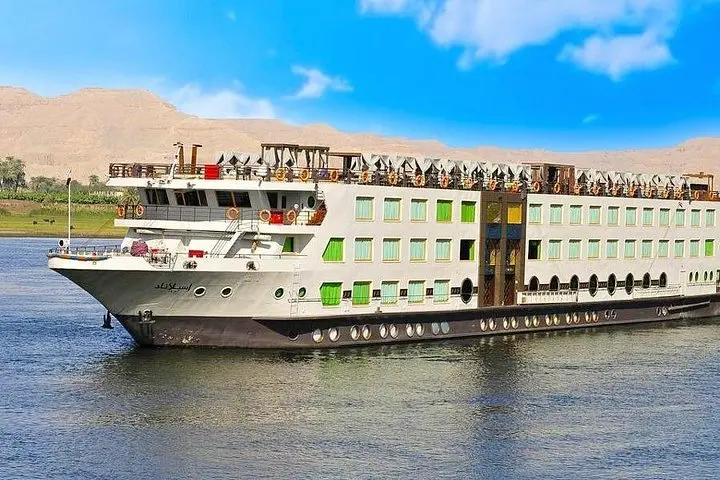
The deck tilts gently as the Nile slides past—muddy ribbon, palm-lined islands, and the occasional village where laundry snaps in the wind. Morning light pools on sandstone colossi; late afternoons find the river a sheet of molten bronze beneath the ship’s wake.
Verified experiences and guided adventures in the surrounding area.
Operated by CRUISE ERA · Luxor, Luxor Governorate
The deck tilts gently as the Nile slides past—muddy ribbon, palm-lined islands, and the occasional village where laundry snaps in the wind. Morning light pools on sandstone colossi; late afternoons find the river a sheet of molten bronze beneath the ship’s wake.
This eight-day Luxor–Aswan cruise pairs slow, comfortable travel with concentrated time at Egypt’s most iconic pharaonic sites. Begin on the East Bank at Karnak and Luxor Temples, then cross to the West Bank to enter the Valley of the Kings, Hatshepsut’s cliff-carved mortuary, and the Colossi of Memnon. As the boat moves south, it stops at Edfu’s Ptolemaic Temple of Horus and the dual sanctuary at Kom Ombo. In Aswan the High Dam, Philae on Agilkia Island, and the Unfinished Obelisk offer contrasts of ancient craft and modern engineering. Optional excursions extend to Abu Simbel or a motorboat visit to Nubian villages and Kitchener’s Botanical Garden.
Geology here is visible—limestone and sandstone cliffs framing the Nile’s fertile floodplain, and granite quarries that supplied obelisks and statuary. Culturally, the river still structures daily life; markets, feluccas, and traditional Nubian colors punctuate the landscape.
Practical notes: bring comfortable walking shoes for uneven tomb floors and temple steps, sun protection for exposed ruins, and small bills in Egyptian pounds for entrances and local purchases. Plan visits early in the day to avoid peak heat and crowds; keep a flexible day for optional Abu Simbel transfers. The cruise balances relaxed sailing with guided archaeology, ideal for travelers wanting depth without constant transit.
Entrance fees to the listed sights between Luxor and Aswan are included in the itinerary as specified; special optional excursions like Abu Simbel may require additional fees.
Most nationalities require a visa to enter Egypt—check current embassy or government guidance and arrange a tourist visa in advance or obtain an e-visa where eligible.
The tour notes wheelchair accessibility for transfers, but some sites (tombs, temple ramps) have uneven terrain and limited access—contact the operator about specific needs before booking.
Yes—Abu Simbel is offered as an optional early-morning excursion by private vehicle; it typically adds several hours to the day and may incur an extra charge.
CRUISE ERA operates guided outdoor trips and adventures with an emphasis on safety, stewardship, and memorable experiences.

The deck tilts gently as the Nile slides past—muddy ribbon, palm-lined islands, and the occasional village where laundry snaps in the wind. Morning light pools on sandstone colossi; late afternoons find the river a sheet of molten bronze beneath the ship’s wake.
The deck tilts gently as the Nile slides past—muddy ribbon, palm-lined islands, and the occasional village where laundry snaps in the wind. Morning light pools on sandstone colossi; late afternoons find the river a sheet of molten bronze beneath the ship’s wake.
This eight-day Luxor–Aswan cruise pairs slow, comfortable travel with concentrated time at Egypt’s most iconic pharaonic sites. Begin on the East Bank at Karnak and Luxor Temples, then cross to the West Bank to enter the Valley of the Kings, Hatshepsut’s cliff-carved mortuary, and the Colossi of Memnon. As the boat moves south, it stops at Edfu’s Ptolemaic Temple of Horus and the dual sanctuary at Kom Ombo. In Aswan the High Dam, Philae on Agilkia Island, and the Unfinished Obelisk offer contrasts of ancient craft and modern engineering. Optional excursions extend to Abu Simbel or a motorboat visit to Nubian villages and Kitchener’s Botanical Garden.
Geology here is visible—limestone and sandstone cliffs framing the Nile’s fertile floodplain, and granite quarries that supplied obelisks and statuary. Culturally, the river still structures daily life; markets, feluccas, and traditional Nubian colors punctuate the landscape.
Practical notes: bring comfortable walking shoes for uneven tomb floors and temple steps, sun protection for exposed ruins, and small bills in Egyptian pounds for entrances and local purchases. Plan visits early in the day to avoid peak heat and crowds; keep a flexible day for optional Abu Simbel transfers. The cruise balances relaxed sailing with guided archaeology, ideal for travelers wanting depth without constant transit.