THE ADVENTURE COLLECTIVE® · Independent discovery and booking for outdoor travel

Circle Kilimanjaro on the Northern Circuit: an 8‑day, less‑traveled route that maximizes acclimatization and views. This guide covers terrain, history, and the practical gear, pacing and tips you’ll need to reach Uhuru Peak.
Circle Kilimanjaro on the Northern Circuit: an 8‑day, less‑traveled route that maximizes acclimatization and views. This guide covers terrain, history, and the practical gear, pacing and tips you’ll need to reach Uhuru Peak.
Night falls on the lower rainforest and the mountain looms as a dark bulk against a sky bright with stars; headlamps become constellations of their own as you set out on an 8‑day circuit that circles Kilimanjaro. The Northern Circuit starts in the Lemosho/Londorossi area, winds around Kibo’s lesser-seen faces, and delivers its summit from the east before a long descent to Mweka — you see the whole mountain, not just a single flank.
Verified experiences and guided adventures in the surrounding area.
Operated by Duma Explorer · Moshi, Kilimanjaro Region
Night falls on the lower rainforest and the mountain looms as a dark bulk against a sky bright with stars; headlamps become constellations of their own as you set out on an 8‑day circuit that circles Kilimanjaro. The Northern Circuit starts in the Lemosho/Londorossi area, winds around Kibo’s lesser-seen faces, and delivers its summit from the east before a long descent to Mweka — you see the whole mountain, not just a single flank.
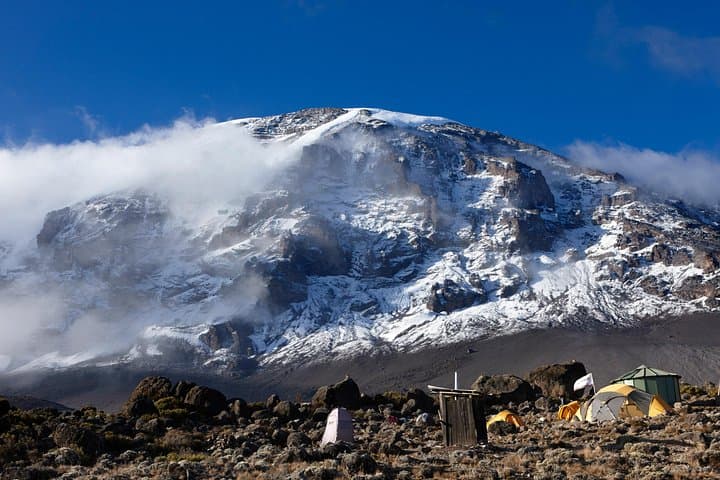
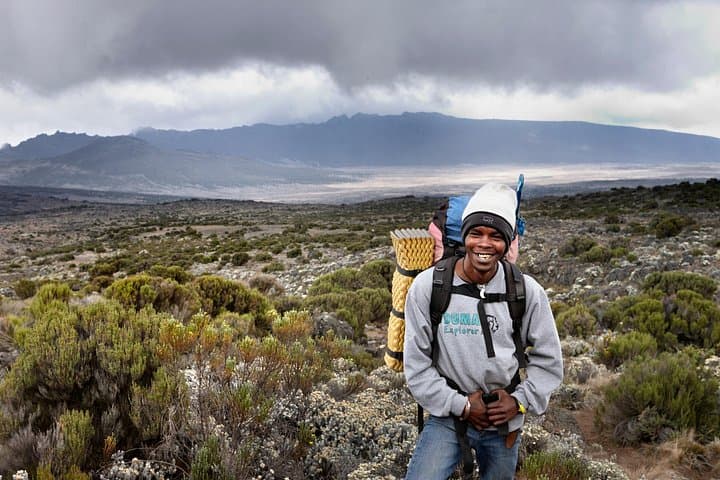
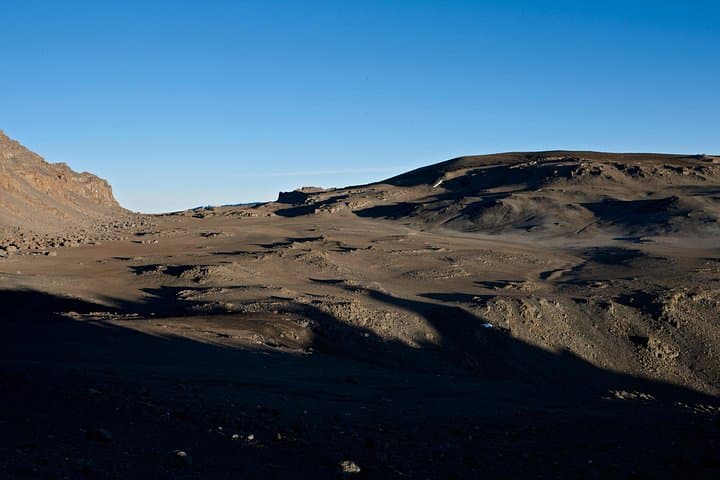
Geologically Kilimanjaro is a stratovolcano composed of three cones — Kibo, Mawenzi and Shira — whose ancient eruptions left the plateau and cliffs you traverse. Culturally the slopes are tied to Chaga agricultural communities below and the mountain has been an object of regional reverence and early exploration since the 19th century. The Northern Circuit’s extra days mean better acclimatization: you pass rainforest, heath and moorland, exposed alpine desert, then the summit crater. Expect gray lava fields, jagged boulder gardens, and the remaining snows of Kibo that resist the sun.
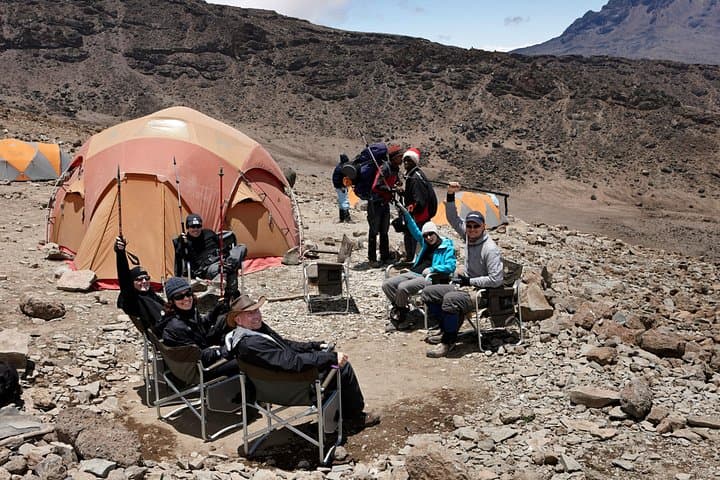
Practically: carry layered, high-altitude clothing, plan for very early summit departures, and prioritize slow, steady pacing (pole pole). Drink often, keep calorie intake high, and follow your guide’s pacing to mitigate altitude sickness. Camps are tented; porters set up and cooks provide hot meals. Weather can flip from wind to bright sun in minutes — respect the mountain’s moods. With eight days and a professional crew, the route offers the highest realistic chance of standing on Uhuru Peak at 5,895 m, returning down through forest to warm showers, certificates and a cold beer in Arusha or Moshi.
No technical climbing is required; the route is a strenuous trek with steep sections, but no ropes or crampons for the standard paths.
It’s the longest route, offering greater acclimatization, solitude, and panoramic views because it circles Kibo before approaching the summit.
Ascend slowly, stay well hydrated, eat regularly, sleep lower than you ascend for acclimatization climbs, and communicate symptoms to your guide immediately.
This itinerary includes park/concession fees and camping equipment; confirm final inclusions with the operator before booking.
Duma Explorer operates guided outdoor trips and adventures with an emphasis on safety, stewardship, and memorable experiences.
Night falls on the lower rainforest and the mountain looms as a dark bulk against a sky bright with stars; headlamps become constellations of their own as you set out on an 8‑day circuit that circles Kilimanjaro. The Northern Circuit starts in the Lemosho/Londorossi area, winds around Kibo’s lesser-seen faces, and delivers its summit from the east before a long descent to Mweka — you see the whole mountain, not just a single flank.
Night falls on the lower rainforest and the mountain looms as a dark bulk against a sky bright with stars; headlamps become constellations of their own as you set out on an 8‑day circuit that circles Kilimanjaro. The Northern Circuit starts in the Lemosho/Londorossi area, winds around Kibo’s lesser-seen faces, and delivers its summit from the east before a long descent to Mweka — you see the whole mountain, not just a single flank.
Geologically Kilimanjaro is a stratovolcano composed of three cones — Kibo, Mawenzi and Shira — whose ancient eruptions left the plateau and cliffs you traverse. Culturally the slopes are tied to Chaga agricultural communities below and the mountain has been an object of regional reverence and early exploration since the 19th century. The Northern Circuit’s extra days mean better acclimatization: you pass rainforest, heath and moorland, exposed alpine desert, then the summit crater. Expect gray lava fields, jagged boulder gardens, and the remaining snows of Kibo that resist the sun.
Practically: carry layered, high-altitude clothing, plan for very early summit departures, and prioritize slow, steady pacing (pole pole). Drink often, keep calorie intake high, and follow your guide’s pacing to mitigate altitude sickness. Camps are tented; porters set up and cooks provide hot meals. Weather can flip from wind to bright sun in minutes — respect the mountain’s moods. With eight days and a professional crew, the route offers the highest realistic chance of standing on Uhuru Peak at 5,895 m, returning down through forest to warm showers, certificates and a cold beer in Arusha or Moshi.