THE ADVENTURE COLLECTIVE® · Independent discovery and booking for outdoor travel

Trace ancient trade routes and alpine lakes on an eight‑day circuit from Baku into the Greater Caucasus. This private tour pairs historic sites—palaces, mosques and caravanserais—with highland scenery, artisan visits and guided tastings.
Trace ancient trade routes and alpine lakes on an eight‑day circuit from Baku into the Greater Caucasus. This private tour pairs historic sites—palaces, mosques and caravanserais—with highland scenery, artisan visits and guided tastings.
A cool morning fog lifts off the forested shores of Goygol as a private minivan winds away from Baku and into the spine of the Greater Caucasus. Travelers step from modern asphalt into stone alleys, alpine meadows and glassy lakes; the landscape rearranges itself by the hour—rivers daring you toward gorges, and mountain ridges pushing the horizon higher.
Verified experiences and guided adventures in the surrounding area.
Operated by VLA_tourism · Baku, Baku
A cool morning fog lifts off the forested shores of Goygol as a private minivan winds away from Baku and into the spine of the Greater Caucasus. Travelers step from modern asphalt into stone alleys, alpine meadows and glassy lakes; the landscape rearranges itself by the hour—rivers daring you toward gorges, and mountain ridges pushing the horizon higher.
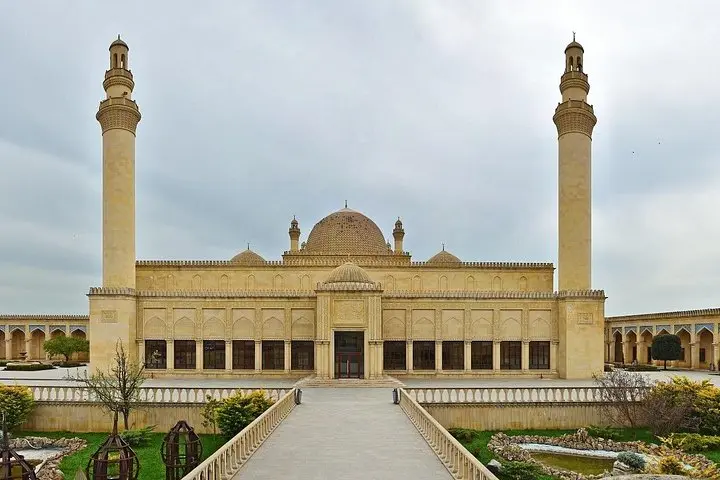
Across eight days the route threads Shamakhi’s 15th‑century mausoleums, Lahij’s copper workshops, cable‑car air over Tufandag, and Sheki’s silk and shebeke palaces. Geology here is visible: folded limestone ridges, glacial basins that hold lakes like Goygol, and alluvial terraces that fed Silk Road towns for centuries. Cultural layers are equally tangible—Shirvanshah architecture, Caucasian Albanian churches, and caravanserais that mark old trade arteries.
Local life remains artisanal; halva and wine tastings reveal how microclimates shape flavor. Guides frame each stop with historical context so monuments feel like chapters rather than checkboxes.
Practical note: expect long drives between dispersed sites; pacing is deliberately gentle, with short walks and museum visits rather than sustained hiking. Footwear should grip wet stone and compacted dirt; bring a daypack for water, camera and layers. Hydrate in warm months and allow extra time for mountain weather that can change fast. Morning light is best for photography in highlands; reserve afternoons for village visits when artisans are at work.
This itinerary suits travelers who want the outdoors stitched together with culture—active in curiosity, but not in technical exertion.
The itinerary is rated easy: most movement is on paved or compact dirt surfaces and includes short walks; no technical hiking is required.
There are three booking tiers: guide+driver only; guide+driver with entry tickets; and an all‑inclusive option that also covers 7 nights at 4* hotels and some meals—confirm your selection at booking.
Yes. Several stops, especially in Sheki and Ganja, leave free time for independent exploration within walking distance of recommended accommodations.
Yes. The tour is private and can accommodate solo travelers, couples and families; infants must sit on laps and special requirements should be noted at booking.
VLA_tourism operates guided outdoor trips and adventures with an emphasis on safety, stewardship, and memorable experiences.
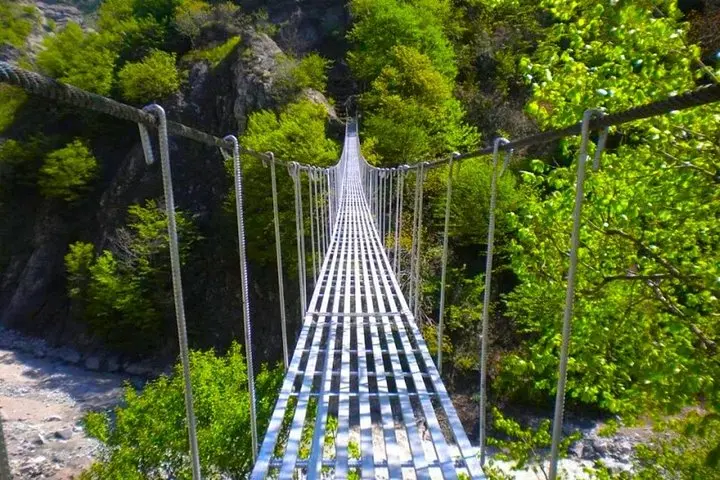
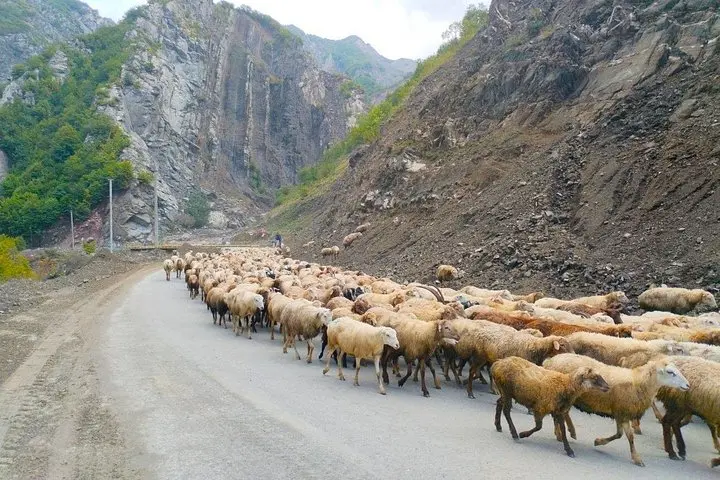
A cool morning fog lifts off the forested shores of Goygol as a private minivan winds away from Baku and into the spine of the Greater Caucasus. Travelers step from modern asphalt into stone alleys, alpine meadows and glassy lakes; the landscape rearranges itself by the hour—rivers daring you toward gorges, and mountain ridges pushing the horizon higher.
A cool morning fog lifts off the forested shores of Goygol as a private minivan winds away from Baku and into the spine of the Greater Caucasus. Travelers step from modern asphalt into stone alleys, alpine meadows and glassy lakes; the landscape rearranges itself by the hour—rivers daring you toward gorges, and mountain ridges pushing the horizon higher.
Across eight days the route threads Shamakhi’s 15th‑century mausoleums, Lahij’s copper workshops, cable‑car air over Tufandag, and Sheki’s silk and shebeke palaces. Geology here is visible: folded limestone ridges, glacial basins that hold lakes like Goygol, and alluvial terraces that fed Silk Road towns for centuries. Cultural layers are equally tangible—Shirvanshah architecture, Caucasian Albanian churches, and caravanserais that mark old trade arteries.
Local life remains artisanal; halva and wine tastings reveal how microclimates shape flavor. Guides frame each stop with historical context so monuments feel like chapters rather than checkboxes.
Practical note: expect long drives between dispersed sites; pacing is deliberately gentle, with short walks and museum visits rather than sustained hiking. Footwear should grip wet stone and compacted dirt; bring a daypack for water, camera and layers. Hydrate in warm months and allow extra time for mountain weather that can change fast. Morning light is best for photography in highlands; reserve afternoons for village visits when artisans are at work.
This itinerary suits travelers who want the outdoors stitched together with culture—active in curiosity, but not in technical exertion.