THE ADVENTURE COLLECTIVE® · Independent discovery and booking for outdoor travel

Spend eight days tracing the Omo River between tribal villages, wooden-boat crossings, and nights around campfires. This expedition blends close cultural encounters with rugged travel — expect long drives, market rituals, and tucked-away villages.
Spend eight days tracing the Omo River between tribal villages, wooden-boat crossings, and nights around campfires. This expedition blends close cultural encounters with rugged travel — expect long drives, market rituals, and tucked-away villages.
Dust on the road and laughter from a market stall — the Omo Valley pulls you out of the car and into a landscape that moves at the rhythm of river crossings and ritual drums.
Verified experiences and guided adventures in the surrounding area.
Operated by Omo National Park, River And Tribes · Jinka, Southern Nations, Nationalities, and Peoples' Region
Dust on the road and laughter from a market stall — the Omo Valley pulls you out of the car and into a landscape that moves at the rhythm of river crossings and ritual drums.
Over eight days you’ll ride between villages carved into ridgelines, cross the Omo River in wooden boats, and sleep under canvas near camps where embers keep the night warm. The valley’s deep, fertile gorge was carved by the Omo River over millennia; volcanic highlands frame wide floodplains where flood cycles still dictate planting and ceremony.
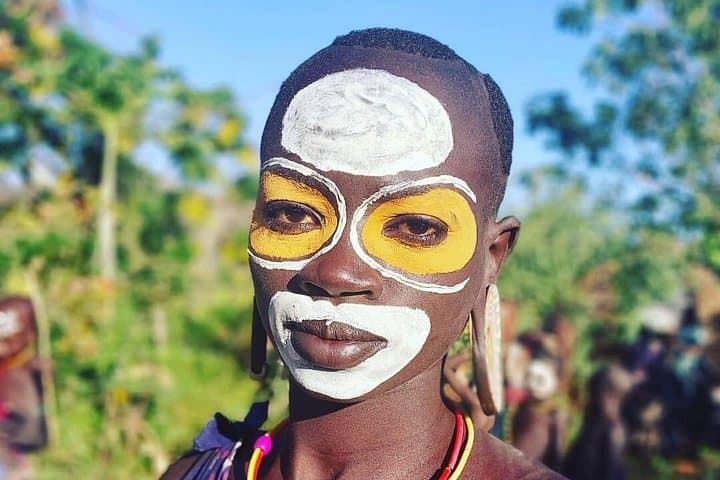
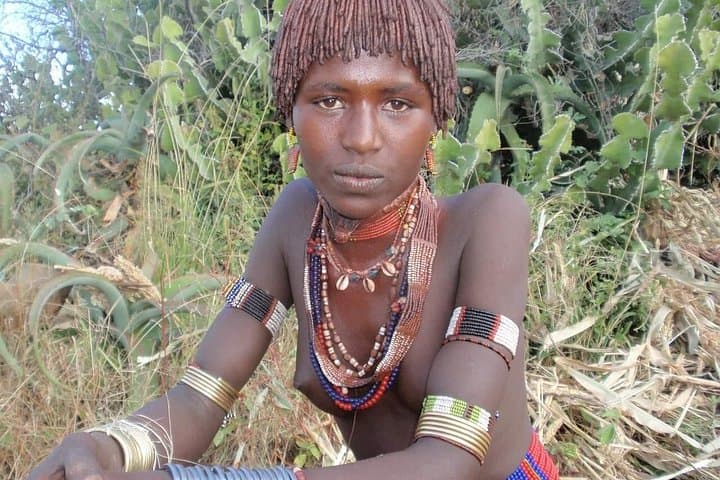
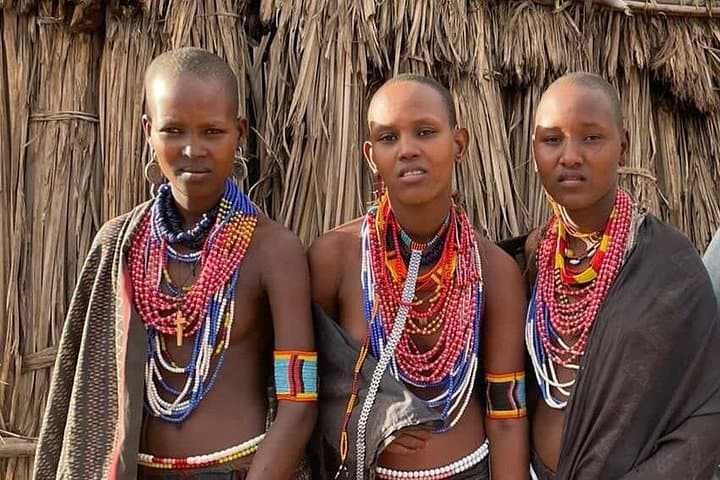
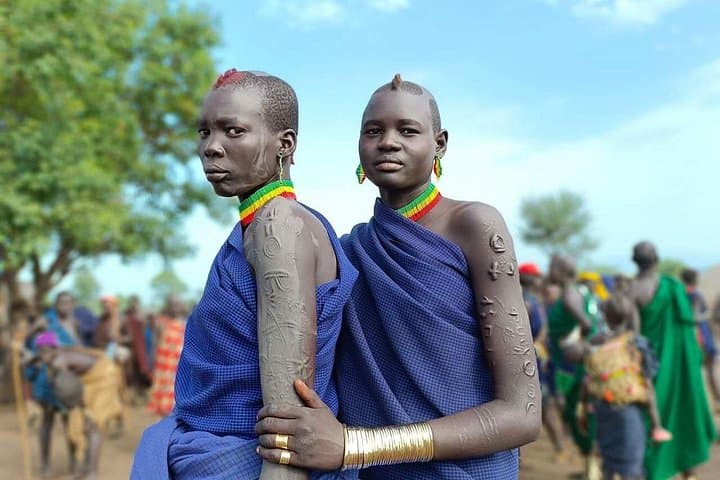
This is a cultural expedition as much as a landscape journey. The region is home to diverse groups — Mursi, Bodi, Hamer, Suri, Nyangatom, Karo, Konso, Dorze — each with distinct body art, dress, and social rites. Konso terraced stone villages echo pragmatic engineering; Dorze huts display complex weaving traditions. Expect candid market scenes, ceremonial body painting, and the occasional cattle ritual; guides facilitate introductions and explain local protocols.
Practicalities matter: roads are rough, distances between villages can be long, and mobile reception is intermittent. Pack neutral clothing for cultural respect, sturdy shoes for uneven ground, and a sense of patience for logistics. Hydrate aggressively in daytime heat, carry cash in small denominations for markets and local fees, and bring a good camera with extra batteries — cold nights and dusty days will drain power fast.
Timing your visit for market days and early mornings maximizes encounters with ceremonies and wildlife viewing. With attentive guides and modest expectations, this expedition offers direct cultural exchange and rugged riverscape scenery — unvarnished, demanding, and unforgettable.
Consult your doctor for routine vaccinations and malaria prophylaxis; malaria risk exists in lowland river valleys, so prevention and mosquito protection are recommended.
Ethiopian birr is used; carry cash in small denominations — ATMs are available in Jinka and Arba Minch but are limited outside those towns.
The itinerary involves uneven ground, river crossings, and extended drives; not recommended for travelers with serious mobility limitations or very young children.
Wear modest, neutral clothing that covers shoulders and knees, ask before taking photos, and follow your guide’s lead for appropriate interaction and gift-giving.
Omo National Park, River And Tribes operates guided outdoor trips and adventures with an emphasis on safety, stewardship, and memorable experiences.
Dust on the road and laughter from a market stall — the Omo Valley pulls you out of the car and into a landscape that moves at the rhythm of river crossings and ritual drums.
Dust on the road and laughter from a market stall — the Omo Valley pulls you out of the car and into a landscape that moves at the rhythm of river crossings and ritual drums.
Over eight days you’ll ride between villages carved into ridgelines, cross the Omo River in wooden boats, and sleep under canvas near camps where embers keep the night warm. The valley’s deep, fertile gorge was carved by the Omo River over millennia; volcanic highlands frame wide floodplains where flood cycles still dictate planting and ceremony.
This is a cultural expedition as much as a landscape journey. The region is home to diverse groups — Mursi, Bodi, Hamer, Suri, Nyangatom, Karo, Konso, Dorze — each with distinct body art, dress, and social rites. Konso terraced stone villages echo pragmatic engineering; Dorze huts display complex weaving traditions. Expect candid market scenes, ceremonial body painting, and the occasional cattle ritual; guides facilitate introductions and explain local protocols.
Practicalities matter: roads are rough, distances between villages can be long, and mobile reception is intermittent. Pack neutral clothing for cultural respect, sturdy shoes for uneven ground, and a sense of patience for logistics. Hydrate aggressively in daytime heat, carry cash in small denominations for markets and local fees, and bring a good camera with extra batteries — cold nights and dusty days will drain power fast.
Timing your visit for market days and early mornings maximizes encounters with ceremonies and wildlife viewing. With attentive guides and modest expectations, this expedition offers direct cultural exchange and rugged riverscape scenery — unvarnished, demanding, and unforgettable.