THE ADVENTURE COLLECTIVE® · Independent discovery and booking for outdoor travel

An eight-day circuit through the Inca heartland: city ruins in Cusco, the agricultural terraces of the Sacred Valley, a guided visit to Machu Picchu, a high-altitude trek to Humantay Lagoon, and cultural boat visits on Lake Titicaca. Expect varied terrain, high elevation, and rich cultural encounters.
An eight-day circuit through the Inca heartland: city ruins in Cusco, the agricultural terraces of the Sacred Valley, a guided visit to Machu Picchu, a high-altitude trek to Humantay Lagoon, and cultural boat visits on Lake Titicaca. Expect varied terrain, high elevation, and rich cultural encounters.
You step off the airport shuttle into thin, cool air and the plaza of Cusco opens like a working stage — cobbled streets, colonial balconies, and the squat lines of Inca stone beneath Spanish facades.
Verified experiences and guided adventures in the surrounding area.
Operated by Travel China Guide · Cusco, Cusco
You step off the airport shuttle into thin, cool air and the plaza of Cusco opens like a working stage — cobbled streets, colonial balconies, and the squat lines of Inca stone beneath Spanish facades.
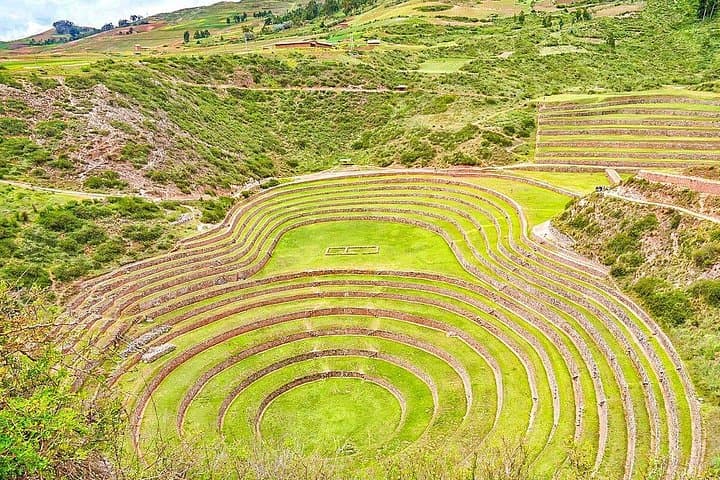
Over eight days the itinerary moves from high-city history to mountain glaciers and the broad blue of Lake Titicaca. In Cusco, Qorikancha and Sacsayhuamán sketch the engineering skill of the Inca: precisely cut stones and massive terrace walls that still hold. Driving the Sacred Valley, terraces at Pisac and the concentric agricultural laboratory at Moray reveal practical ingenuity; Maras’s salt pans glaze a steep slope like a stepped mirror.
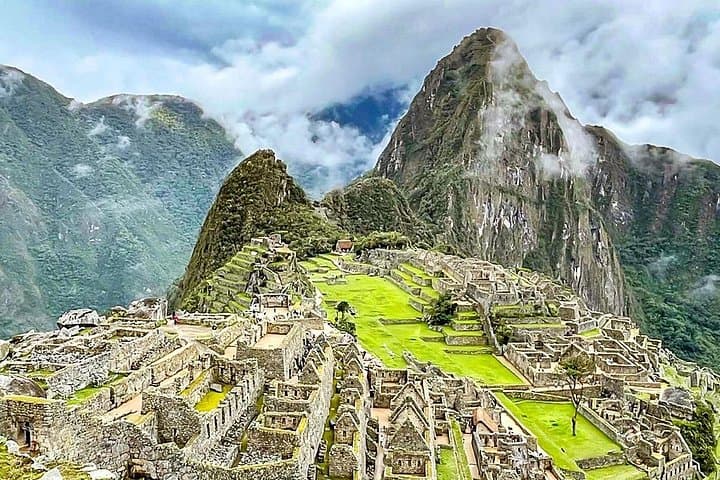
Machu Picchu arrives after a scenic Vistadome train and a short bus climb — the citadel sits where the Urubamba River insists on carving a deep gorge, and the ruins confront you with dry-stone terraces and trapezoidal doorways tuned to mountain light. Further southeast, the trail to Humantay Lagoon climbs through puna grass to an alpine mirror at 4,200 m. The trip finishes on Lake Titicaca, where the Uros reed islands and Taquile’s terraces demonstrate living traditions adapted to water.
Practical edge: expect long transfers and high altitudes; pace your breathing, hydrate, and allow an easy first day in Cusco. Weather shifts fast — sun, wind and shower can come in an hour at 3,800–4,200 m. Footwear with ankle support, layered insulation, sunscreen and a small daypack make daily transitions simple. Guides handle most logistics; confirm Machu Picchu entrance details and train times before arrival.
Yes — Cusco and many sites are above 3,300 m; acclimatize slowly, hydrate, avoid alcohol on day one, and notify your guide if symptoms worsen.
This tour includes round-trip Vistadome train service from Ollantaytambo to Aguas Calientes and a guided visit, but always confirm whether Machu Picchu entrance fees are covered when booking.
Machu Picchu’s guided circuit is typically a 2–3 hour walk across terraces and ramps; the Humantay hike is a 2-hour uphill trek (one way) from Soraypampa, requiring moderate fitness.
Lake Titicaca is cold year-round; boat visits to Uros and Taquile are short and safe with local operators, but dress warmly and expect wind on open water.
Travel China Guide operates guided outdoor trips and adventures with an emphasis on safety, stewardship, and memorable experiences.
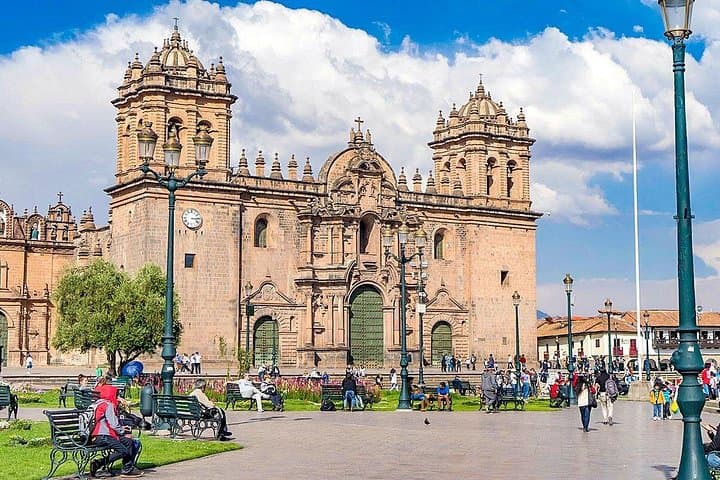
You step off the airport shuttle into thin, cool air and the plaza of Cusco opens like a working stage — cobbled streets, colonial balconies, and the squat lines of Inca stone beneath Spanish facades.
You step off the airport shuttle into thin, cool air and the plaza of Cusco opens like a working stage — cobbled streets, colonial balconies, and the squat lines of Inca stone beneath Spanish facades.
Over eight days the itinerary moves from high-city history to mountain glaciers and the broad blue of Lake Titicaca. In Cusco, Qorikancha and Sacsayhuamán sketch the engineering skill of the Inca: precisely cut stones and massive terrace walls that still hold. Driving the Sacred Valley, terraces at Pisac and the concentric agricultural laboratory at Moray reveal practical ingenuity; Maras’s salt pans glaze a steep slope like a stepped mirror.
Machu Picchu arrives after a scenic Vistadome train and a short bus climb — the citadel sits where the Urubamba River insists on carving a deep gorge, and the ruins confront you with dry-stone terraces and trapezoidal doorways tuned to mountain light. Further southeast, the trail to Humantay Lagoon climbs through puna grass to an alpine mirror at 4,200 m. The trip finishes on Lake Titicaca, where the Uros reed islands and Taquile’s terraces demonstrate living traditions adapted to water.
Practical edge: expect long transfers and high altitudes; pace your breathing, hydrate, and allow an easy first day in Cusco. Weather shifts fast — sun, wind and shower can come in an hour at 3,800–4,200 m. Footwear with ankle support, layered insulation, sunscreen and a small daypack make daily transitions simple. Guides handle most logistics; confirm Machu Picchu entrance details and train times before arrival.