THE ADVENTURE COLLECTIVE® · Independent discovery and booking for outdoor travel

Spend eight days combining focused English lessons with guided visits to Westminster, the British Museum, Shakespeare’s Globe and a day trip to Bath and Stonehenge. Expect daily walks, museum time and afternoon classroom sessions that use London’s landmarks as teaching tools.
Spend eight days combining focused English lessons with guided visits to Westminster, the British Museum, Shakespeare’s Globe and a day trip to Bath and Stonehenge. Expect daily walks, museum time and afternoon classroom sessions that use London’s landmarks as teaching tools.
You step out of a black cab and the Thames greets you — gray, quick, insistently moving past stone quays and iron bridges. Over the week the city will change its face from Gothic Westminster to the clean curves of the Tate Modern, from crowded Oxford Street to the hush of the Roman Baths in Bath and the standing stones at Stonehenge.
Verified experiences and guided adventures in the surrounding area.
Operated by Tourope UK · London, England
You step out of a black cab and the Thames greets you — gray, quick, insistently moving past stone quays and iron bridges. Over the week the city will change its face from Gothic Westminster to the clean curves of the Tate Modern, from crowded Oxford Street to the hush of the Roman Baths in Bath and the standing stones at Stonehenge.
This program threads classroom time with guided site visits: Westminster’s medieval origins and 19th‑century Palace of Parliament architecture, the British Museum’s sweep of empires, Shakespeare’s Bankside, and St Paul’s post‑Great Fire rebuild by Sir Christopher Wren. Geology and urban growth surface too — London sits on Thames alluvium and London Clay, the soils that shaped its bridges, basements and the very layout of Victorian streets.
Culturally, expect a curriculum built around royal ceremony, parliamentary history and everyday British life; lessons use nearby monuments as living textbooks. Outside the classroom, experienced guides bring anecdotes about civic rituals, wartime rebuilding, and the city’s role in global trade.
Practical guidance: plan for sustained walking—3–6 miles some days—so bring supportive footwear and a compact waterproof. Public transport is efficient; an Oyster or contactless card speeds travel between lessons and attractions. Pace study sessions around museum opening times to avoid queues, and keep midday windows free for classroom lessons scheduled in the afternoons. Hydrate, carry a compact umbrella, and reserve a free day at the end to soak in a local neighborhood cafe — London rewards those who move steadily and look up.
Visa requirements depend on your nationality—check UK government guidance well before booking and have passport details ready for booking questions.
Some entries (e.g., London Dungeon, Stonehenge) may be included per itinerary notes; confirm specific admissions at booking and carry ID for reserved tickets.
Expect moderate walking—typically 3–6 miles a day across mixed urban terrain with regular stops for instruction and breaks.
Options include homestays with English-speaking families or school dorms; confirm your selection before arrival since logistics and transfers depend on it.
Tourope UK operates guided outdoor trips and adventures with an emphasis on safety, stewardship, and memorable experiences.
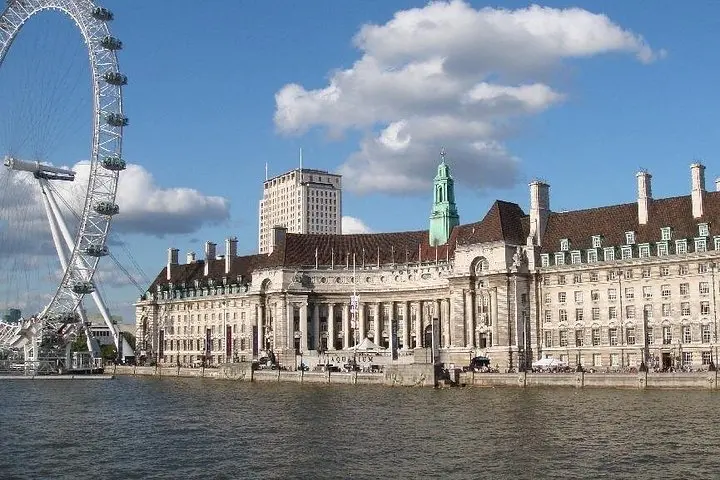
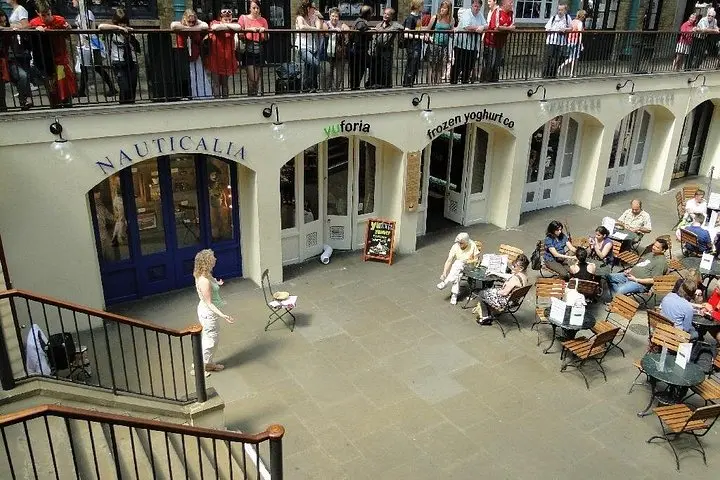
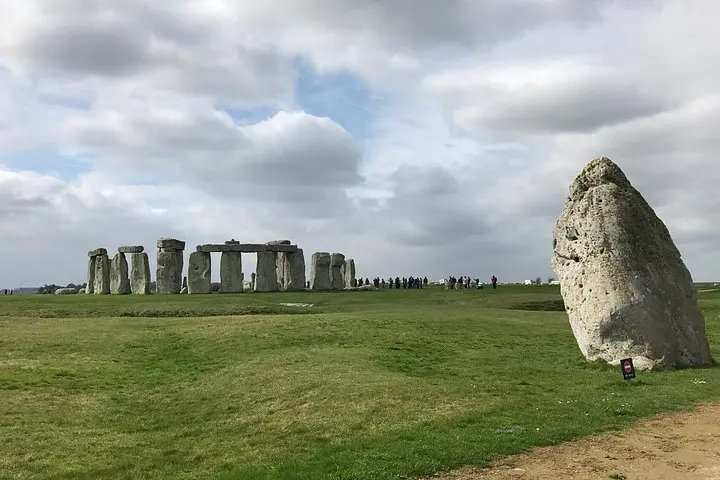
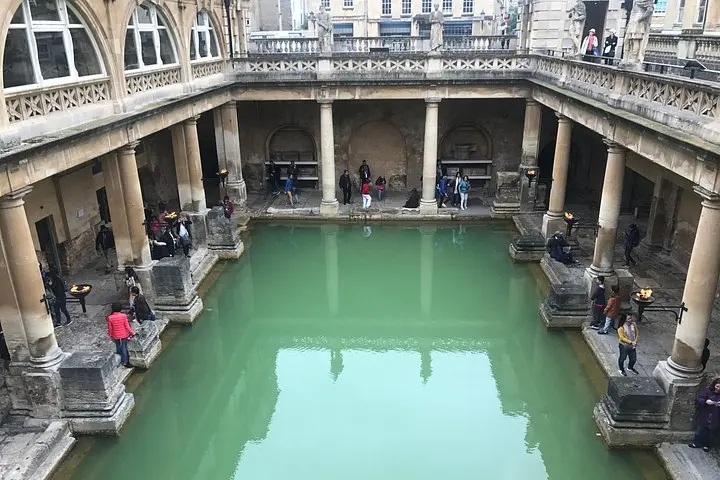
You step out of a black cab and the Thames greets you — gray, quick, insistently moving past stone quays and iron bridges. Over the week the city will change its face from Gothic Westminster to the clean curves of the Tate Modern, from crowded Oxford Street to the hush of the Roman Baths in Bath and the standing stones at Stonehenge.
You step out of a black cab and the Thames greets you — gray, quick, insistently moving past stone quays and iron bridges. Over the week the city will change its face from Gothic Westminster to the clean curves of the Tate Modern, from crowded Oxford Street to the hush of the Roman Baths in Bath and the standing stones at Stonehenge.
This program threads classroom time with guided site visits: Westminster’s medieval origins and 19th‑century Palace of Parliament architecture, the British Museum’s sweep of empires, Shakespeare’s Bankside, and St Paul’s post‑Great Fire rebuild by Sir Christopher Wren. Geology and urban growth surface too — London sits on Thames alluvium and London Clay, the soils that shaped its bridges, basements and the very layout of Victorian streets.
Culturally, expect a curriculum built around royal ceremony, parliamentary history and everyday British life; lessons use nearby monuments as living textbooks. Outside the classroom, experienced guides bring anecdotes about civic rituals, wartime rebuilding, and the city’s role in global trade.
Practical guidance: plan for sustained walking—3–6 miles some days—so bring supportive footwear and a compact waterproof. Public transport is efficient; an Oyster or contactless card speeds travel between lessons and attractions. Pace study sessions around museum opening times to avoid queues, and keep midday windows free for classroom lessons scheduled in the afternoons. Hydrate, carry a compact umbrella, and reserve a free day at the end to soak in a local neighborhood cafe — London rewards those who move steadily and look up.