THE ADVENTURE COLLECTIVE® · Independent discovery and booking for outdoor travel

An eight-day private circuit that links Kathmandu’s UNESCO sites, Chitwan’s jungle plains, Lumbini’s sacred gardens, and Pokhara’s lake and mountain panoramas. Expect guided cultural tours, river canoeing and wildlife safaris, and scenic drives between varied landscapes.
An eight-day private circuit that links Kathmandu’s UNESCO sites, Chitwan’s jungle plains, Lumbini’s sacred gardens, and Pokhara’s lake and mountain panoramas. Expect guided cultural tours, river canoeing and wildlife safaris, and scenic drives between varied landscapes.
You step out into Kathmandu’s cool morning air and the city pushes softly against you—prayer flags snap like small cheers, temple bells punctuate market calls, and the valley hums with a history that sits close to the stone.
Verified experiences and guided adventures in the surrounding area.
Operated by Himalayanwalkers · Kathmandu, Bagmati Province
You step out into Kathmandu’s cool morning air and the city pushes softly against you—prayer flags snap like small cheers, temple bells punctuate market calls, and the valley hums with a history that sits close to the stone.
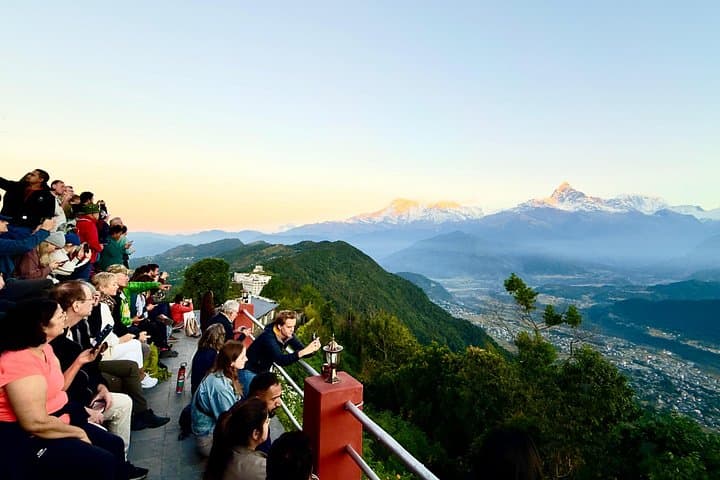
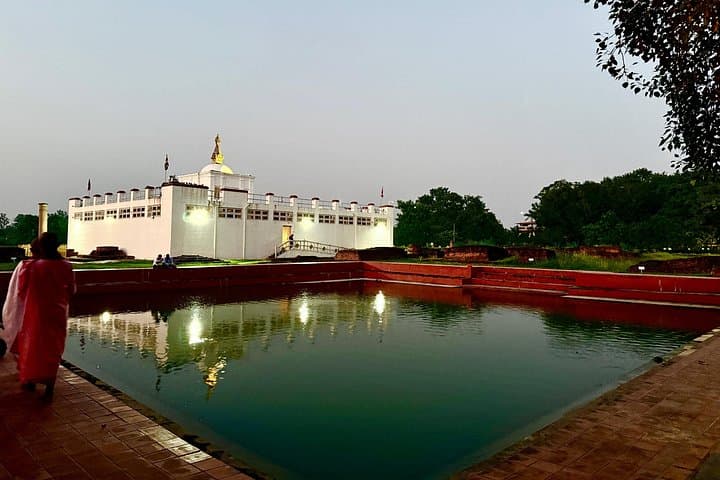
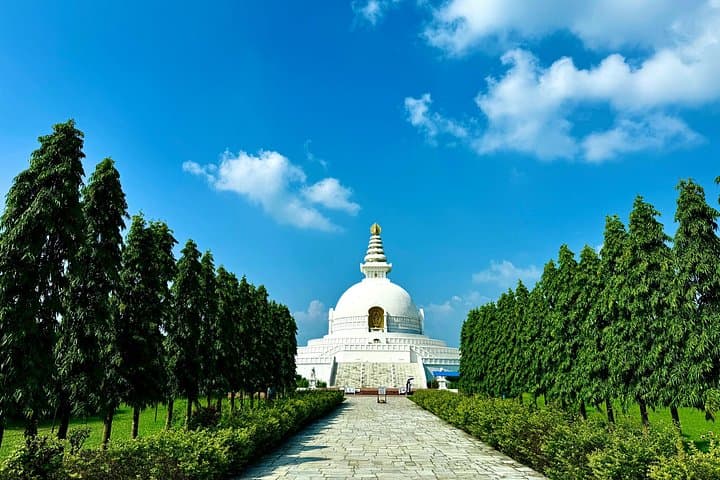
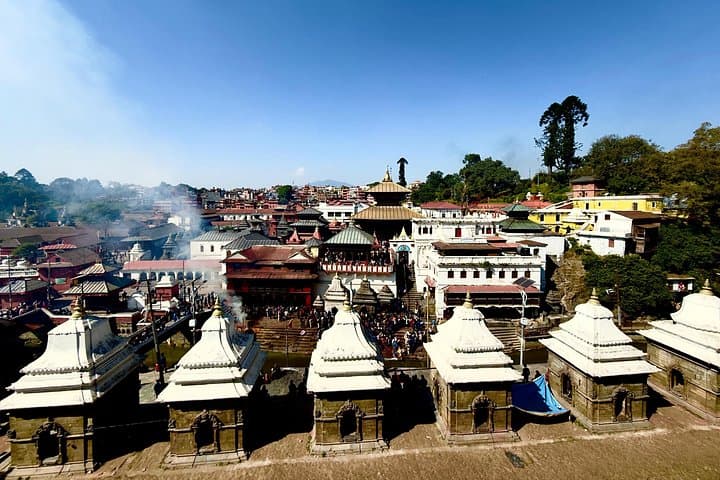
Over eight days this private loop moves from Kathmandu’s UNESCO shrines to the subtropical plains of Chitwan, the sacred gardens of Lumbini, and the lakes and mountain rims of Pokhara. Kathmandu Valley (≈1,400 m) holds centuries of Newar craftsmanship in Durbar Square and the hilltop Swayambhunath; geologically the valley is an uplifted basin ringed by mid-hills. South, the Terai flattens into riverine forests where Chitwan’s grasslands host rhinoceros and abundant birdlife. Lumbini’s archaeological sites mark the historical birthplace of Siddhartha Gautama and draw international monasteries. Pokhara sits lower (≈820 m) on Phewa Lake beneath the Annapurna foothills—an easy introduction to Himalayan scenery.
Practical guide: expect multiple drives—Kathmandu to Sauraha ~5–6 hours, Sauraha to Lumbini ~3–4 hours, Lumbini to Pokhara ~4–6 hours, Pokhara to Kathmandu ~6–7 hours—on sealed but winding roads. Accommodation is mid-range; breakfasts are commonly included. Bring layers for cool mornings in the valley and light, breathable clothing in the plains. Carry insect repellent for Chitwan, sunscreen and a wide-brim hat for daytime, and any personal medications; travel insurance is recommended. Sightseeing involves short walks, stairs at stupas and temples, and guided wildlife excursions—pace yourself and hydrate. With cultural context, river and hill scenery, and guided wildlife viewing, this itinerary balances relaxed travel with substantive encounters across Nepal’s varied landscapes.
This itinerary is road-based with private transfers; flights are not included—expect scenic but sometimes long drives.
Yes—it's designed as an easy-paced private tour, but disclose mobility or health concerns so guides can adapt plans.
Guided safaris commonly encounter greater one-horned rhinoceros, deer, various monkeys, and a rich bird assemblage; tiger sightings are rare but possible.
Routine vaccinations are recommended; check travel-health advisories for hepatitis A, typhoid, and consult on malaria prevention for Terai areas.
Himalayanwalkers operates guided outdoor trips and adventures with an emphasis on safety, stewardship, and memorable experiences.
You step out into Kathmandu’s cool morning air and the city pushes softly against you—prayer flags snap like small cheers, temple bells punctuate market calls, and the valley hums with a history that sits close to the stone.
You step out into Kathmandu’s cool morning air and the city pushes softly against you—prayer flags snap like small cheers, temple bells punctuate market calls, and the valley hums with a history that sits close to the stone.
Over eight days this private loop moves from Kathmandu’s UNESCO shrines to the subtropical plains of Chitwan, the sacred gardens of Lumbini, and the lakes and mountain rims of Pokhara. Kathmandu Valley (≈1,400 m) holds centuries of Newar craftsmanship in Durbar Square and the hilltop Swayambhunath; geologically the valley is an uplifted basin ringed by mid-hills. South, the Terai flattens into riverine forests where Chitwan’s grasslands host rhinoceros and abundant birdlife. Lumbini’s archaeological sites mark the historical birthplace of Siddhartha Gautama and draw international monasteries. Pokhara sits lower (≈820 m) on Phewa Lake beneath the Annapurna foothills—an easy introduction to Himalayan scenery.
Practical guide: expect multiple drives—Kathmandu to Sauraha ~5–6 hours, Sauraha to Lumbini ~3–4 hours, Lumbini to Pokhara ~4–6 hours, Pokhara to Kathmandu ~6–7 hours—on sealed but winding roads. Accommodation is mid-range; breakfasts are commonly included. Bring layers for cool mornings in the valley and light, breathable clothing in the plains. Carry insect repellent for Chitwan, sunscreen and a wide-brim hat for daytime, and any personal medications; travel insurance is recommended. Sightseeing involves short walks, stairs at stupas and temples, and guided wildlife excursions—pace yourself and hydrate. With cultural context, river and hill scenery, and guided wildlife viewing, this itinerary balances relaxed travel with substantive encounters across Nepal’s varied landscapes.