THE ADVENTURE COLLECTIVE® · Independent discovery and booking for outdoor travel

A road-led eight-day exploration from Bucharest through the Carpathians, medieval Transylvania and painted monasteries of Bukovina. Expect dramatic mountain roads, fortified churches, salt mines and colorful village life — with practical rhythm and plenty of driving between highlights.
A road-led eight-day exploration from Bucharest through the Carpathians, medieval Transylvania and painted monasteries of Bukovina. Expect dramatic mountain roads, fortified churches, salt mines and colorful village life — with practical rhythm and plenty of driving between highlights.
You arrive in Bucharest and a quiet van hums to life, the city shrinking behind you as the Carpathians push toward the horizon. Over eight days the road becomes the itinerary: hairpin passes that dare you to look down, fortified monasteries that hold frescoes thick with history, and villages where painted gates and wooden steeples mark time by craft.
Verified experiences and guided adventures in the surrounding area.
Operated by Nicolas Experience Tours · Bucharest, Bucharest
You arrive in Bucharest and a quiet van hums to life, the city shrinking behind you as the Carpathians push toward the horizon. Over eight days the road becomes the itinerary: hairpin passes that dare you to look down, fortified monasteries that hold frescoes thick with history, and villages where painted gates and wooden steeples mark time by craft.
The route stitches together Wallachian princely courts, Transylvania’s medieval citadels and Bukovina’s famed painted monasteries. Geology shapes the trip — the Transfagarasan climbs to 2,042 m beneath craggy ridgelines, Bicaz Gorge carves 8 km of limestone cliffs, and Red Lake sits at about 980 m where a 19th-century landslide dammed a valley. In Maramures, towering wooden churches (Barsana’s spire reaches nearly 57 m) show centuries of carpentry and rural faith.
Cultural notes are immediate: Sibiu’s Germanic squares, Sighisoara’s inhabited citadel, the Merry Cemetery’s candid epitaphs and the salt-scented air of Turda Salt Mine. Expect practical rhythms — late breakfasts in mountain towns, short guided walks to monasteries, and extended driving days between regions.
Plan for variable weather and early starts on driving days. The Transfagarasan is typically open June–October; monastery frescoes are best seen in soft morning light; salt mine tours involve stairs and cool, humid air. Bring layered clothing, a daypack, comfortable walking shoes, and a phone with local SIM or offline maps. This tour is an accessible, vehicle-led way to read Romania’s landscape, history and living village culture at a deliberate pace.
Expect several hours of driving on most days; the tour stitches distant regions so daily drives can range from 2–5 hours between stops.
Yes — it’s vehicle-led with flexibility and short guided walks; notify the operator about mobility or seating needs when booking.
The road is typically open June through October; outside this window it’s often closed due to snow.
Entrance policies vary; check the itinerary and confirmations — some sites may have separate admission fees or limited-group access.
Nicolas Experience Tours operates guided outdoor trips and adventures with an emphasis on safety, stewardship, and memorable experiences.



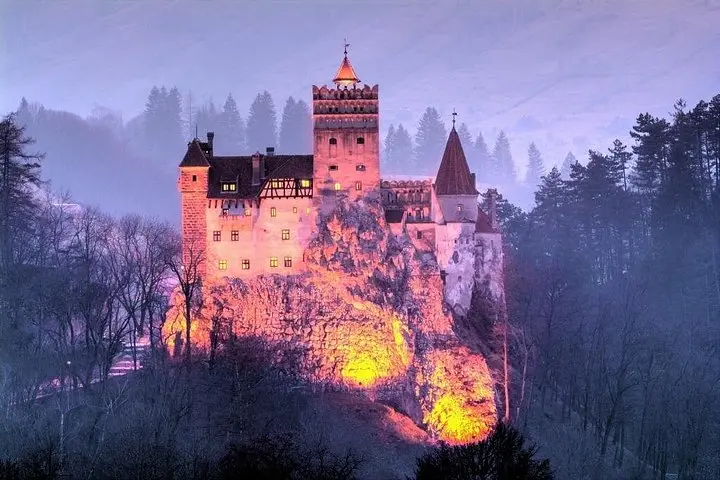
You arrive in Bucharest and a quiet van hums to life, the city shrinking behind you as the Carpathians push toward the horizon. Over eight days the road becomes the itinerary: hairpin passes that dare you to look down, fortified monasteries that hold frescoes thick with history, and villages where painted gates and wooden steeples mark time by craft.
You arrive in Bucharest and a quiet van hums to life, the city shrinking behind you as the Carpathians push toward the horizon. Over eight days the road becomes the itinerary: hairpin passes that dare you to look down, fortified monasteries that hold frescoes thick with history, and villages where painted gates and wooden steeples mark time by craft.
The route stitches together Wallachian princely courts, Transylvania’s medieval citadels and Bukovina’s famed painted monasteries. Geology shapes the trip — the Transfagarasan climbs to 2,042 m beneath craggy ridgelines, Bicaz Gorge carves 8 km of limestone cliffs, and Red Lake sits at about 980 m where a 19th-century landslide dammed a valley. In Maramures, towering wooden churches (Barsana’s spire reaches nearly 57 m) show centuries of carpentry and rural faith.
Cultural notes are immediate: Sibiu’s Germanic squares, Sighisoara’s inhabited citadel, the Merry Cemetery’s candid epitaphs and the salt-scented air of Turda Salt Mine. Expect practical rhythms — late breakfasts in mountain towns, short guided walks to monasteries, and extended driving days between regions.
Plan for variable weather and early starts on driving days. The Transfagarasan is typically open June–October; monastery frescoes are best seen in soft morning light; salt mine tours involve stairs and cool, humid air. Bring layered clothing, a daypack, comfortable walking shoes, and a phone with local SIM or offline maps. This tour is an accessible, vehicle-led way to read Romania’s landscape, history and living village culture at a deliberate pace.