THE ADVENTURE COLLECTIVE® · Independent discovery and booking for outdoor travel

An eight-day private loop from Colombo that takes you from the rock fortress of Sigiriya through ancient kingdoms, misty tea country and elephant-packed parks to whale-watching beaches in Mirissa. Expect long drives, short hikes, and a curated cross-section of Sri Lanka’s culture and wildlife.
An eight-day private loop from Colombo that takes you from the rock fortress of Sigiriya through ancient kingdoms, misty tea country and elephant-packed parks to whale-watching beaches in Mirissa. Expect long drives, short hikes, and a curated cross-section of Sri Lanka’s culture and wildlife.
You step out of Bandaranaike International Airport into a humid, green air that seems to push you forward. The driver waits with a nametag, the van’s A/C already humming; in a few hours you’ll be climbing a 500-foot granite island that rises like an island in a plain — Sigiriya — and later trading the cool of tea country for the salt-sweet tang of the southern coast. This is not a single-trail hike but a stitched sequence of landscapes: dry plains, ruined royal cities, mist-clad tea estates, and tropical shoreline. The tour moves deliberately so you meet Sri Lanka on its own terms.
Verified experiences and guided adventures in the surrounding area.
Operated by Sri Lanka Personal Chauffeurs · Sigiriya, Central Province
You step out of Bandaranaike International Airport into a humid, green air that seems to push you forward. The driver waits with a nametag, the van’s A/C already humming; in a few hours you’ll be climbing a 500-foot granite island that rises like an island in a plain — Sigiriya — and later trading the cool of tea country for the salt-sweet tang of the southern coast. This is not a single-trail hike but a stitched sequence of landscapes: dry plains, ruined royal cities, mist-clad tea estates, and tropical shoreline. The tour moves deliberately so you meet Sri Lanka on its own terms.
The itinerary threads through the island’s long human story. Sigiriya’s rock fortress, raised in the 5th century, was both palace and projection of power; Polonnaruwa preserves the stone grammar of medieval kingship. In Kandy you encounter the living pulse of Theravada Buddhism and, if you time it right, the illuminated spectacle of the Perahera. The Tea Country’s geology — steeply folded hill country carved by ancient rivers — governs both scenery and economy: terraces of Camellia sinensis cling to slopes where cool air keeps liquor bright.
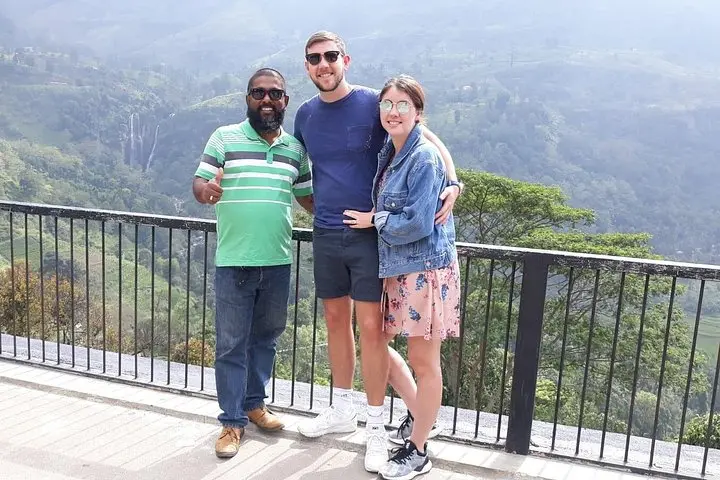
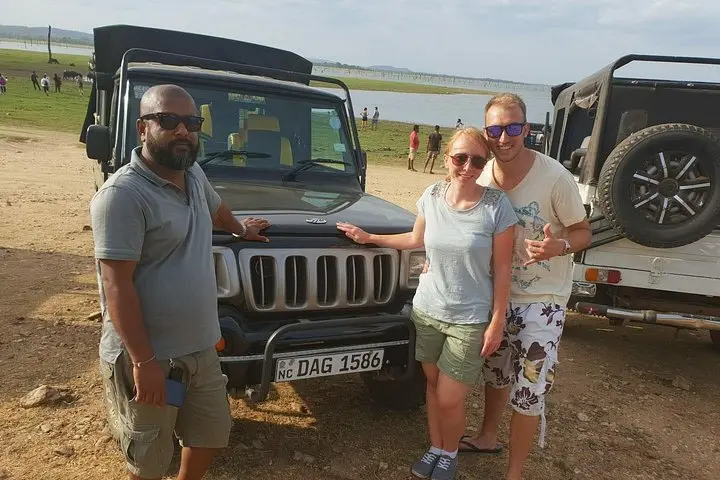
Wildlife features are not incidental. Minneriya’s dry-season grasslands lure elephant herds into the giant reservoir’s margins. Udawalawe was created to protect animals displaced by a reservoir — it remains one of the best places on the island to see elephants at close range. Off the southern coast, Mirissa’s seasons bring migrating whales and playful spinner dolphins.
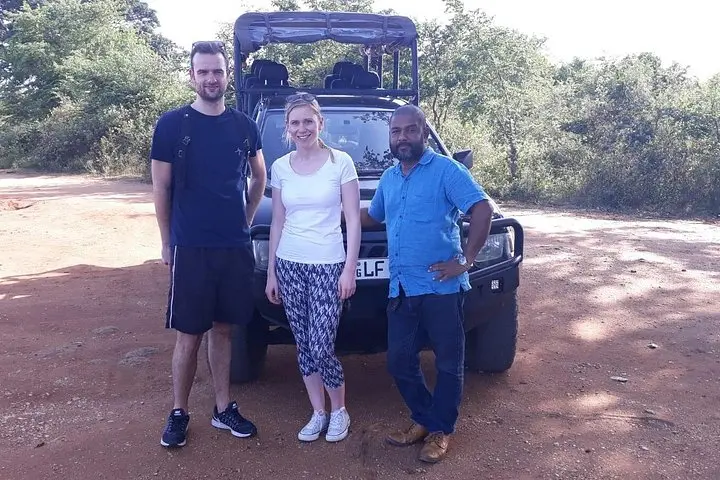
Practical edge: days are long and travel is mostly by private, air-conditioned vehicle. Distances are deceptive — Colombo to Sigiriya is roughly 4–5 hours by road; Kandy to Nuwara Eliya slices through hairpins in 2–3 hours. Carry local currency (LKR) for small entrances, tips, and temple donations, and pack a lightweight daypack for short hikes and temple visits. Dress modestly at religious sites (shoulders and knees covered) and bring sturdy shoes for slick rock steps and plantation paths.
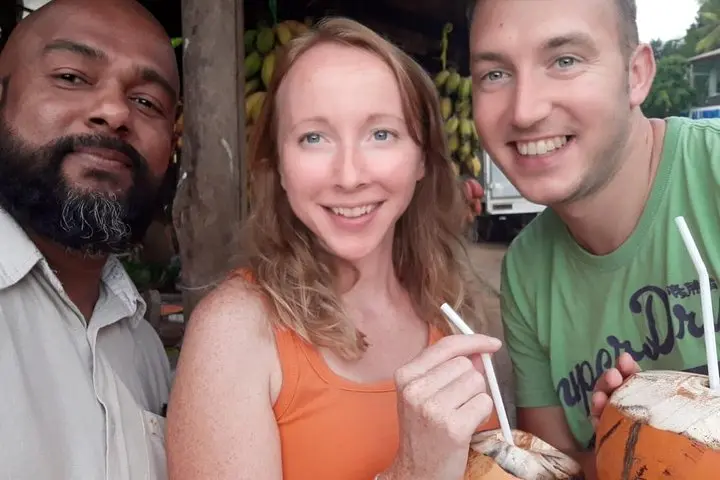
Timing matters. Sunrise from Pidurangala or the early-morning light on Little Adam’s Peak deliver the clearest vistas; elephant gatherings concentrate late in the dry season; whale-watching is most reliable November–April. Book museum and ruin entrances early in the day to avoid mid-day crowds and heat. Hydrate between stops — roadside stalls supply fresh coconut water and tea — and use the transfer time to rest: the driver’s pace lets you see much without racing.
For first-time visitors this itinerary is generous: cultural monuments, wildlife safaris, waterfall lookouts, and beach time. It asks only that you be ready to move, to climb a few hundred steps, and to read the island’s history in stone and leaf. In return, Sri Lanka hands you panoramas that change every hour and a rhythm of travel that feels intimate and efficient.
Most visitors require an Electronic Travel Authorization (ETA) obtained online before arrival; check current rules for your nationality and allow time to secure it.
Yes—this is a private chauffeured round tour and the operator can tailor stops, accommodations, and pace to your interests.
Entrance fees are often not included; carry local currency for ticket offices and guide gratuities.
Wildlife sightings aren’t guaranteed; Minneriya and Udawalawe have high probability for elephants but outcomes depend on season and luck.
Yes — pickup from Bandaranaike International Airport or hotels is standard; confirm pickup point and flight details when booking.
The tour is suitable for most ages; infant seats are available and the pace can be adjusted, but expect long transfer days which may be tiring for some.
Sri Lanka Personal Chauffeurs operates guided outdoor trips and adventures with an emphasis on safety, stewardship, and memorable experiences.
You step out of Bandaranaike International Airport into a humid, green air that seems to push you forward. The driver waits with a nametag, the van’s A/C already humming; in a few hours you’ll be climbing a 500-foot granite island that rises like an island in a plain — Sigiriya — and later trading the cool of tea country for the salt-sweet tang of the southern coast. This is not a single-trail hike but a stitched sequence of landscapes: dry plains, ruined royal cities, mist-clad tea estates, and tropical shoreline. The tour moves deliberately so you meet Sri Lanka on its own terms.
You step out of Bandaranaike International Airport into a humid, green air that seems to push you forward. The driver waits with a nametag, the van’s A/C already humming; in a few hours you’ll be climbing a 500-foot granite island that rises like an island in a plain — Sigiriya — and later trading the cool of tea country for the salt-sweet tang of the southern coast. This is not a single-trail hike but a stitched sequence of landscapes: dry plains, ruined royal cities, mist-clad tea estates, and tropical shoreline. The tour moves deliberately so you meet Sri Lanka on its own terms.
The itinerary threads through the island’s long human story. Sigiriya’s rock fortress, raised in the 5th century, was both palace and projection of power; Polonnaruwa preserves the stone grammar of medieval kingship. In Kandy you encounter the living pulse of Theravada Buddhism and, if you time it right, the illuminated spectacle of the Perahera. The Tea Country’s geology — steeply folded hill country carved by ancient rivers — governs both scenery and economy: terraces of Camellia sinensis cling to slopes where cool air keeps liquor bright.
Wildlife features are not incidental. Minneriya’s dry-season grasslands lure elephant herds into the giant reservoir’s margins. Udawalawe was created to protect animals displaced by a reservoir — it remains one of the best places on the island to see elephants at close range. Off the southern coast, Mirissa’s seasons bring migrating whales and playful spinner dolphins.
Practical edge: days are long and travel is mostly by private, air-conditioned vehicle. Distances are deceptive — Colombo to Sigiriya is roughly 4–5 hours by road; Kandy to Nuwara Eliya slices through hairpins in 2–3 hours. Carry local currency (LKR) for small entrances, tips, and temple donations, and pack a lightweight daypack for short hikes and temple visits. Dress modestly at religious sites (shoulders and knees covered) and bring sturdy shoes for slick rock steps and plantation paths.
Timing matters. Sunrise from Pidurangala or the early-morning light on Little Adam’s Peak deliver the clearest vistas; elephant gatherings concentrate late in the dry season; whale-watching is most reliable November–April. Book museum and ruin entrances early in the day to avoid mid-day crowds and heat. Hydrate between stops — roadside stalls supply fresh coconut water and tea — and use the transfer time to rest: the driver’s pace lets you see much without racing.
For first-time visitors this itinerary is generous: cultural monuments, wildlife safaris, waterfall lookouts, and beach time. It asks only that you be ready to move, to climb a few hundred steps, and to read the island’s history in stone and leaf. In return, Sri Lanka hands you panoramas that change every hour and a rhythm of travel that feels intimate and efficient.