THE ADVENTURE COLLECTIVE® · Independent discovery and booking for outdoor travel

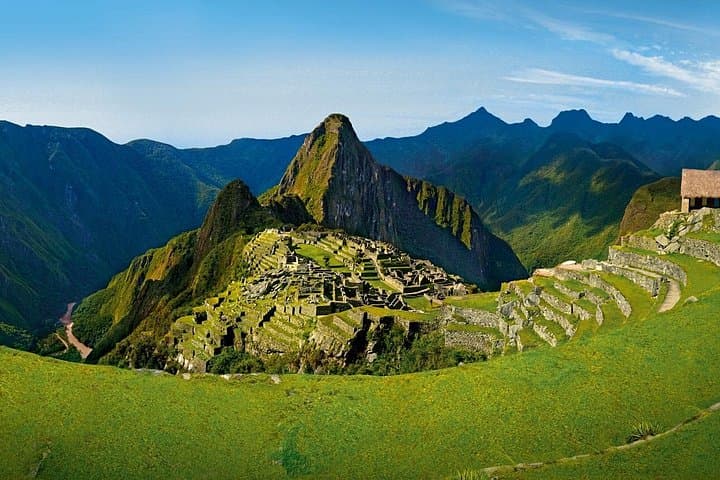
An 8-day route that climbs a 4,600 m pass, traverses cloud forest, and finishes at Machu Picchu. Expect big altitude changes, mule-supported camps, and a mix of archaeological and natural highlights.
An 8-day route that climbs a 4,600 m pass, traverses cloud forest, and finishes at Machu Picchu. Expect big altitude changes, mule-supported camps, and a mix of archaeological and natural highlights.
A dawn hush settles over Cusco as the van slips out of town, headlights cutting through thinning air. The Andes open up: sharp ridgelines, a white crown of Salkantay, and a trail that moves relentlessly from alpine tundra into dripping cloud forest. By the time camp is pitched the stars have ceded to a pale, cold light and the mountains keep watch.
Verified experiences and guided adventures in the surrounding area.
Operated by Inkayni Peru Tours · Cusco, Cusco Region
A dawn hush settles over Cusco as the van slips out of town, headlights cutting through thinning air. The Andes open up: sharp ridgelines, a white crown of Salkantay, and a trail that moves relentlessly from alpine tundra into dripping cloud forest. By the time camp is pitched the stars have ceded to a pale, cold light and the mountains keep watch.
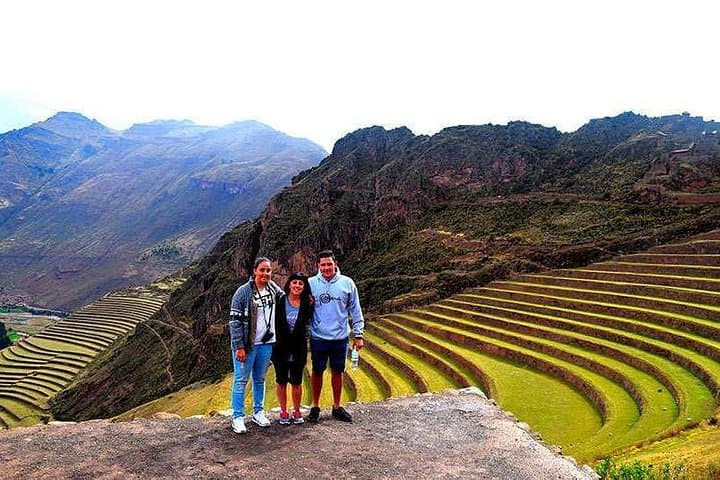
This route follows ancient corridors once traveled by Andean peoples and later by muleteers. Geology here is dramatic—glaciated peaks of granite and schist give way to steep, eroded valleys where rivers have carved terraces and microclimates. Culture threads through every stop: textile cooperatives in Chinchero, the concentric agricultural labs of Moray, and salt pans at Maras that are still family-run.
The Salkantay Pass (about 4,600 m) is the trip’s fulcrum: thin air, spectacular vistas, and a sharp transition from windswept puna to humid cloud forest below. Hikes on successive days move from rocky scree and high grass into mossy bosque, where cock-of-the-rocks flash like living punctuation.
Practical edge: acclimatize in Cusco for 48 hours, carry layered clothing, and expect significant altitude gain on Day 2. Mules and a support crew handle heavy loads, but trekkers should be steady on uneven terrain and prepared for weather swings—sun, sleet, and heavy rain are all possible within a single day.
This is a multi-day trek that rewards preparation: steady trekking fitness, good boots, and patience at altitude turn a demanding route into one of the most memorable approaches to Machu Picchu.
That day is the hardest: steep, sustained ascent to ~4,600 m with thin air; pace conservatively and use trekking poles.
Yes—4-man tents (shared) and inflatable mattresses are included; bring a sleeping liner for hygiene and extra warmth.
Bring small bills for snacks, tips, and incidentals in Aguas Calientes and local stops—many remote sections don’t accept cards.
Minimum age is 10, but suitability depends on fitness and altitude tolerance; consult the operator before booking.
Inkayni Peru Tours operates guided outdoor trips and adventures with an emphasis on safety, stewardship, and memorable experiences.
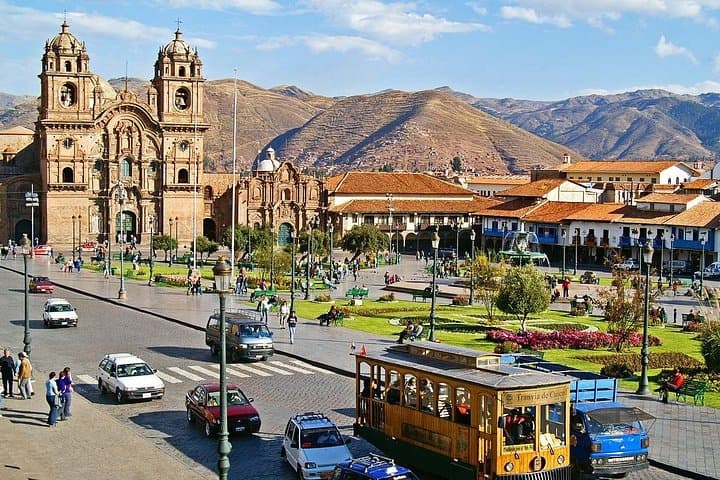
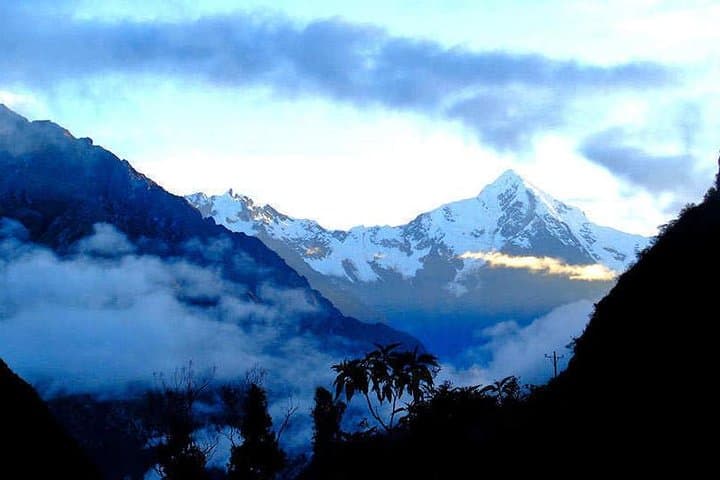
A dawn hush settles over Cusco as the van slips out of town, headlights cutting through thinning air. The Andes open up: sharp ridgelines, a white crown of Salkantay, and a trail that moves relentlessly from alpine tundra into dripping cloud forest. By the time camp is pitched the stars have ceded to a pale, cold light and the mountains keep watch.
A dawn hush settles over Cusco as the van slips out of town, headlights cutting through thinning air. The Andes open up: sharp ridgelines, a white crown of Salkantay, and a trail that moves relentlessly from alpine tundra into dripping cloud forest. By the time camp is pitched the stars have ceded to a pale, cold light and the mountains keep watch.
This route follows ancient corridors once traveled by Andean peoples and later by muleteers. Geology here is dramatic—glaciated peaks of granite and schist give way to steep, eroded valleys where rivers have carved terraces and microclimates. Culture threads through every stop: textile cooperatives in Chinchero, the concentric agricultural labs of Moray, and salt pans at Maras that are still family-run.
The Salkantay Pass (about 4,600 m) is the trip’s fulcrum: thin air, spectacular vistas, and a sharp transition from windswept puna to humid cloud forest below. Hikes on successive days move from rocky scree and high grass into mossy bosque, where cock-of-the-rocks flash like living punctuation.
Practical edge: acclimatize in Cusco for 48 hours, carry layered clothing, and expect significant altitude gain on Day 2. Mules and a support crew handle heavy loads, but trekkers should be steady on uneven terrain and prepared for weather swings—sun, sleet, and heavy rain are all possible within a single day.
This is a multi-day trek that rewards preparation: steady trekking fitness, good boots, and patience at altitude turn a demanding route into one of the most memorable approaches to Machu Picchu.