THE ADVENTURE COLLECTIVE® · Independent discovery and booking for outdoor travel

Cross the Tibetan Plateau on an eight-day circuit from Lhasa to Everest Base Camp and Namtso Lake. This tour blends high‑altitude lakes, centuries-old monasteries, and roadside glacier views with guided logistics and permit handling.
Cross the Tibetan Plateau on an eight-day circuit from Lhasa to Everest Base Camp and Namtso Lake. This tour blends high‑altitude lakes, centuries-old monasteries, and roadside glacier views with guided logistics and permit handling.
You step off the plane into Lhasa and the air feels thin and sharp; the Potala Palace sits above the city like an old caretaker watching the plateau. Streets hum with prayer wheels and market stalls while prayer flags snap in the cold wind—this is a trip that moves slowly over vast distances and climbs quickly in altitude.
Verified experiences and guided adventures in the surrounding area.
Operated by Journey2Tibet · Lhasa, Tibet Autonomous Region
You step off the plane into Lhasa and the air feels thin and sharp; the Potala Palace sits above the city like an old caretaker watching the plateau. Streets hum with prayer wheels and market stalls while prayer flags snap in the cold wind—this is a trip that moves slowly over vast distances and climbs quickly in altitude.
The route crosses the Tibetan Plateau, a geological uplift of ancient seabeds that now hosts the highest highways in the world. Lhasa’s Potala and Jokhang trace centuries of Tibetan Buddhism; Tashilhunpo and Gyantse preserve regional power struggles and artisan traditions. Yamdrok and Namtso are high-altitude lakes where saltwater blues meet wind-swept grassland and the occasional nomad camp. Heading to Rongbuk and Everest Base Camp, you’ll feel the mountains’ presence: peaks that continue to push the crust skyward.
Expect long drives across remote highlands, short acclimatization walks, and photo stops at glaciers and lakes. Guides handle permits and logistics, but altitude is the real variable—plan slow mornings for the body to adapt. Pack layered insulation, reliable sun protection, and a hydration plan; oxygen-supplied rooms are common in hotels listed on this itinerary and helpful on the highest nights.
Practical rhythm: arrive and rest, spend a full day in Lhasa for cultural sites, then two days of transit to EBC with viewpoints and short hikes. Respect monastery rules, avoid single-use plastics, and allow extra time—mountain weather and road conditions set the pace here. The reward is simple: clear, cold air and peaks that keep pushing you forward.
Yes — a Tibet Travel Permit is required and is generally arranged by the tour operator included with this itinerary.
Altitude sickness is possible; the itinerary allows acclimatization in Lhasa and recommends hydration, rest, and consulting your doctor about medication like acetazolamide.
Late spring to early autumn (May–October) has milder weather and clearer roads; winter is much colder and some passes may be snowbound.
Breakfasts and four-star or equivalent hotels (oxygen-supplied rooms in higher towns) are included; lunches and dinners are typically on your own unless specified.
Journey2Tibet operates guided outdoor trips and adventures with an emphasis on safety, stewardship, and memorable experiences.
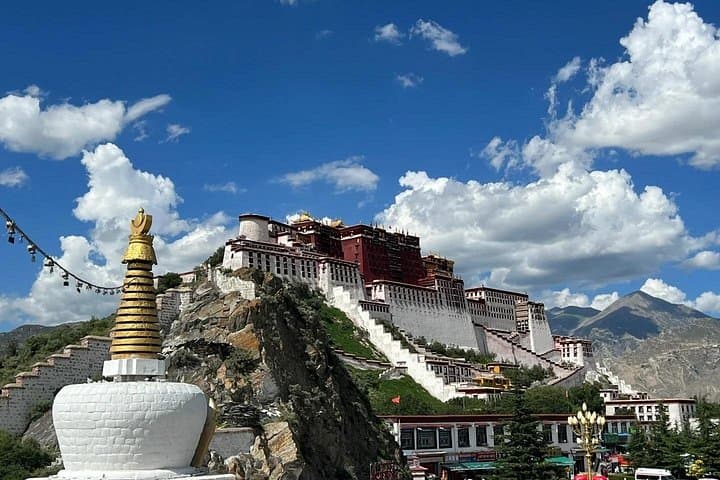


You step off the plane into Lhasa and the air feels thin and sharp; the Potala Palace sits above the city like an old caretaker watching the plateau. Streets hum with prayer wheels and market stalls while prayer flags snap in the cold wind—this is a trip that moves slowly over vast distances and climbs quickly in altitude.
You step off the plane into Lhasa and the air feels thin and sharp; the Potala Palace sits above the city like an old caretaker watching the plateau. Streets hum with prayer wheels and market stalls while prayer flags snap in the cold wind—this is a trip that moves slowly over vast distances and climbs quickly in altitude.
The route crosses the Tibetan Plateau, a geological uplift of ancient seabeds that now hosts the highest highways in the world. Lhasa’s Potala and Jokhang trace centuries of Tibetan Buddhism; Tashilhunpo and Gyantse preserve regional power struggles and artisan traditions. Yamdrok and Namtso are high-altitude lakes where saltwater blues meet wind-swept grassland and the occasional nomad camp. Heading to Rongbuk and Everest Base Camp, you’ll feel the mountains’ presence: peaks that continue to push the crust skyward.
Expect long drives across remote highlands, short acclimatization walks, and photo stops at glaciers and lakes. Guides handle permits and logistics, but altitude is the real variable—plan slow mornings for the body to adapt. Pack layered insulation, reliable sun protection, and a hydration plan; oxygen-supplied rooms are common in hotels listed on this itinerary and helpful on the highest nights.
Practical rhythm: arrive and rest, spend a full day in Lhasa for cultural sites, then two days of transit to EBC with viewpoints and short hikes. Respect monastery rules, avoid single-use plastics, and allow extra time—mountain weather and road conditions set the pace here. The reward is simple: clear, cold air and peaks that keep pushing you forward.