THE ADVENTURE COLLECTIVE® · Independent discovery and booking for outdoor travel

Fly into the rarefied air of Lhasa, drive the legendary Friendship Highway and stand near Everest’s Tibetan base in eight concentrated days. This fly-in, drive-out tour balances cultural immersion with high‑altitude landscapes.
Fly into the rarefied air of Lhasa, drive the legendary Friendship Highway and stand near Everest’s Tibetan base in eight concentrated days. This fly-in, drive-out tour balances cultural immersion with high‑altitude landscapes.
The plane drops you into thin, clear air and the runway seems to rise up to meet the sky. You step out at Gonggar and feel the mountains inhale around you — distant ridgelines that will dominate the next week. From the whitewashed courtyards of Lhasa to the scrubby high plains on the Friendship Highway, this eight-day loop moves fast: a brief flight into altitude, an overland odyssey across passes and turquoise lakes, and a final, cinematic flight home over the Trans-Himalaya.
Verified experiences and guided adventures in the surrounding area.
Operated by Alpine Club of Himalaya · Lhasa, Tibet
The plane drops you into thin, clear air and the runway seems to rise up to meet the sky. You step out at Gonggar and feel the mountains inhale around you — distant ridgelines that will dominate the next week. From the whitewashed courtyards of Lhasa to the scrubby high plains on the Friendship Highway, this eight-day loop moves fast: a brief flight into altitude, an overland odyssey across passes and turquoise lakes, and a final, cinematic flight home over the Trans-Himalaya.
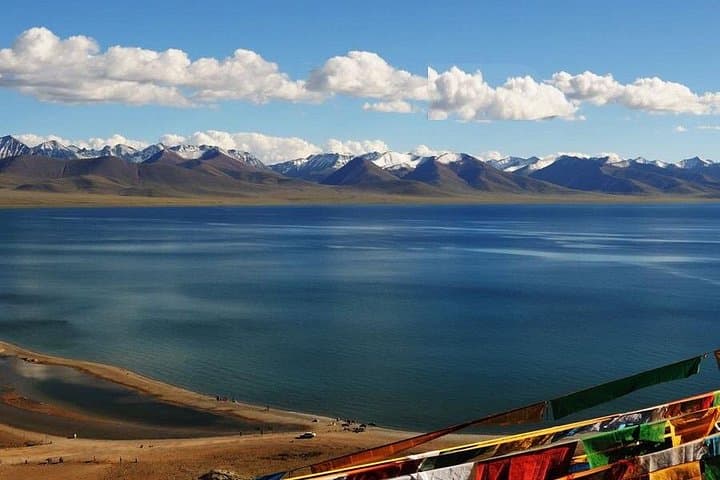
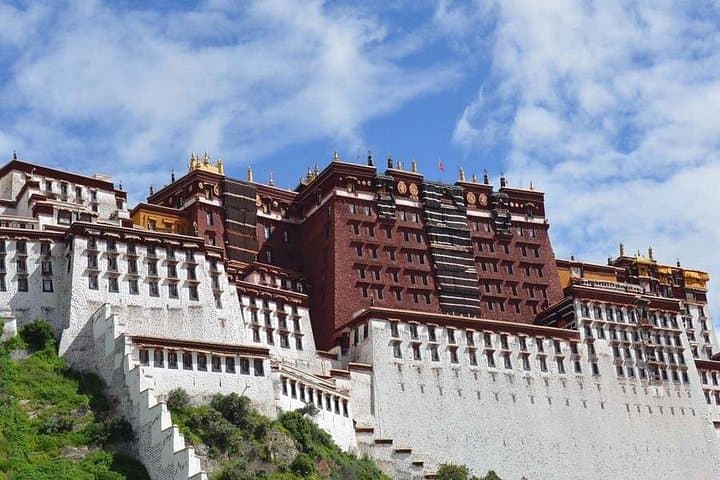
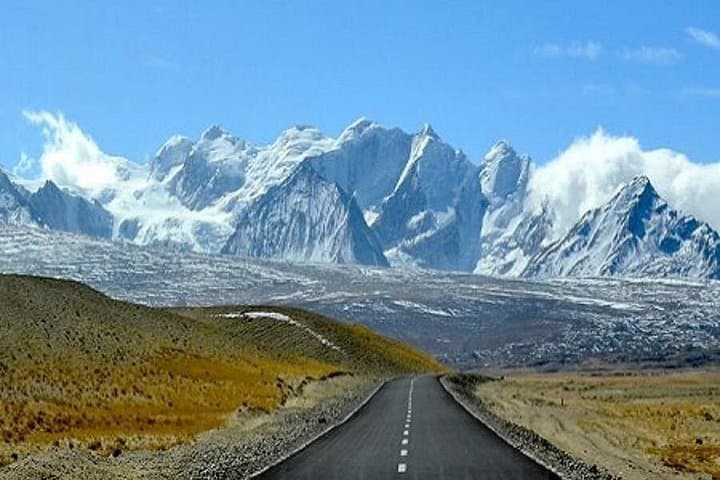
Lhasa opens like an outdoor museum. The Potala Palace stacks rooms and chapels into a vertical city; prayer flags braid the wind. Behind the architecture lies centuries of political and spiritual history — Jokhang Temple and Barkhor Bazaar still function as active pilgrimage routes, where pilgrims spin prayer wheels and kiss yak butter lamps. The Friendship Highway itself is more modern, cut after the 1950s to link Kathmandu and Lhasa across roughly 920 km of river valleys and high desert. Geology here reads like a ledger: uplifted sedimentary bands, glacially carved valleys, and salt‑streaked lakes such as Yamdrok Tso, whose surface dares the sky with an almost impossible turquoise.
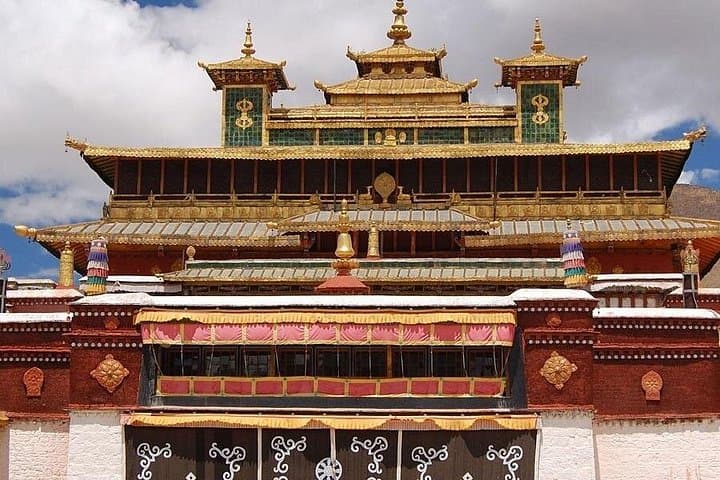
Cultural details thread every stop. At Drepung and Sera monasteries monks chant in the same rhythms used for generations; in Gyantse you'll find the Kumbum, a complex of chapels whose intricate murals are an archive of Tibetan iconography. On the approach to Rongbuk and Everest Base Camp, the landscape simplifies — few trees, hard light, and the ever-present silhouettes of prayer flags marking human devotion against a world of stone.
Practical guidance: this itinerary is high-altitude travel, not a casual city break. Your schedule includes rest and acclimatization in Lhasa, but expect daily drives over passes that top 5,000 m. Hydrate deliberately, eat light on long drives, and plan for cold nights even in summer. Permits for travel in Tibet are handled by the operator — make sure your passport details and visa allow entry to Tibet well before departure. Pack layers: a warm insulated jacket, windproof shell, sun protection for strong high‑altitude UV, and sturdy footwear for short hikes around monasteries and at Everest Base Camp.
Expect basic three-star lodgings along the route and a mix of paved highway and rough, high‑altitude tracks as you head toward Ronbuk and the base of Everest. The trip rewards curiosity: slow down at roadside tea stalls to talk trade routes and yak transport, learn the cadence of a butter lamp ceremony, and keep your camera ready when the late light grazes a monastery wall. For travelers comfortable with altitude and keen on culture over summit ambition, this fly-in, drive-out route delivers a compact, powerful encounter with Tibetan life and the highest peaks on earth.
Yes. The operator arranges required Tibet Travel Permits; provide passport and visa details well before departure.
Possibly—symptoms vary. The tour builds in acclimatization time in Lhasa; if symptoms appear, notify guides and descend if severe.
Late spring to early autumn (May–October) offers clearer roads and warmer days; winter is colder with more limited services.
The approach from Ronbuk involves short, steep walks at very high altitude; it's a hike rather than a technical climb.
Mostly three-star hotels in towns and guesthouses near Ronbuk; facilities are basic but comfortable for high‑altitude travel.
Yes; private and join-in group options are offered but a minimum group size may be required for certain departures.
Alpine Club of Himalaya operates guided outdoor trips and adventures with an emphasis on safety, stewardship, and memorable experiences.
The plane drops you into thin, clear air and the runway seems to rise up to meet the sky. You step out at Gonggar and feel the mountains inhale around you — distant ridgelines that will dominate the next week. From the whitewashed courtyards of Lhasa to the scrubby high plains on the Friendship Highway, this eight-day loop moves fast: a brief flight into altitude, an overland odyssey across passes and turquoise lakes, and a final, cinematic flight home over the Trans-Himalaya.
The plane drops you into thin, clear air and the runway seems to rise up to meet the sky. You step out at Gonggar and feel the mountains inhale around you — distant ridgelines that will dominate the next week. From the whitewashed courtyards of Lhasa to the scrubby high plains on the Friendship Highway, this eight-day loop moves fast: a brief flight into altitude, an overland odyssey across passes and turquoise lakes, and a final, cinematic flight home over the Trans-Himalaya.
Lhasa opens like an outdoor museum. The Potala Palace stacks rooms and chapels into a vertical city; prayer flags braid the wind. Behind the architecture lies centuries of political and spiritual history — Jokhang Temple and Barkhor Bazaar still function as active pilgrimage routes, where pilgrims spin prayer wheels and kiss yak butter lamps. The Friendship Highway itself is more modern, cut after the 1950s to link Kathmandu and Lhasa across roughly 920 km of river valleys and high desert. Geology here reads like a ledger: uplifted sedimentary bands, glacially carved valleys, and salt‑streaked lakes such as Yamdrok Tso, whose surface dares the sky with an almost impossible turquoise.
Cultural details thread every stop. At Drepung and Sera monasteries monks chant in the same rhythms used for generations; in Gyantse you'll find the Kumbum, a complex of chapels whose intricate murals are an archive of Tibetan iconography. On the approach to Rongbuk and Everest Base Camp, the landscape simplifies — few trees, hard light, and the ever-present silhouettes of prayer flags marking human devotion against a world of stone.
Practical guidance: this itinerary is high-altitude travel, not a casual city break. Your schedule includes rest and acclimatization in Lhasa, but expect daily drives over passes that top 5,000 m. Hydrate deliberately, eat light on long drives, and plan for cold nights even in summer. Permits for travel in Tibet are handled by the operator — make sure your passport details and visa allow entry to Tibet well before departure. Pack layers: a warm insulated jacket, windproof shell, sun protection for strong high‑altitude UV, and sturdy footwear for short hikes around monasteries and at Everest Base Camp.
Expect basic three-star lodgings along the route and a mix of paved highway and rough, high‑altitude tracks as you head toward Ronbuk and the base of Everest. The trip rewards curiosity: slow down at roadside tea stalls to talk trade routes and yak transport, learn the cadence of a butter lamp ceremony, and keep your camera ready when the late light grazes a monastery wall. For travelers comfortable with altitude and keen on culture over summit ambition, this fly-in, drive-out route delivers a compact, powerful encounter with Tibetan life and the highest peaks on earth.