THE ADVENTURE COLLECTIVE® · Independent discovery and booking for outdoor travel

Spend eight hours moving between Dubai’s extremes: the vertiginous Burj Khalifa, engineered Palm Jumeirah, and the market-lined creek. This private tour blends photo stops, a traditional abra crossing, and cultural visits with a flexible schedule tailored to your interests.
Spend eight hours moving between Dubai’s extremes: the vertiginous Burj Khalifa, engineered Palm Jumeirah, and the market-lined creek. This private tour blends photo stops, a traditional abra crossing, and cultural visits with a flexible schedule tailored to your interests.
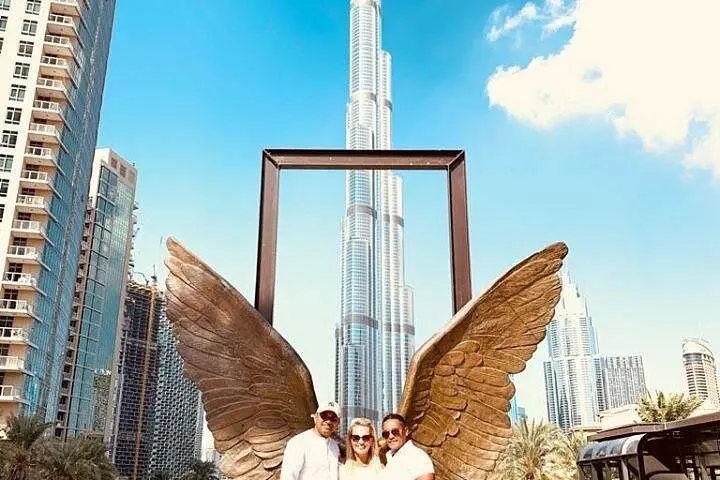
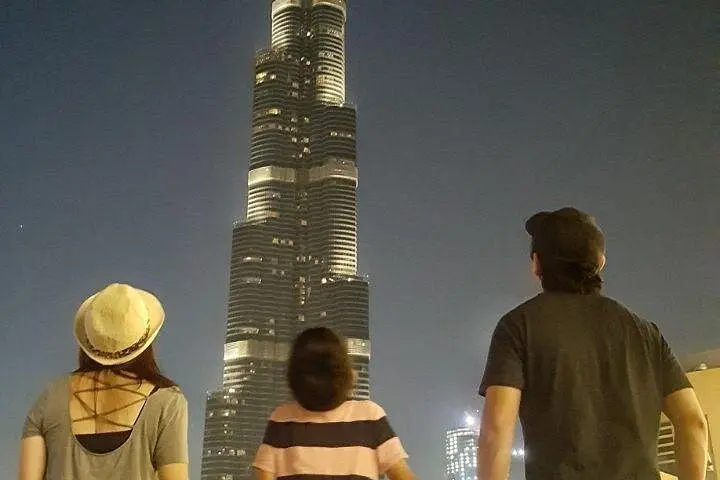
The morning sun slides up behind Burj Khalifa, gilding glass and steel as your private vehicle threads through Dubai’s wide boulevards. You step out at the Dubai Mall for a first look at the tower’s vertical ambition, then let the creek’s abras nudge you across a waterway that once carried pearling dhows — the city’s heartbeat still audible in the call of sellers at the Gold and Spice souks.
Verified experiences and guided adventures in the surrounding area.
Operated by Shah Zahir · Dubai, Dubai
The morning sun slides up behind Burj Khalifa, gilding glass and steel as your private vehicle threads through Dubai’s wide boulevards. You step out at the Dubai Mall for a first look at the tower’s vertical ambition, then let the creek’s abras nudge you across a waterway that once carried pearling dhows — the city’s heartbeat still audible in the call of sellers at the Gold and Spice souks.
This day-long loop stitches modernity and memory. Dubai’s rise from a 19th-century fishing and pearling community to a 21st-century global hub was rapid: oil wealth funded infrastructure, and trade brought the skyline. Geologically the emirate sits on coastal sabkha and reclaimed islands; Palm Jumeirah is engineered land rising from the Persian Gulf. Cultural landmarks — Jumeirah Mosque, Al Fahidi Fort (Dubai Museum) — illustrate an arc from Bedouin life to cosmopolitan commerce.
Expect mostly paved surfaces, short walks at each stop, and about 40–60 km of driving depending on your route. Highlights include photo stops at Burj Al Arab and the Atlantis on Palm Jumeirah, a stroll through Souk Madinat Jumeirah’s canals, and an abra crossing on Dubai Creek. Guides typically allow itinerary tweaks; use that flexibility to prioritize what matters to you.
Practical notes: Dubai is hot and sunny much of the year, so start early or plan mid-afternoon mall time. Carry a refillable water bottle, wear breathable clothing respectful of local customs, and keep a copy of opening hours for museums (they vary seasonally and during Ramadan). With a private vehicle, pacing is yours — balance the big sights with pockets of local color for a full-day portrait of a city that’s always on the move.
Yes — the tour is private and guides typically adjust timing and stops to match your interests; confirm any admission fees for optional sites.
Transportation and many public areas are wheelchair accessible, but check individual attraction access (some historic souk alleys are narrow).
Standard itineraries usually do not include paid admissions unless specified; confirm with the operator which tickets are covered before booking.
Many guides speak English and Arabic; multilingual guides are often available on request — state your preference when booking.
Shah Zahir operates guided outdoor trips and adventures with an emphasis on safety, stewardship, and memorable experiences.
The morning sun slides up behind Burj Khalifa, gilding glass and steel as your private vehicle threads through Dubai’s wide boulevards. You step out at the Dubai Mall for a first look at the tower’s vertical ambition, then let the creek’s abras nudge you across a waterway that once carried pearling dhows — the city’s heartbeat still audible in the call of sellers at the Gold and Spice souks.
The morning sun slides up behind Burj Khalifa, gilding glass and steel as your private vehicle threads through Dubai’s wide boulevards. You step out at the Dubai Mall for a first look at the tower’s vertical ambition, then let the creek’s abras nudge you across a waterway that once carried pearling dhows — the city’s heartbeat still audible in the call of sellers at the Gold and Spice souks.
This day-long loop stitches modernity and memory. Dubai’s rise from a 19th-century fishing and pearling community to a 21st-century global hub was rapid: oil wealth funded infrastructure, and trade brought the skyline. Geologically the emirate sits on coastal sabkha and reclaimed islands; Palm Jumeirah is engineered land rising from the Persian Gulf. Cultural landmarks — Jumeirah Mosque, Al Fahidi Fort (Dubai Museum) — illustrate an arc from Bedouin life to cosmopolitan commerce.
Expect mostly paved surfaces, short walks at each stop, and about 40–60 km of driving depending on your route. Highlights include photo stops at Burj Al Arab and the Atlantis on Palm Jumeirah, a stroll through Souk Madinat Jumeirah’s canals, and an abra crossing on Dubai Creek. Guides typically allow itinerary tweaks; use that flexibility to prioritize what matters to you.
Practical notes: Dubai is hot and sunny much of the year, so start early or plan mid-afternoon mall time. Carry a refillable water bottle, wear breathable clothing respectful of local customs, and keep a copy of opening hours for museums (they vary seasonally and during Ramadan). With a private vehicle, pacing is yours — balance the big sights with pockets of local color for a full-day portrait of a city that’s always on the move.