THE ADVENTURE COLLECTIVE® · Independent discovery and booking for outdoor travel

An eight-night circuit through Botswana’s most iconic ecosystems: fly from Maun to the Central Kalahari, cross into the Okavango Delta, track elephants in Chobe, and finish with a sunset Zambezi cruise and Victoria Falls visit. Expect remote lodges, charter flights, and daily guided activities.
An eight-night circuit through Botswana’s most iconic ecosystems: fly from Maun to the Central Kalahari, cross into the Okavango Delta, track elephants in Chobe, and finish with a sunset Zambezi cruise and Victoria Falls visit. Expect remote lodges, charter flights, and daily guided activities.
You step from Maun’s short runway and the air smells of sun-warmed dust and wet papyrus—the first hint that this itinerary moves from open Kalahari plains to water-slick channels of the Okavango and the wide, elephant-rich floodplains of Chobe before finishing at the thunder of Victoria Falls.
Verified experiences and guided adventures in the surrounding area.
Operated by Jibha Africa Safaris · Maun, North-West District
You step from Maun’s short runway and the air smells of sun-warmed dust and wet papyrus—the first hint that this itinerary moves from open Kalahari plains to water-slick channels of the Okavango and the wide, elephant-rich floodplains of Chobe before finishing at the thunder of Victoria Falls.
The route threads together distinct ecologies: the Kalahari’s grasslands and pans formed by aeolian sands, the seasonal labyrinth of the Okavango Delta fed by distant Angolan rains, and the riverine forests of Chobe carved by the Zambezi system. Human history runs alongside: San hunter-gatherer rock art in the Kalahari, Tswana and other groups shaping livelihoods around waterways, and colonial-era trade routes that set the stage for modern safari lodges.
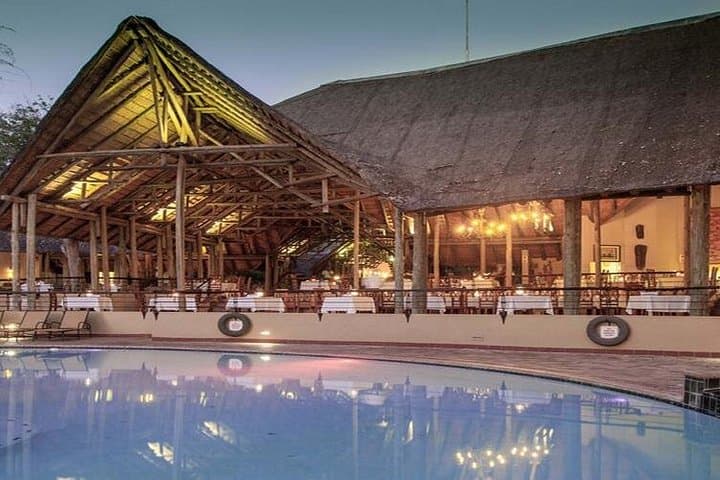
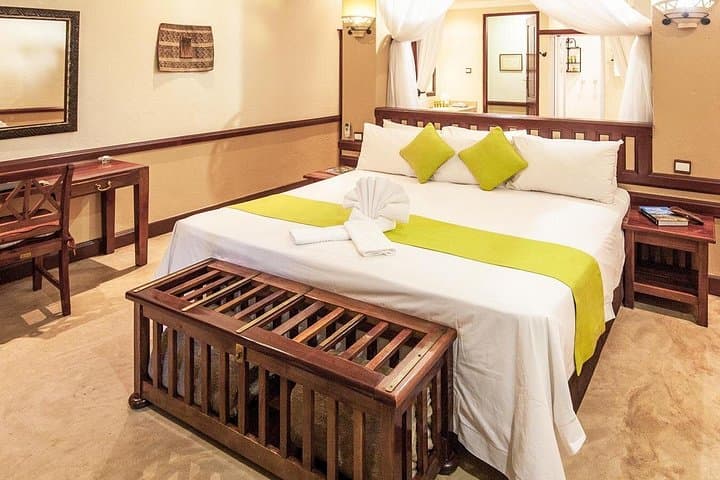
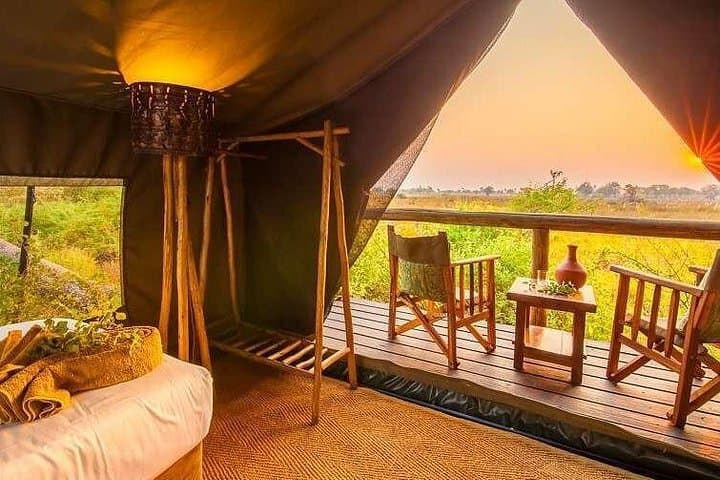
Expect early-morning game drives and quiet mokoro or boat trips in the Delta, charter flights between remote airstrips, and a sunset cruise on the Zambezi. Lodges are intimate and secluded; days are paced around animal movement and light. Wildlife viewing is best in the dry winter months when animals concentrate near water, but birding and lush scenery peak in the wet season.
Practical guidance: pack layered, breathable clothing, a wide-brim hat, binoculars and a camera with a telephoto lens, and plan for light-aircraft luggage limits. Hydration and sun protection matter—days are hot, mornings can be cool. Confirm malaria prophylaxis with a travel clinic and carry copies of travel documents for cross-border transfers to Victoria Falls. This trip is a sequence of contrasts—sand, water, riverine forest—designed for travelers who want concentrated wildlife encounters paired with remote-lodge comfort.
Yes—accommodations are lodge-based with guided activities; most walking is short and vehicles handle longer transfers, making it accessible for first-time safari-goers.
Charter flights between camps are part of the itinerary; they have strict soft-bag weight limits—confirm specifics with your operator before packing.
Visa requirements depend on nationality; some travelers need a Zimbabwe visa to enter Victoria Falls, and entry rules change—check passport and visa guidance well before travel.
Dry winter months (May–Aug) concentrate game near water for easier viewing, while the wet season (Nov–Mar) offers lush scenery and prolific birdlife but more dispersed mammals.
Jibha Africa Safaris operates guided outdoor trips and adventures with an emphasis on safety, stewardship, and memorable experiences.
You step from Maun’s short runway and the air smells of sun-warmed dust and wet papyrus—the first hint that this itinerary moves from open Kalahari plains to water-slick channels of the Okavango and the wide, elephant-rich floodplains of Chobe before finishing at the thunder of Victoria Falls.
You step from Maun’s short runway and the air smells of sun-warmed dust and wet papyrus—the first hint that this itinerary moves from open Kalahari plains to water-slick channels of the Okavango and the wide, elephant-rich floodplains of Chobe before finishing at the thunder of Victoria Falls.
The route threads together distinct ecologies: the Kalahari’s grasslands and pans formed by aeolian sands, the seasonal labyrinth of the Okavango Delta fed by distant Angolan rains, and the riverine forests of Chobe carved by the Zambezi system. Human history runs alongside: San hunter-gatherer rock art in the Kalahari, Tswana and other groups shaping livelihoods around waterways, and colonial-era trade routes that set the stage for modern safari lodges.
Expect early-morning game drives and quiet mokoro or boat trips in the Delta, charter flights between remote airstrips, and a sunset cruise on the Zambezi. Lodges are intimate and secluded; days are paced around animal movement and light. Wildlife viewing is best in the dry winter months when animals concentrate near water, but birding and lush scenery peak in the wet season.
Practical guidance: pack layered, breathable clothing, a wide-brim hat, binoculars and a camera with a telephoto lens, and plan for light-aircraft luggage limits. Hydration and sun protection matter—days are hot, mornings can be cool. Confirm malaria prophylaxis with a travel clinic and carry copies of travel documents for cross-border transfers to Victoria Falls. This trip is a sequence of contrasts—sand, water, riverine forest—designed for travelers who want concentrated wildlife encounters paired with remote-lodge comfort.