THE ADVENTURE COLLECTIVE® · Independent discovery and booking for outdoor travel
An eight‑night circuit from Cairo that pairs Giza and Alexandria with a three‑night Nile cruise, a Luxor hot‑air balloon, and an Abu Simbel day trip. Expect early mornings, overnight trains, temple staircases and plenty of sun protection.
An eight‑night circuit from Cairo that pairs Giza and Alexandria with a three‑night Nile cruise, a Luxor hot‑air balloon, and an Abu Simbel day trip. Expect early mornings, overnight trains, temple staircases and plenty of sun protection.
The sun rises over the Nile and the city exhales — Cairo’s hum gives way to ancient stone as this eight‑night circuit moves from the capital to the river’s quieter rhythms.
Verified experiences and guided adventures in the surrounding area.
Operated by Here Egypt Tours · Cairo, Cairo Governorate
The sun rises over the Nile and the city exhales — Cairo’s hum gives way to ancient stone as this eight‑night circuit moves from the capital to the river’s quieter rhythms.
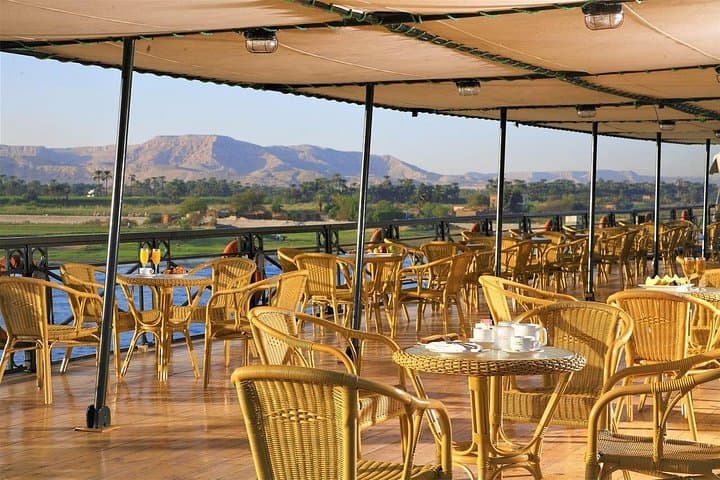
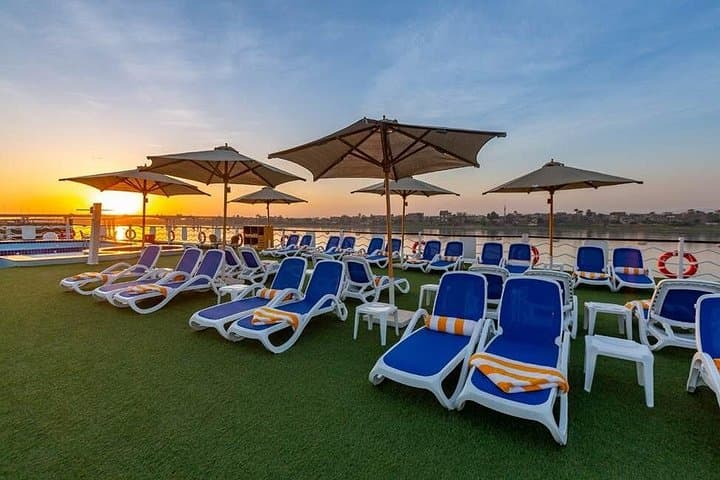
Travelers begin in Cairo with the sudden scale of Giza’s pyramids and the Sphinx, then board an overnight first‑class train to Luxor — roughly 9–10 hours by rail across ~650–700 km of Upper Egyptian desert. A three‑night Nile cruise steers south from Luxor to Aswan, stopping at Karnak, Luxor Temple, Edfu and Kom Ombo; the cruise is a relaxed platform for sunsets, small riverside villages and the slow pulse of the Nile.
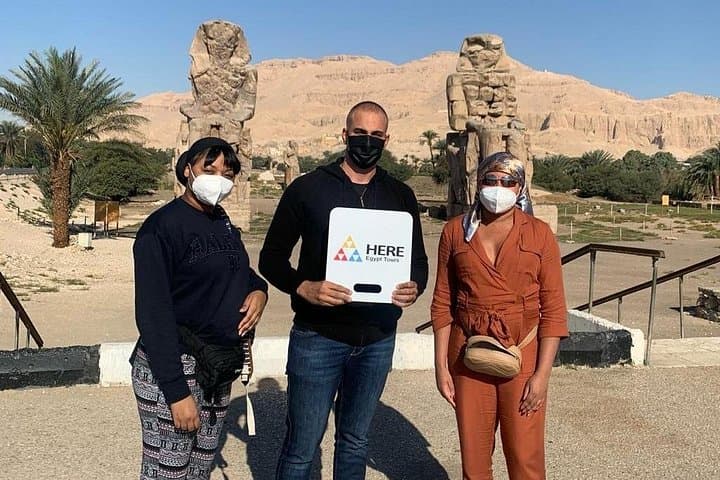
Days mix spectacle and context: a pre‑dawn hot air balloon over Luxor (typically 45–60 minutes), guided walks through the Valley of the Kings, a horse‑and‑carriage visit to Edfu, and a day trip to Alexandria’s Greco‑Roman sites. The high point is Abu Simbel — an early morning excursion roughly 280 km from Aswan to see Ramses II’s rock temples.
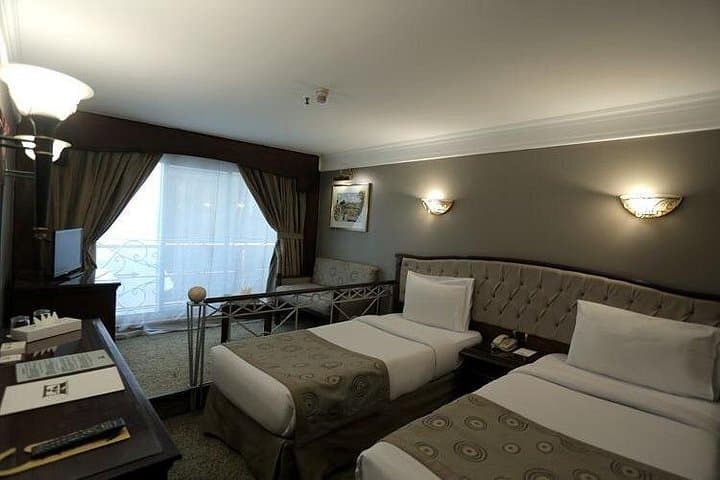
Practical guidance: expect early starts, dusty paths and lots of stairs at temples; carry SPF, refillable water and comfortable shoes. Trains and cruise cabins require light packing and a secure travel wallet for passports and tickets. Respect dress codes at religious sites, budget for local tips, and allow downtime between long transfers.
This itinerary balances iconic archaeology with the Nile’s lived cultures — it's sensory, logistical and highly walkable for travelers ready to move at the rhythm of ancient Egypt.
Most visitors require a visa; many nationalities obtain one on arrival or via e‑visa — check current embassy guidance before travel.
Licensed operators run 45–60 minute flights with briefings; wear layers, follow crew instructions and book through reputable providers included in the tour.
Expect several hours of walking daily with uneven surfaces and temple staircases; a moderate fitness level and steady pace are sufficient.
This tour includes most meals on the cruise, selected breakfasts and lunches, door‑to‑door transfers and first‑class train tickets as described in the itinerary.
Here Egypt Tours operates guided outdoor trips and adventures with an emphasis on safety, stewardship, and memorable experiences.
The sun rises over the Nile and the city exhales — Cairo’s hum gives way to ancient stone as this eight‑night circuit moves from the capital to the river’s quieter rhythms.
The sun rises over the Nile and the city exhales — Cairo’s hum gives way to ancient stone as this eight‑night circuit moves from the capital to the river’s quieter rhythms.
Travelers begin in Cairo with the sudden scale of Giza’s pyramids and the Sphinx, then board an overnight first‑class train to Luxor — roughly 9–10 hours by rail across ~650–700 km of Upper Egyptian desert. A three‑night Nile cruise steers south from Luxor to Aswan, stopping at Karnak, Luxor Temple, Edfu and Kom Ombo; the cruise is a relaxed platform for sunsets, small riverside villages and the slow pulse of the Nile.
Days mix spectacle and context: a pre‑dawn hot air balloon over Luxor (typically 45–60 minutes), guided walks through the Valley of the Kings, a horse‑and‑carriage visit to Edfu, and a day trip to Alexandria’s Greco‑Roman sites. The high point is Abu Simbel — an early morning excursion roughly 280 km from Aswan to see Ramses II’s rock temples.
Practical guidance: expect early starts, dusty paths and lots of stairs at temples; carry SPF, refillable water and comfortable shoes. Trains and cruise cabins require light packing and a secure travel wallet for passports and tickets. Respect dress codes at religious sites, budget for local tips, and allow downtime between long transfers.
This itinerary balances iconic archaeology with the Nile’s lived cultures — it's sensory, logistical and highly walkable for travelers ready to move at the rhythm of ancient Egypt.
