THE ADVENTURE COLLECTIVE® · Independent discovery and booking for outdoor travel

A compact, private nine-day loop that threads Sri Lanka’s cultural high points, elephant country, tea-country panoramas and southern whale-watching in a single, well-paced itinerary. Expect early starts for the best light, reserved train seats and local guides who move the story of the island forward.
A compact, private nine-day loop that threads Sri Lanka’s cultural high points, elephant country, tea-country panoramas and southern whale-watching in a single, well-paced itinerary. Expect early starts for the best light, reserved train seats and local guides who move the story of the island forward.
The first light over Colombo’s coastal flats feels like a promise — a humid, saffron-tinted morning that pushes back the jet lag and invites motion. In a private, air-conditioned van travelers slide past fishing stalls where nets are still dripping and Hindu kovils hum beneath the hum of tuk-tuks, beginning a loop that threads lowland lagoons, scrubby savanna, highland tea terraces and the warm blue of the southern sea.
Verified experiences and guided adventures in the surrounding area.
Operated by Mahaweli Tours and Holidays · Colombo, Western Province
The first light over Colombo’s coastal flats feels like a promise — a humid, saffron-tinted morning that pushes back the jet lag and invites motion. In a private, air-conditioned van travelers slide past fishing stalls where nets are still dripping and Hindu kovils hum beneath the hum of tuk-tuks, beginning a loop that threads lowland lagoons, scrubby savanna, highland tea terraces and the warm blue of the southern sea.
This eight-night circuit moves with intention: Negombo’s fishing market and mangrove tunnels, the ancient drama of Sigiriya’s rock fortress, elephant congregations at Minneriya, Kandy’s temple rituals and botanical calm, then the highland railway through misted tea estates before a finale on Sri Lanka’s southern coast — whale watching off Mirissa and sunset on Galle Fort.
Geology and history explain the route. Sigiriya’s iron-rich gneiss rose as an island in a shallow plain and became a fortified palace in the fifth century; the highlands are ancient erosion surfaces where tea now clings to terraced slopes. Colonial footprints — Portuguese, Dutch and British — linger in architecture, fortifications and the very rails that carve those dramatic train views. Culture here is immediate: Buddhist shrines keep their rhythm, village kitchens coax curries from wood-fired stoves, and market stalls call out varieties of fruit and spice.
Nature has agency: the Minneriya tanks lure wild elephants like a summons, the ocean draws migratory cetaceans to the continental shelf, and the central hills hold the fog like a secret. Travelers will feel these forces shaping the days — elephant herds moving as communal weather, currents of locals navigating daily trade, and rail whistles cutting through tea-scented air.
Practical edge: start climbable sights early. Sigiriya is best at first light to avoid heat and crowds; whale-watching boats leave before dawn for calmer seas and the best light. The itinerary includes reserved train seats on the Nanu Oya–Ella leg, private transfer throughout, and 3-star+ beach or hill hotels with breakfast. Expect a mix of easy walks and short, steep climbs (Sigiriya, Little Adam’s Peak), plus vehicle time averaging 3–5 hours between major stops.
Packing and pacing matter. Bring a light rain jacket, sturdy walking shoes, sun protection and a small daypack for temple visits and short hikes. Respect temple dress codes — shoulders and knees covered — and carry some local cash for market purchases and tips. Healthwise, stay hydrated and use mosquito protection in lowland and coastal evenings.
For travelers who want Sri Lanka’s sweep in nine days, this private, guided loop balances iconic photo moments with quieter local encounters — cookery demos, spice gardens and a train ride that unspools the island’s topography — all stitched together with local knowledge and a driver-guide who can read the country’s rhythms.
Most nationalities require an Electronic Travel Authorization (ETA) before arrival; check the Sri Lankan Immigration website and secure one in advance.
Daily breakfast is included; other meals such as lunches, dinners and the village cookery lunch may be provided as noted—confirm specific inclusions at booking.
Yes—this private itinerary accommodates families, though early starts and wildlife drives may be tiring for very young children.
The best months for Mirissa whale watching are November to April when seas are calmer and blue whales are more commonly sighted.
Routine vaccinations are advised; consult a travel clinic for recommendations on hepatitis A, typhoid and malaria preventive measures for some regions.
Transfers vary—expect 2–5 hours between major stops, with some longer days in order to reach coastal or hill destinations; the itinerary balances driving with activities.
Mahaweli Tours and Holidays operates guided outdoor trips and adventures with an emphasis on safety, stewardship, and memorable experiences.
The first light over Colombo’s coastal flats feels like a promise — a humid, saffron-tinted morning that pushes back the jet lag and invites motion. In a private, air-conditioned van travelers slide past fishing stalls where nets are still dripping and Hindu kovils hum beneath the hum of tuk-tuks, beginning a loop that threads lowland lagoons, scrubby savanna, highland tea terraces and the warm blue of the southern sea.
The first light over Colombo’s coastal flats feels like a promise — a humid, saffron-tinted morning that pushes back the jet lag and invites motion. In a private, air-conditioned van travelers slide past fishing stalls where nets are still dripping and Hindu kovils hum beneath the hum of tuk-tuks, beginning a loop that threads lowland lagoons, scrubby savanna, highland tea terraces and the warm blue of the southern sea.
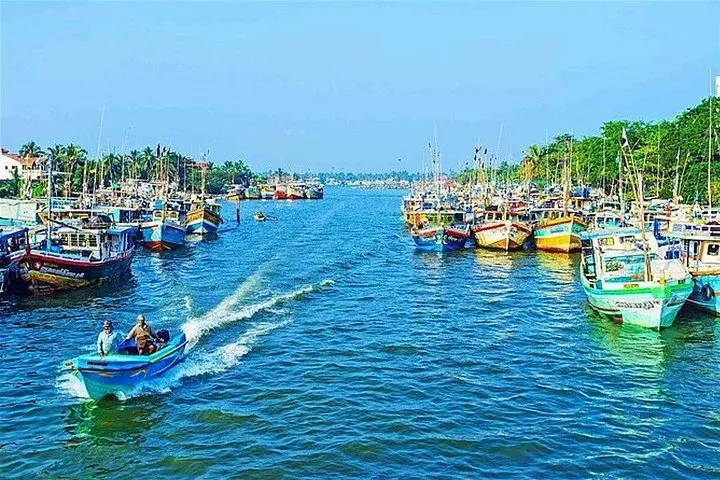
This eight-night circuit moves with intention: Negombo’s fishing market and mangrove tunnels, the ancient drama of Sigiriya’s rock fortress, elephant congregations at Minneriya, Kandy’s temple rituals and botanical calm, then the highland railway through misted tea estates before a finale on Sri Lanka’s southern coast — whale watching off Mirissa and sunset on Galle Fort.
Geology and history explain the route. Sigiriya’s iron-rich gneiss rose as an island in a shallow plain and became a fortified palace in the fifth century; the highlands are ancient erosion surfaces where tea now clings to terraced slopes. Colonial footprints — Portuguese, Dutch and British — linger in architecture, fortifications and the very rails that carve those dramatic train views. Culture here is immediate: Buddhist shrines keep their rhythm, village kitchens coax curries from wood-fired stoves, and market stalls call out varieties of fruit and spice.
Nature has agency: the Minneriya tanks lure wild elephants like a summons, the ocean draws migratory cetaceans to the continental shelf, and the central hills hold the fog like a secret. Travelers will feel these forces shaping the days — elephant herds moving as communal weather, currents of locals navigating daily trade, and rail whistles cutting through tea-scented air.
Practical edge: start climbable sights early. Sigiriya is best at first light to avoid heat and crowds; whale-watching boats leave before dawn for calmer seas and the best light. The itinerary includes reserved train seats on the Nanu Oya–Ella leg, private transfer throughout, and 3-star+ beach or hill hotels with breakfast. Expect a mix of easy walks and short, steep climbs (Sigiriya, Little Adam’s Peak), plus vehicle time averaging 3–5 hours between major stops.
Packing and pacing matter. Bring a light rain jacket, sturdy walking shoes, sun protection and a small daypack for temple visits and short hikes. Respect temple dress codes — shoulders and knees covered — and carry some local cash for market purchases and tips. Healthwise, stay hydrated and use mosquito protection in lowland and coastal evenings.
For travelers who want Sri Lanka’s sweep in nine days, this private, guided loop balances iconic photo moments with quieter local encounters — cookery demos, spice gardens and a train ride that unspools the island’s topography — all stitched together with local knowledge and a driver-guide who can read the country’s rhythms.