THE ADVENTURE COLLECTIVE® · Independent discovery and booking for outdoor travel

A nine-day circuit from Lhasa to Nyingchi that pairs Potala Palace culture with eastern-Tibet’s glacier lakes and the rare blue ice of Laigu. Expect long drives, high passes and close glacier views—plan for altitude and variable weather.
A nine-day circuit from Lhasa to Nyingchi that pairs Potala Palace culture with eastern-Tibet’s glacier lakes and the rare blue ice of Laigu. Expect long drives, high passes and close glacier views—plan for altitude and variable weather.
You step off the bus and the air thins like a hand smoothing the landscape—breath shorter, sky sharper. Over nine days this tour threads high passes, turquoise lakes and blue-ice faces from Lhasa to Nyingchi, delivering both Tibetan culture and raw glacial geology.
Verified experiences and guided adventures in the surrounding area.
Operated by Journey2Tibet · Lhasa, Tibet Autonomous Region
You step off the bus and the air thins like a hand smoothing the landscape—breath shorter, sky sharper. Over nine days this tour threads high passes, turquoise lakes and blue-ice faces from Lhasa to Nyingchi, delivering both Tibetan culture and raw glacial geology.
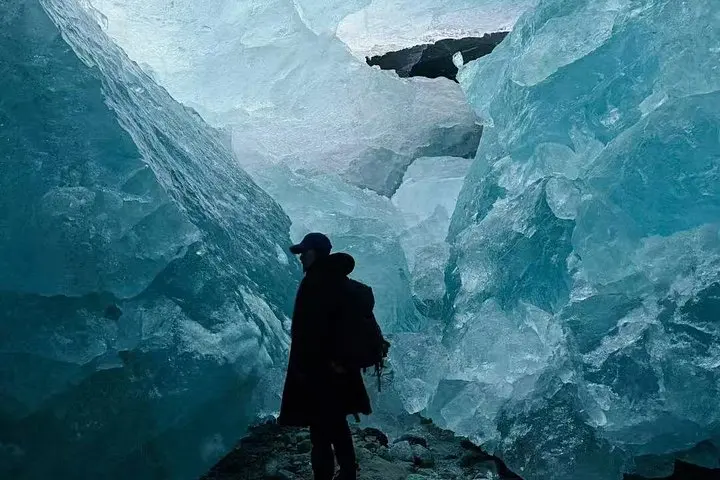
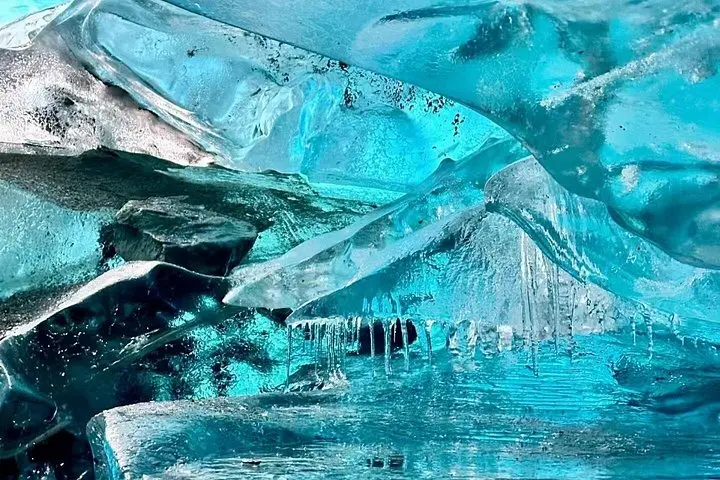
Begin in Lhasa, where the Potala’s layered mass points to centuries of religious power and the Jokhang hums with pilgrims. Drive east along the Niyang River; valleys stretch into virgin forest and the road climbs Mira Pass (5,013 m), a natural threshold between high plateau and the wetter eastern ranges. Nyingchi’s lower elevation opens to dense woods, waterfalls and Ranwu’s meadow-fringed lake. Laigu Village sits amid fractured ice tongues whose differing mineral beds tint lake basins, producing the rare "blue ice" spectacle that caught explorers’ eyes.
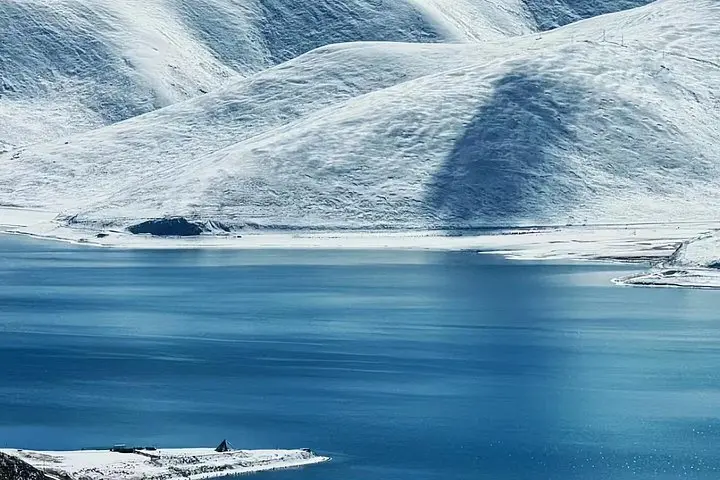
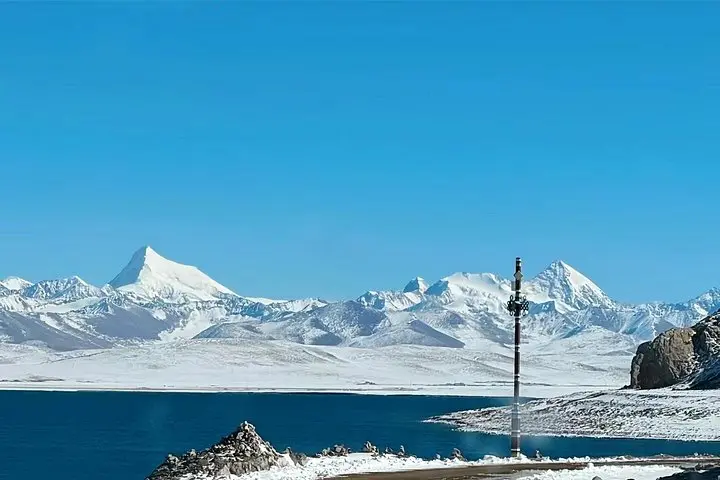
Geology here is immediate: active uplift, glaciers carving cirques and moraine-dammed lakes that shift color with sediment and season. Culturally, villages punctuate the route with mani walls, prayer flags and nomadic herds—reminders that these landscapes are lived-in.
Practical guidance: allow two days to acclimatize in Lhasa, hydrate constantly and move deliberately at altitude. Expect long drives (daily transfers of several hours), short hikes to viewpoints and close glacier observation rather than technical mountaineering. Pack layered cold-weather gear, sun protection and basic altitude medication. Respect sacred sites, follow your guide’s recommendations and keep plastic out of fragile highland wetlands—the landscape responds quickly to pressure and climate.
Yes. Entry into Tibet requires a Tibet Travel Permit; this tour includes permit arrangement and entry paperwork for participants.
No. The itinerary goes above 4,000–5,000 m and is not recommended for pregnant travelers or those with significant cardiovascular issues.
Late spring to early autumn offers the most stable access; however, the color and visibility of blue ice depend on recent weather and seasonal melt patterns.
Visits involve short walks and viewpoints; glaciers are observed from safe, non-technical vantage points—no mountaineering skills required.
Journey2Tibet operates guided outdoor trips and adventures with an emphasis on safety, stewardship, and memorable experiences.
You step off the bus and the air thins like a hand smoothing the landscape—breath shorter, sky sharper. Over nine days this tour threads high passes, turquoise lakes and blue-ice faces from Lhasa to Nyingchi, delivering both Tibetan culture and raw glacial geology.
You step off the bus and the air thins like a hand smoothing the landscape—breath shorter, sky sharper. Over nine days this tour threads high passes, turquoise lakes and blue-ice faces from Lhasa to Nyingchi, delivering both Tibetan culture and raw glacial geology.
Begin in Lhasa, where the Potala’s layered mass points to centuries of religious power and the Jokhang hums with pilgrims. Drive east along the Niyang River; valleys stretch into virgin forest and the road climbs Mira Pass (5,013 m), a natural threshold between high plateau and the wetter eastern ranges. Nyingchi’s lower elevation opens to dense woods, waterfalls and Ranwu’s meadow-fringed lake. Laigu Village sits amid fractured ice tongues whose differing mineral beds tint lake basins, producing the rare "blue ice" spectacle that caught explorers’ eyes.
Geology here is immediate: active uplift, glaciers carving cirques and moraine-dammed lakes that shift color with sediment and season. Culturally, villages punctuate the route with mani walls, prayer flags and nomadic herds—reminders that these landscapes are lived-in.
Practical guidance: allow two days to acclimatize in Lhasa, hydrate constantly and move deliberately at altitude. Expect long drives (daily transfers of several hours), short hikes to viewpoints and close glacier observation rather than technical mountaineering. Pack layered cold-weather gear, sun protection and basic altitude medication. Respect sacred sites, follow your guide’s recommendations and keep plastic out of fragile highland wetlands—the landscape responds quickly to pressure and climate.