THE ADVENTURE COLLECTIVE® · Independent discovery and booking for outdoor travel
Nine days that thread Cairo’s pyramids with a three-night Nile cruise and two restful nights on the Red Sea. See Aswan, Kom Ombo, Edfu and Luxor’s tombs, then unwind in Hurghada.
Nine days that thread Cairo’s pyramids with a three-night Nile cruise and two restful nights on the Red Sea. See Aswan, Kom Ombo, Edfu and Luxor’s tombs, then unwind in Hurghada.
You step out into Cairo's morning heat and the city hums around you: vendors calling, traffic breathing, and the silhouette of three pyramids cutting the horizon like ancient sentinels daring you to come closer.
Verified experiences and guided adventures in the surrounding area.
Operated by Ramasside Tours · Cairo, Cairo Governorate
You step out into Cairo's morning heat and the city hums around you: vendors calling, traffic breathing, and the silhouette of three pyramids cutting the horizon like ancient sentinels daring you to come closer.
This nine-day loop mixes city archaeology, Nubian river scenery and a slice of Red Sea coast. Begin with the Egyptian Museum and the Giza Plateau — pharaonic stones that record millennia of ritual and engineering. Fly south to Aswan, where the High Dam reshaped the Nile and Philae temple floats on its island, a compact lesson in both ancient cults and modern hydrology. Boarding a three-night Nile cruise lets the river become your moving hotel; temples at Kom Ombo (shared dedications to Sobek and Haroeris) and Edfu (Temple of Horus) rise from palm-lined banks, each carved with the imprint of Greco-Roman and Pharaonic layers.
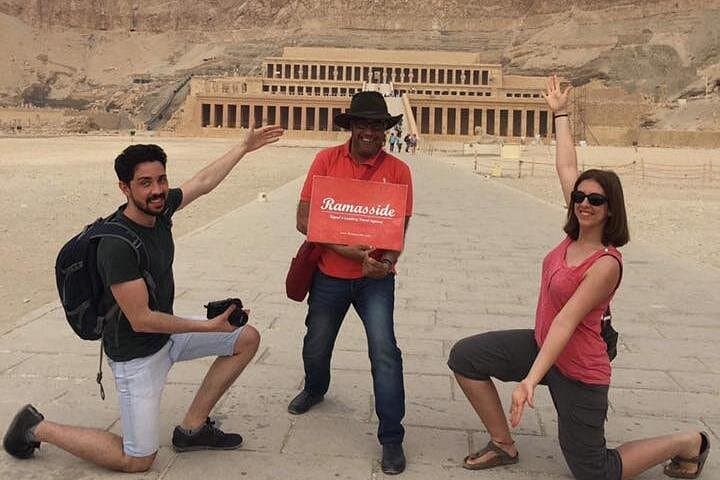
Luxor’s East and West Banks contain the Valley of the Kings, Hatshepsut’s mortuary terraces, and the colossal memnon statues, a concentrated classroom of Egyptian funerary culture. The trip finishes with two beach nights in Hurghada for snorkeling or a simple day of rest on the Red Sea.
Practical guidance: expect warm, dry weather most of the year, airports and comfortable transfers between stops, and full-board meals while cruising. Pack light, bring sun protection, and plan early starts for temple visits to avoid heat and crowds. Carry photocopies of documents and local currency for tips; modest dress is advised at religious sites. This is a culturally rich, low-strain journey best suited to travelers who want history, river rhythm, and a coastal finish in one itinerary.
No — days involve moderate walking at sites with options to rest; most transfers are by air-conditioned vehicles and the cruise provides comfortable downtime.
Many nationalities require a visa for Egypt; check government guidance and secure it before travel or arrange an e-visa where available.
The itinerary lists meals and many transfers; tipping is customary and entrance fees for some sites are usually included, but check your supplier details for specifics.
Yes — Hurghada offers snorkeling and diving; excursions are typically optional and may be booked locally or through the tour operator.
Ramasside Tours operates guided outdoor trips and adventures with an emphasis on safety, stewardship, and memorable experiences.
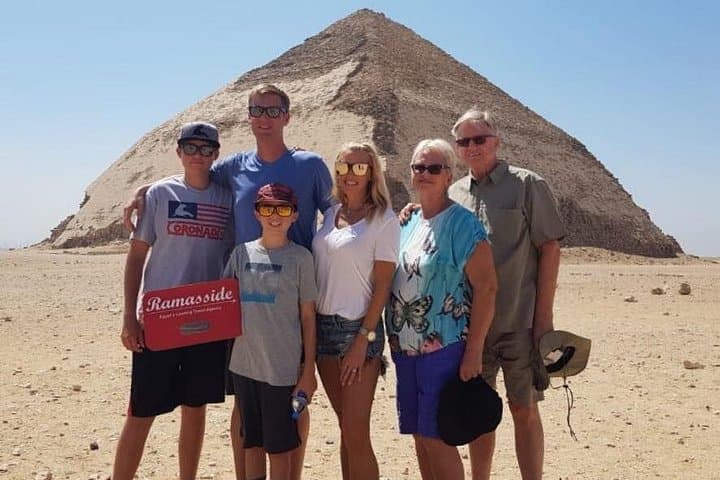
You step out into Cairo's morning heat and the city hums around you: vendors calling, traffic breathing, and the silhouette of three pyramids cutting the horizon like ancient sentinels daring you to come closer.
You step out into Cairo's morning heat and the city hums around you: vendors calling, traffic breathing, and the silhouette of three pyramids cutting the horizon like ancient sentinels daring you to come closer.
This nine-day loop mixes city archaeology, Nubian river scenery and a slice of Red Sea coast. Begin with the Egyptian Museum and the Giza Plateau — pharaonic stones that record millennia of ritual and engineering. Fly south to Aswan, where the High Dam reshaped the Nile and Philae temple floats on its island, a compact lesson in both ancient cults and modern hydrology. Boarding a three-night Nile cruise lets the river become your moving hotel; temples at Kom Ombo (shared dedications to Sobek and Haroeris) and Edfu (Temple of Horus) rise from palm-lined banks, each carved with the imprint of Greco-Roman and Pharaonic layers.
Luxor’s East and West Banks contain the Valley of the Kings, Hatshepsut’s mortuary terraces, and the colossal memnon statues, a concentrated classroom of Egyptian funerary culture. The trip finishes with two beach nights in Hurghada for snorkeling or a simple day of rest on the Red Sea.
Practical guidance: expect warm, dry weather most of the year, airports and comfortable transfers between stops, and full-board meals while cruising. Pack light, bring sun protection, and plan early starts for temple visits to avoid heat and crowds. Carry photocopies of documents and local currency for tips; modest dress is advised at religious sites. This is a culturally rich, low-strain journey best suited to travelers who want history, river rhythm, and a coastal finish in one itinerary.
