THE ADVENTURE COLLECTIVE® · Independent discovery and booking for outdoor travel

Cruise the Nile and trace Egypt’s ancient spine on a nine-day itinerary from Cairo to Abu Simbel. Visit Giza, Luxor’s temples, Kom Ombo and the Valley of the Kings with guided landings and a four-night Nile cruise.
Cruise the Nile and trace Egypt’s ancient spine on a nine-day itinerary from Cairo to Abu Simbel. Visit Giza, Luxor’s temples, Kom Ombo and the Valley of the Kings with guided landings and a four-night Nile cruise.
You step off the Cairo airport transfer into a city where dust and history meet—the heat hums, traffic threads past, and the silhouette of a pyramid sits on the horizon like a slow-moving story. Over the next nine days the Nile will guide you south: stone temples rising from the river’s edge, colossi surveying ochre sands, and villages that time and tide shaped around the river’s pull.
Verified experiences and guided adventures in the surrounding area.
Operated by Book Your Tours · Luxor, Luxor Governorate
You step off the Cairo airport transfer into a city where dust and history meet—the heat hums, traffic threads past, and the silhouette of a pyramid sits on the horizon like a slow-moving story. Over the next nine days the Nile will guide you south: stone temples rising from the river’s edge, colossi surveying ochre sands, and villages that time and tide shaped around the river’s pull.
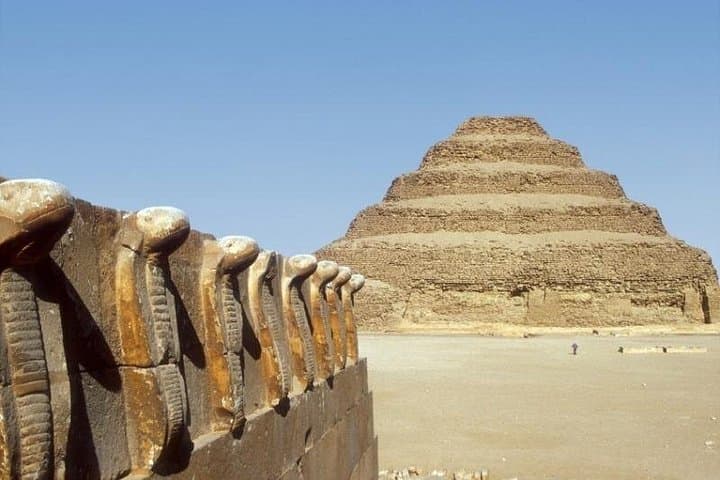
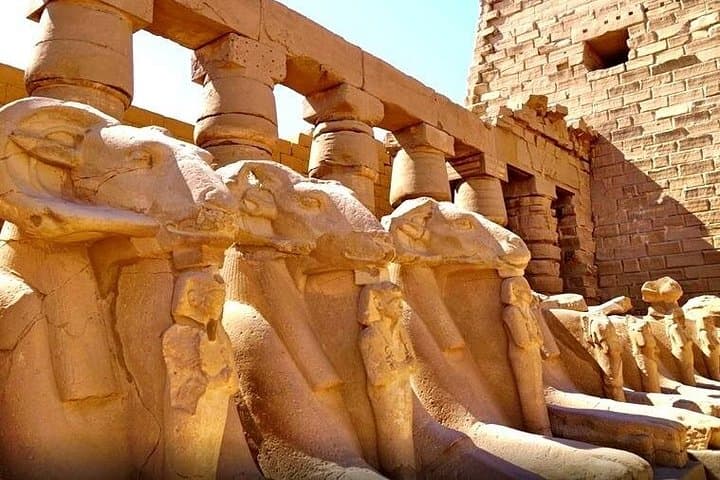
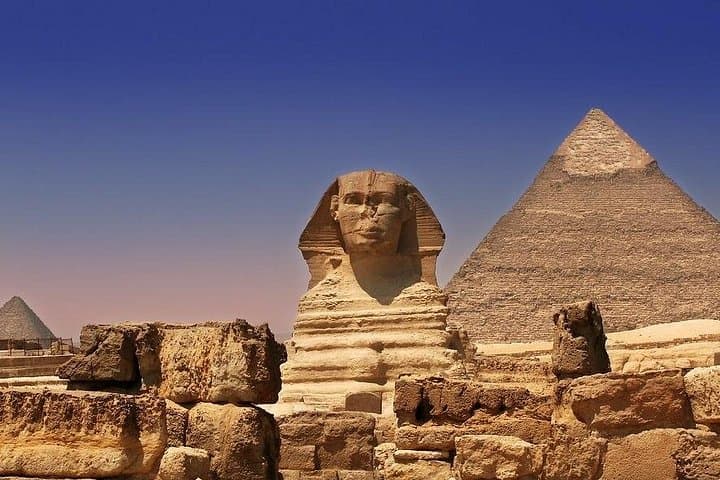
This route follows millennia of Egyptian civilization. From the Giza plateau and Saqqara’s step pyramid—an early experiment in stone—to Luxor’s Karnak complex and the carved tombs of the Valley of the Kings, the trip charts dynasties and architectural evolution. Geologically the Nile corridor slices through sedimentary basins; fertile floodplains contrast with the desert plateaus that preserve rock-cut temples such as Abu Simbel, relocated in the 1960s to save them from Lake Nasser.
Culturally you’ll cross living marketplaces, Coptic quarters, and Nubian islands where local craft and cuisine add texture to monumental antiquity. Expect guided temple walks, museum time in Cairo, and relaxed days aboard a mid-sized Nile cruiser between Luxor and Aswan.
Practical guidance: travel days involve long transfers and early starts—pack sun protection and a comfortable pair of walking shoes for uneven stone and temple steps. Carry a refillable water bottle, modest clothing for religious sites, and small bills for tips and tomb photography fees. Plan to move at a steady but unhurried pace; the river pushes the itinerary forward, but the best moments come when you pause and listen to it.
Visa requirements depend on your nationality; many travelers obtain a visa on arrival or e‑visa—check Egypt’s official entry rules before travel.
Many tombs and some pyramids permit entry with separate tickets or limited access; the guide will confirm availability and any extra fees during the tour.
Yes—mid-size Nile cruises provide cabins, dining, and shaded decks; motion is minimal and days ashore are on foot, so it suits travelers who prefer relaxed travel with historic stops.
Tipping is customary in Egypt; guides, drivers, and cruise staff expect modest tips—ask your guide for suggested amounts and carry small local bills.
Book Your Tours operates guided outdoor trips and adventures with an emphasis on safety, stewardship, and memorable experiences.

You step off the Cairo airport transfer into a city where dust and history meet—the heat hums, traffic threads past, and the silhouette of a pyramid sits on the horizon like a slow-moving story. Over the next nine days the Nile will guide you south: stone temples rising from the river’s edge, colossi surveying ochre sands, and villages that time and tide shaped around the river’s pull.
You step off the Cairo airport transfer into a city where dust and history meet—the heat hums, traffic threads past, and the silhouette of a pyramid sits on the horizon like a slow-moving story. Over the next nine days the Nile will guide you south: stone temples rising from the river’s edge, colossi surveying ochre sands, and villages that time and tide shaped around the river’s pull.
This route follows millennia of Egyptian civilization. From the Giza plateau and Saqqara’s step pyramid—an early experiment in stone—to Luxor’s Karnak complex and the carved tombs of the Valley of the Kings, the trip charts dynasties and architectural evolution. Geologically the Nile corridor slices through sedimentary basins; fertile floodplains contrast with the desert plateaus that preserve rock-cut temples such as Abu Simbel, relocated in the 1960s to save them from Lake Nasser.
Culturally you’ll cross living marketplaces, Coptic quarters, and Nubian islands where local craft and cuisine add texture to monumental antiquity. Expect guided temple walks, museum time in Cairo, and relaxed days aboard a mid-sized Nile cruiser between Luxor and Aswan.
Practical guidance: travel days involve long transfers and early starts—pack sun protection and a comfortable pair of walking shoes for uneven stone and temple steps. Carry a refillable water bottle, modest clothing for religious sites, and small bills for tips and tomb photography fees. Plan to move at a steady but unhurried pace; the river pushes the itinerary forward, but the best moments come when you pause and listen to it.