THE ADVENTURE COLLECTIVE® · Independent discovery and booking for outdoor travel

A practical nine-day circuit from Cairo to Aswan that mixes a three-night Nile cruise with sleeper trains, felucca rides and guided visits to Egypt’s most famous temples. Ideal for travelers who want cultural depth with efficient logistics.
A practical nine-day circuit from Cairo to Aswan that mixes a three-night Nile cruise with sleeper trains, felucca rides and guided visits to Egypt’s most famous temples. Ideal for travelers who want cultural depth with efficient logistics.
You step out of Cairo’s airport into dry, mineral air and the city immediately reasserts itself: the hum of traffic, the scent of spices, and the distant geometry of the Pyramids drawing you westward. Over nine days the Nile becomes a moving basecamp—an ancient river that pulls you forward from the limestone plains of Giza through the palm-lined reaches of Upper Egypt to Aswan’s granite shoulders.
Verified experiences and guided adventures in the surrounding area.
Operated by Alacart Travel Egypt · Cairo, Cairo Governorate
You step out of Cairo’s airport into dry, mineral air and the city immediately reasserts itself: the hum of traffic, the scent of spices, and the distant geometry of the Pyramids drawing you westward. Over nine days the Nile becomes a moving basecamp—an ancient river that pulls you forward from the limestone plains of Giza through the palm-lined reaches of Upper Egypt to Aswan’s granite shoulders.
This itinerary strings iconic sites into a practical route: Giza’s Great Pyramids and Sphinx, the Pharaonic collections of the Egyptian Museum and the Citadel in Cairo, then a sleeper-train hop to Aswan. From there you’ll board a three-night Nile cruise, stopping at Philae, Edfu and Luxor’s east and west banks—Valley of the Kings, Hatshepsut’s mortuary temple and Karnak. Geology is visible everywhere: wind-sculpted desert, the river’s sedimentary floodplain and Aswan’s ancient granite quarries that shaped obelisks. Culturally, expect layered histories—Pharaonic temples repurposed over millennia, Nubian communities in Aswan, and modern Cairo’s Ottoman and Coptic neighborhoods.
Practical edge: plan for long transfers, sun exposure, and uneven temple steps. Book the optional Abu Simbel excursion early and keep a flexible day for felucca sailing or a hot-air balloon at dawn. Carry local-currency cash for tipping and small purchases, wear closed footwear for temple rubble, and hydrate constantly; the Nile’s current may be calm, but Upper Egypt’s sun is insistent.
Most visitors require a visa—check your national requirements and obtain one in advance or on arrival where available.
The itinerary includes a three-night Nile cruise; verify cabin class and any optional excursions (Abu Simbel, hot-air balloon) when booking.
The trip uses sitting sleeper trains between Cairo and Aswan; expect basic but functional accommodations—bring earplugs and a light layer.
Some services and transport may be wheelchair accessible, but many ancient sites have uneven terrain and steps—check accessibility details in advance.
Alacart Travel Egypt operates guided outdoor trips and adventures with an emphasis on safety, stewardship, and memorable experiences.


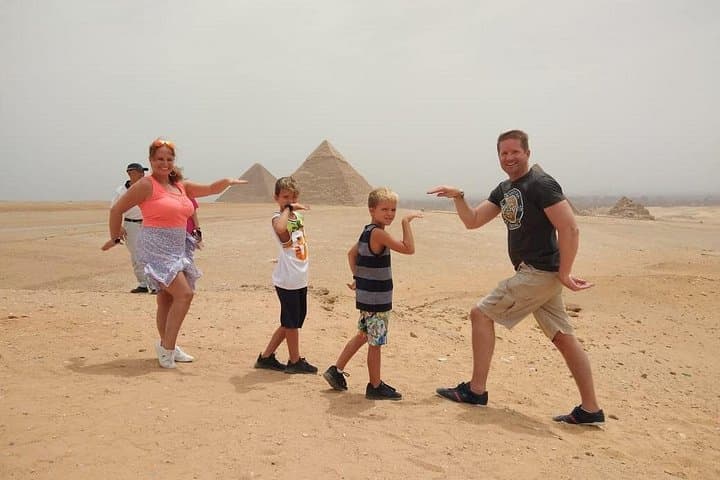
You step out of Cairo’s airport into dry, mineral air and the city immediately reasserts itself: the hum of traffic, the scent of spices, and the distant geometry of the Pyramids drawing you westward. Over nine days the Nile becomes a moving basecamp—an ancient river that pulls you forward from the limestone plains of Giza through the palm-lined reaches of Upper Egypt to Aswan’s granite shoulders.
You step out of Cairo’s airport into dry, mineral air and the city immediately reasserts itself: the hum of traffic, the scent of spices, and the distant geometry of the Pyramids drawing you westward. Over nine days the Nile becomes a moving basecamp—an ancient river that pulls you forward from the limestone plains of Giza through the palm-lined reaches of Upper Egypt to Aswan’s granite shoulders.
This itinerary strings iconic sites into a practical route: Giza’s Great Pyramids and Sphinx, the Pharaonic collections of the Egyptian Museum and the Citadel in Cairo, then a sleeper-train hop to Aswan. From there you’ll board a three-night Nile cruise, stopping at Philae, Edfu and Luxor’s east and west banks—Valley of the Kings, Hatshepsut’s mortuary temple and Karnak. Geology is visible everywhere: wind-sculpted desert, the river’s sedimentary floodplain and Aswan’s ancient granite quarries that shaped obelisks. Culturally, expect layered histories—Pharaonic temples repurposed over millennia, Nubian communities in Aswan, and modern Cairo’s Ottoman and Coptic neighborhoods.
Practical edge: plan for long transfers, sun exposure, and uneven temple steps. Book the optional Abu Simbel excursion early and keep a flexible day for felucca sailing or a hot-air balloon at dawn. Carry local-currency cash for tipping and small purchases, wear closed footwear for temple rubble, and hydrate constantly; the Nile’s current may be calm, but Upper Egypt’s sun is insistent.