THE ADVENTURE COLLECTIVE® · Independent discovery and booking for outdoor travel

Cover Egypt’s essentials in nine days: Giza, Alexandria, a sleeper to Aswan and a three-night Nile cruise that stops at Philae, Kom Ombo, Edfu and Luxor. This private tour pairs Egyptologist-guided visits with comfortable five-star hotels and full-board cruising.
Cover Egypt’s essentials in nine days: Giza, Alexandria, a sleeper to Aswan and a three-night Nile cruise that stops at Philae, Kom Ombo, Edfu and Luxor. This private tour pairs Egyptologist-guided visits with comfortable five-star hotels and full-board cruising.
The trip opens with Cairo’s morning light on limestone blocks — you step out beneath the shadow of the Great Pyramid as the city hums behind you. From Giza’s ancient plateau to the slow, steady current of the Nile between Aswan and Luxor, the journey moves at the pace of water and history: sleeper train nights, a three-night full-board river cruise, and guided walks through temple colonnades.
Verified experiences and guided adventures in the surrounding area.
Operated by Bastet Travel · Cairo, Cairo Governorate
The trip opens with Cairo’s morning light on limestone blocks — you step out beneath the shadow of the Great Pyramid as the city hums behind you. From Giza’s ancient plateau to the slow, steady current of the Nile between Aswan and Luxor, the journey moves at the pace of water and history: sleeper train nights, a three-night full-board river cruise, and guided walks through temple colonnades.
This route threads major chapters of Egyptian civilization. Saqqara and Memphis show the evolution of royal burial practice before the Old Kingdom; Alexandria layers Greek and Roman traces on a Mediterranean edge; the Nile corridor between Aswan and Luxor hosts Philae, Kom Ombo, Edfu and Karnak — Ptolemaic and New Kingdom monuments carved into sandstone and granite. Geologically the Nile valley is a ribbon of alluvial soil and exposed bedrock where temples anchor to higher ground; culturally, the river remains Egypt’s lifeline, shaping towns and agricultural patterns.
Expect long guided days with multiple short walks, stair climbs at tomb entrances and temple platforms, and some uneven cobbles. Mornings are best for outdoor sites to avoid heat and crowds; evenings on deck bring softer light and a quieter view of riverbanks that, in places, still harbor the Nile’s wildlife and fishermen.
Practical notes: allow visa time, carry Egyptian pounds for small purchases, wear modest, breathable clothing for religious sites, and bring a reusable water bottle and a lightweight daypack. Comfortable walking shoes and sun protection will make temple visits and market strolls much more enjoyable.
Most nationalities require a visa; many can obtain a single-entry tourist visa on arrival or an e-visa in advance—check current Egyptian government requirements before travel.
Yes, the itinerary is designed for general comfort with five-star hotels and full-board cruise amenities; families and older travelers should note stairs and some on/off boarding for tender boats.
This private tour includes entrance fees to listed sites and the domestic flight from Luxor to Cairo as described, but optional excursions like Abu Simbel may cost extra.
Sleeper train cabins provide basic overnight comfort; the included 3-night Nile cruise is full-board with private cabins, meals and on-board services for a smoother overnight experience.
Bastet Travel operates guided outdoor trips and adventures with an emphasis on safety, stewardship, and memorable experiences.

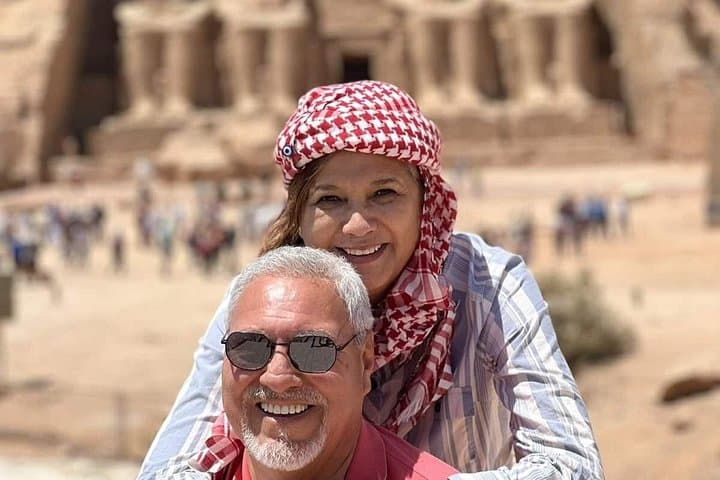
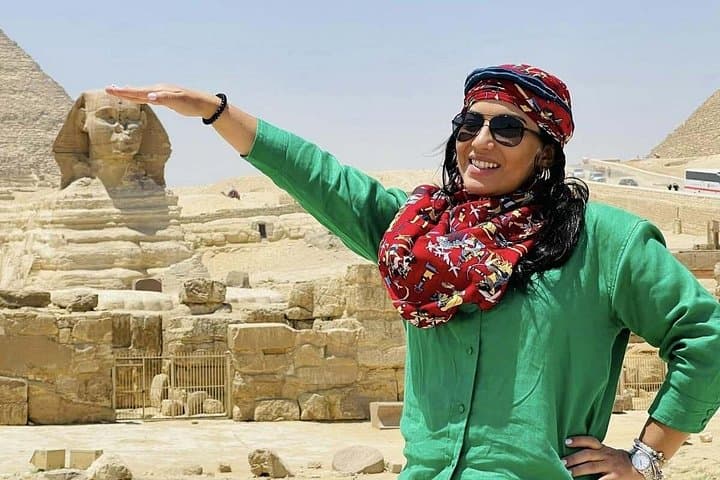
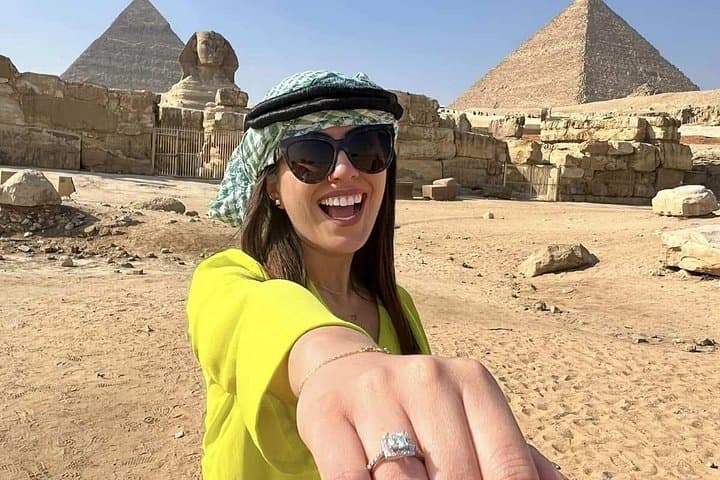
The trip opens with Cairo’s morning light on limestone blocks — you step out beneath the shadow of the Great Pyramid as the city hums behind you. From Giza’s ancient plateau to the slow, steady current of the Nile between Aswan and Luxor, the journey moves at the pace of water and history: sleeper train nights, a three-night full-board river cruise, and guided walks through temple colonnades.
The trip opens with Cairo’s morning light on limestone blocks — you step out beneath the shadow of the Great Pyramid as the city hums behind you. From Giza’s ancient plateau to the slow, steady current of the Nile between Aswan and Luxor, the journey moves at the pace of water and history: sleeper train nights, a three-night full-board river cruise, and guided walks through temple colonnades.
This route threads major chapters of Egyptian civilization. Saqqara and Memphis show the evolution of royal burial practice before the Old Kingdom; Alexandria layers Greek and Roman traces on a Mediterranean edge; the Nile corridor between Aswan and Luxor hosts Philae, Kom Ombo, Edfu and Karnak — Ptolemaic and New Kingdom monuments carved into sandstone and granite. Geologically the Nile valley is a ribbon of alluvial soil and exposed bedrock where temples anchor to higher ground; culturally, the river remains Egypt’s lifeline, shaping towns and agricultural patterns.
Expect long guided days with multiple short walks, stair climbs at tomb entrances and temple platforms, and some uneven cobbles. Mornings are best for outdoor sites to avoid heat and crowds; evenings on deck bring softer light and a quieter view of riverbanks that, in places, still harbor the Nile’s wildlife and fishermen.
Practical notes: allow visa time, carry Egyptian pounds for small purchases, wear modest, breathable clothing for religious sites, and bring a reusable water bottle and a lightweight daypack. Comfortable walking shoes and sun protection will make temple visits and market strolls much more enjoyable.