THE ADVENTURE COLLECTIVE® · Independent discovery and booking for outdoor travel

A nine‑day cultural route from Cairo to Aswan that pairs Coptic sites, Greco‑Roman Alexandria, temple-rich Luxor, and a Red Sea dolphin and snorkeling trip. Expect long scenic drives, early starts for temples, and a mix of desert monasteries and Nile heritage.
A nine‑day cultural route from Cairo to Aswan that pairs Coptic sites, Greco‑Roman Alexandria, temple-rich Luxor, and a Red Sea dolphin and snorkeling trip. Expect long scenic drives, early starts for temples, and a mix of desert monasteries and Nile heritage.
You step out of Cairo International’s arrival hall into the heat and hum of a city that has been a crossroads for millennia. A driver with a placard leads you into an air‑conditioned car; by evening the Nile slides past your dinner‑cruise window as minarets and municipal lights count off history in profiles.
Verified experiences and guided adventures in the surrounding area.
Operated by travel to church · Cairo, Cairo
You step out of Cairo International’s arrival hall into the heat and hum of a city that has been a crossroads for millennia. A driver with a placard leads you into an air‑conditioned car; by evening the Nile slides past your dinner‑cruise window as minarets and municipal lights count off history in profiles.
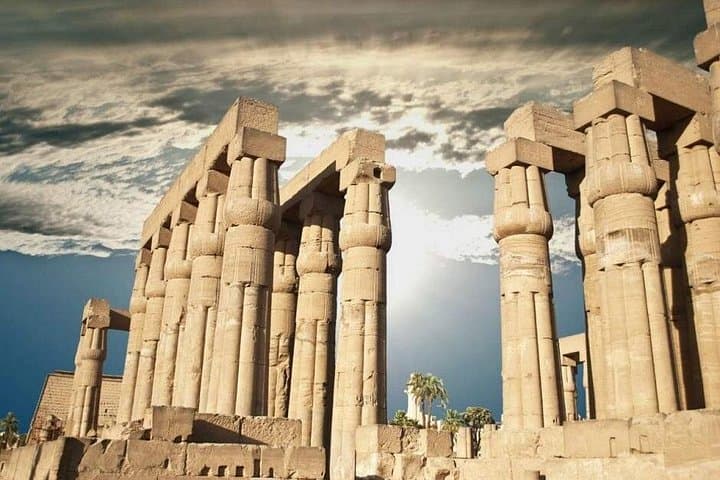
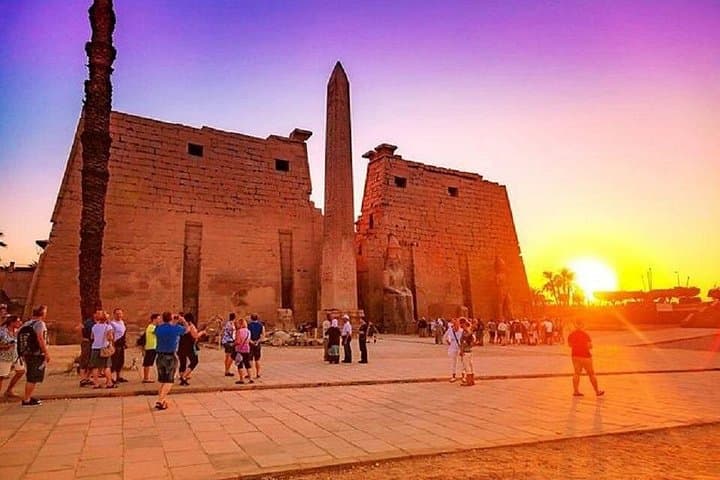
This nine‑day route threads Coptic churches and desert monasteries with Pharaonic temples and Greco‑Roman Alexandria. In Old Cairo, stone and frescoed iconography recall early Christian communities; along the Nile the sandstone and granite of Luxor and Aswan tell a different geological story—soft sedimentary banks giving way to hard Aswan granite quarried by the ancients. On the Mediterranean in Alexandria you’ll find Roman theaters and the modern Bibliotheca; on the Red Sea the coral reefs and dolphins remind you this trip crosses ecosystems as well as eras.
Expect long but scenic transfers—Cairo to Alexandria by road (about 2–3 hours), Hurghada to Luxor around 3–4 hours—and early starts for prime light at Kom El Shoqafa, the Valley of the Kings, and Abu Simbel. Practicalities matter: modest clothing for churches, sturdy shoes for uneven temple floors, and reef‑safe sunscreen for snorkeling. Guides handle entrances and logistics; bring cash for small-site donations and tips.
The itinerary balances museum halls and open desert, quiet monastic courtyards and the sudden rush of a dolphin pod. Plan for heat by day, cooler nights near the Nile, and a rhythm of walking, short drives, and boat time that keeps the focus on discovery rather than exhaustion.
The tour notes entrance fees to tourist sites are included in the package price, but small on‑site donations and optional extras are usually out of pocket.
Most visitors require a visa to enter Egypt; check your nationality requirements and passport validity well in advance—providers often ask for passport details when booking.
Boat-based dolphin watching is suitable for non‑swimmers; snorkeling sections assume basic comfort in water—inform the operator if you need a guide or flotation aid.
Temples and tombs often have uneven stone floors, steps and tight spaces; mobility issues may limit access to some areas like narrow tomb descents.
travel to church operates guided outdoor trips and adventures with an emphasis on safety, stewardship, and memorable experiences.
You step out of Cairo International’s arrival hall into the heat and hum of a city that has been a crossroads for millennia. A driver with a placard leads you into an air‑conditioned car; by evening the Nile slides past your dinner‑cruise window as minarets and municipal lights count off history in profiles.
You step out of Cairo International’s arrival hall into the heat and hum of a city that has been a crossroads for millennia. A driver with a placard leads you into an air‑conditioned car; by evening the Nile slides past your dinner‑cruise window as minarets and municipal lights count off history in profiles.
This nine‑day route threads Coptic churches and desert monasteries with Pharaonic temples and Greco‑Roman Alexandria. In Old Cairo, stone and frescoed iconography recall early Christian communities; along the Nile the sandstone and granite of Luxor and Aswan tell a different geological story—soft sedimentary banks giving way to hard Aswan granite quarried by the ancients. On the Mediterranean in Alexandria you’ll find Roman theaters and the modern Bibliotheca; on the Red Sea the coral reefs and dolphins remind you this trip crosses ecosystems as well as eras.
Expect long but scenic transfers—Cairo to Alexandria by road (about 2–3 hours), Hurghada to Luxor around 3–4 hours—and early starts for prime light at Kom El Shoqafa, the Valley of the Kings, and Abu Simbel. Practicalities matter: modest clothing for churches, sturdy shoes for uneven temple floors, and reef‑safe sunscreen for snorkeling. Guides handle entrances and logistics; bring cash for small-site donations and tips.
The itinerary balances museum halls and open desert, quiet monastic courtyards and the sudden rush of a dolphin pod. Plan for heat by day, cooler nights near the Nile, and a rhythm of walking, short drives, and boat time that keeps the focus on discovery rather than exhaustion.