THE ADVENTURE COLLECTIVE® · Independent discovery and booking for outdoor travel

Traverse millennia in nine days: from Cairo’s pyramids and Alexandria’s Roman ruins to a Nile cruise, Abu Simbel’s rock-cut temples and a sunrise hot-air balloon over Luxor. Practical transfers, included meals and expert guides make this a compact introduction to Egypt’s highlights.
Traverse millennia in nine days: from Cairo’s pyramids and Alexandria’s Roman ruins to a Nile cruise, Abu Simbel’s rock-cut temples and a sunrise hot-air balloon over Luxor. Practical transfers, included meals and expert guides make this a compact introduction to Egypt’s highlights.
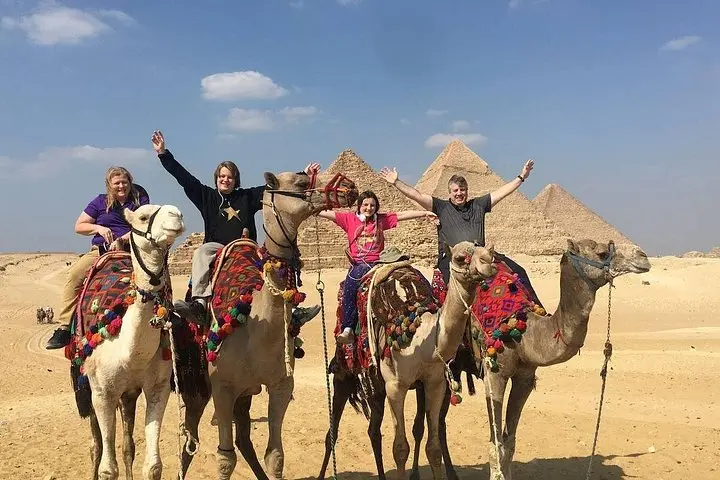
You step out of Cairo International Airport and the city hits you—heat against your skin, a river that insists on flowing through everything, and a skyline punctuated by minarets and concrete. The first morning the Giza Plateau opens up like a lived-in map: the Great Pyramid’s geometry still manages to feel purposeful, the Sphinx gazes as if cataloguing centuries of visitors.
Verified experiences and guided adventures in the surrounding area.
Operated by Mody Egypt Tours · Cairo, Cairo Governorate
You step out of Cairo International Airport and the city hits you—heat against your skin, a river that insists on flowing through everything, and a skyline punctuated by minarets and concrete. The first morning the Giza Plateau opens up like a lived-in map: the Great Pyramid’s geometry still manages to feel purposeful, the Sphinx gazes as if cataloguing centuries of visitors.
This itinerary threads Upper and Lower Egypt. Cairo’s layers—Pharaonic, Greco-Roman Alexandria, Islamic citadels—sit on sedimentary plains carved by the Nile’s annual pulse. Southward, the Nile becomes a moving spine; Aswan’s granite quarries and the colossal rock temples at Abu Simbel speak to imperial ambition and ingenious engineering. Luxor’s East and West banks fold funerary landscapes and temple complexes into a skyline of pylons and palm groves.
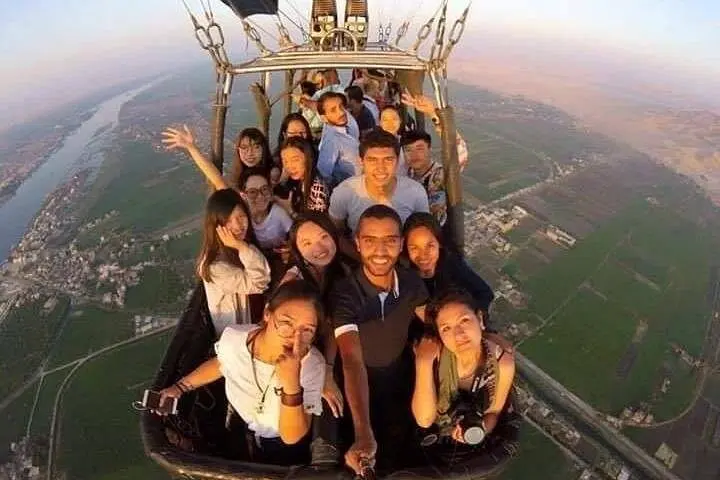
Expect a mix of paced touring and restful passages: a 3-night five-star cruise offers deckside sunsets and lock transits; an overnight sleeper train bridges the north–south distance; a dawn hot-air balloon turns Karnak and the Valley of the Kings into stitched shadows beneath you. Cultural notes: modest dress in religious sites, bargain gently in bazaars, and accept that negotiated tipping is part of service culture.
Practical guidance: carry a reusable water bottle and sunscreen, plan early starts to avoid intense midday heat, and keep copies of passports and flight tickets. Transfers and many admissions are included, but bring small local currency for markets and tips. With basic fitness for walking and stairs, this route delivers history, river scenery, and a roster of temples that reward patience and attention.
Most visitors must obtain a visa—check your nationality’s requirements; some get e-visas in advance, others can use visa-on-arrival at Cairo.
Abu Simbel is included; expect an early departure with a 3–4 hour transfer each way if by road or a short charter flight depending on the itinerary.
Balloon operators follow regulated schedules—flights run at dawn and last about 30–45 minutes; wear layers and follow crew instructions for boarding.
Egyptian pounds (EGP) are standard; tipping (baksheesh) is customary across services—carry small notes for guides, drivers and porters.
Mody Egypt Tours operates guided outdoor trips and adventures with an emphasis on safety, stewardship, and memorable experiences.
You step out of Cairo International Airport and the city hits you—heat against your skin, a river that insists on flowing through everything, and a skyline punctuated by minarets and concrete. The first morning the Giza Plateau opens up like a lived-in map: the Great Pyramid’s geometry still manages to feel purposeful, the Sphinx gazes as if cataloguing centuries of visitors.
You step out of Cairo International Airport and the city hits you—heat against your skin, a river that insists on flowing through everything, and a skyline punctuated by minarets and concrete. The first morning the Giza Plateau opens up like a lived-in map: the Great Pyramid’s geometry still manages to feel purposeful, the Sphinx gazes as if cataloguing centuries of visitors.
This itinerary threads Upper and Lower Egypt. Cairo’s layers—Pharaonic, Greco-Roman Alexandria, Islamic citadels—sit on sedimentary plains carved by the Nile’s annual pulse. Southward, the Nile becomes a moving spine; Aswan’s granite quarries and the colossal rock temples at Abu Simbel speak to imperial ambition and ingenious engineering. Luxor’s East and West banks fold funerary landscapes and temple complexes into a skyline of pylons and palm groves.
Expect a mix of paced touring and restful passages: a 3-night five-star cruise offers deckside sunsets and lock transits; an overnight sleeper train bridges the north–south distance; a dawn hot-air balloon turns Karnak and the Valley of the Kings into stitched shadows beneath you. Cultural notes: modest dress in religious sites, bargain gently in bazaars, and accept that negotiated tipping is part of service culture.
Practical guidance: carry a reusable water bottle and sunscreen, plan early starts to avoid intense midday heat, and keep copies of passports and flight tickets. Transfers and many admissions are included, but bring small local currency for markets and tips. With basic fitness for walking and stairs, this route delivers history, river scenery, and a roster of temples that reward patience and attention.