THE ADVENTURE COLLECTIVE® · Independent discovery and booking for outdoor travel

A compact, well-paced nine-day loop from Cairo down the Nile: Giza’s pyramids, a four-night Nile cruise, Luxor’s temples, and the relocated temples of Abu Simbel. This tour pairs big-name sites with pragmatic travel details to help you plan.
A compact, well-paced nine-day loop from Cairo down the Nile: Giza’s pyramids, a four-night Nile cruise, Luxor’s temples, and the relocated temples of Abu Simbel. This tour pairs big-name sites with pragmatic travel details to help you plan.
Dawn over the Nile feels deliberate: light slides along the river, the cruise’s silhouette drifting past low palms while minarets and sandstone profiles awaken cities that have been lived in for millennia.
Verified experiences and guided adventures in the surrounding area.
Operated by Egypt Travel Line · Cairo, Cairo Governorate
Dawn over the Nile feels deliberate: light slides along the river, the cruise’s silhouette drifting past low palms while minarets and sandstone profiles awaken cities that have been lived in for millennia.
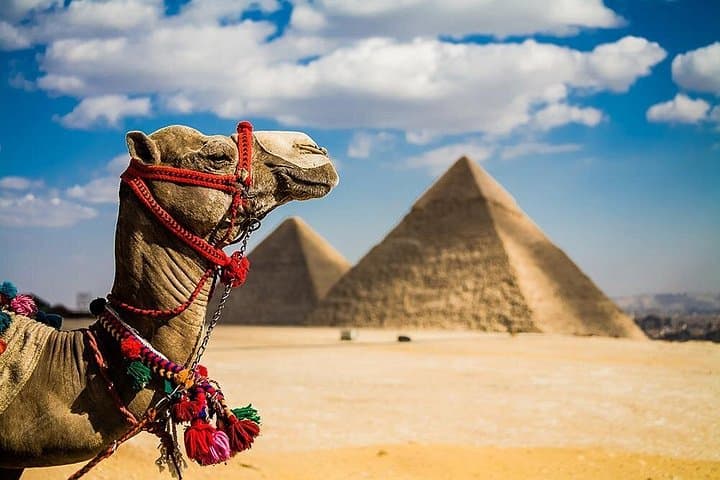
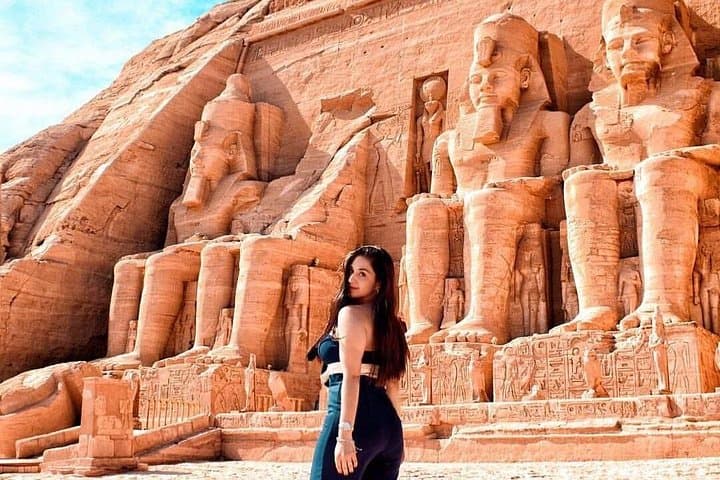
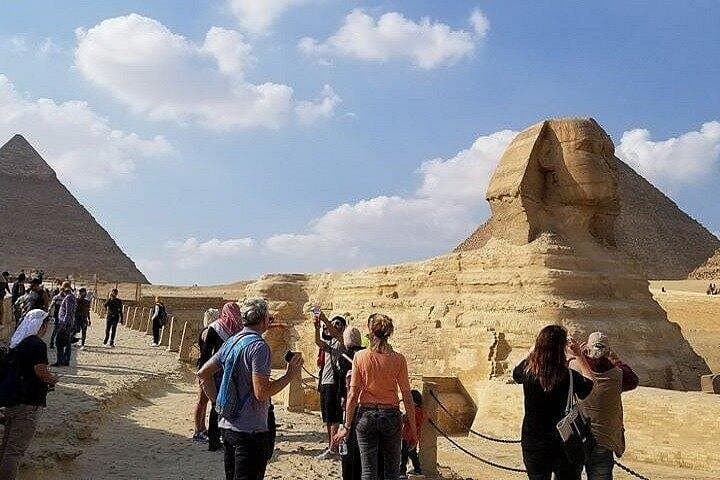
This nine-day itinerary begins in Cairo with the monumental geometry of Giza’s pyramids and the watchful Sphinx, then moves south by air and by a four-night deluxe Nile cruise to Luxor and Aswan. Archaeology anchors the route — Saqqara’s Step Pyramid (built by Imhotep), Karnak’s avenue of ram-headed sphinxes, the tomb-lined ridges of the Valley of the Kings, and the colossal rock-cut faces at Abu Simbel — each site revealing construction techniques, religious shifts and the Nile’s central role in Egyptian civilization.
Geology and hydrology shape the experience: the fertile Nile floodplain, the limestone quarries that supplied temples, and Lake Nasser’s reservoir that now keeps Abu Simbel above water. Cultural notes surface in Cairo’s Coptic quarter and Khan el-Khalili bazaar where centuries of trade and faith overlap.
Practical guidance: expect a steady rhythm of guided walks, short drives, and easy shipboard mornings. Temperatures are high from late spring through summer, so plan early starts and rest midday. Comfortable walking shoes, sun protection and a lightweight daypack make long temple circuits easier. Allow time for customs, airport transfers and modest dress in religious sites. With an experienced Egyptologist guide and a mix of hotels plus a five-star cruise, the trip balances intensive sightseeing with moments built for slow watching — a felucca glide, a desert horizon, the Nile insisting you keep moving forward.
Most nationalities require a visa; many travelers can obtain an e-visa in advance or a visa on arrival—check current Egyptian government requirements before travel.
The program is moderate: most days include guided walking (temples, museums) with vehicle transfers and easy cruise mobility; no technical skills required.
The itinerary lists major stops but site-entry fees and optional inside tomb access (e.g., certain tombs at the Valley of the Kings) may be extra—confirm specifics with the operator before booking.
Carry sun protection, stay hydrated, follow guide instructions near cliffs and on boat decks, and ensure routine vaccinations and travel insurance are up to date.
Egypt Travel Line operates guided outdoor trips and adventures with an emphasis on safety, stewardship, and memorable experiences.

Dawn over the Nile feels deliberate: light slides along the river, the cruise’s silhouette drifting past low palms while minarets and sandstone profiles awaken cities that have been lived in for millennia.
Dawn over the Nile feels deliberate: light slides along the river, the cruise’s silhouette drifting past low palms while minarets and sandstone profiles awaken cities that have been lived in for millennia.
This nine-day itinerary begins in Cairo with the monumental geometry of Giza’s pyramids and the watchful Sphinx, then moves south by air and by a four-night deluxe Nile cruise to Luxor and Aswan. Archaeology anchors the route — Saqqara’s Step Pyramid (built by Imhotep), Karnak’s avenue of ram-headed sphinxes, the tomb-lined ridges of the Valley of the Kings, and the colossal rock-cut faces at Abu Simbel — each site revealing construction techniques, religious shifts and the Nile’s central role in Egyptian civilization.
Geology and hydrology shape the experience: the fertile Nile floodplain, the limestone quarries that supplied temples, and Lake Nasser’s reservoir that now keeps Abu Simbel above water. Cultural notes surface in Cairo’s Coptic quarter and Khan el-Khalili bazaar where centuries of trade and faith overlap.
Practical guidance: expect a steady rhythm of guided walks, short drives, and easy shipboard mornings. Temperatures are high from late spring through summer, so plan early starts and rest midday. Comfortable walking shoes, sun protection and a lightweight daypack make long temple circuits easier. Allow time for customs, airport transfers and modest dress in religious sites. With an experienced Egyptologist guide and a mix of hotels plus a five-star cruise, the trip balances intensive sightseeing with moments built for slow watching — a felucca glide, a desert horizon, the Nile insisting you keep moving forward.